1. Definition
What is an Ultrasonic Cleaner (CSSD)?
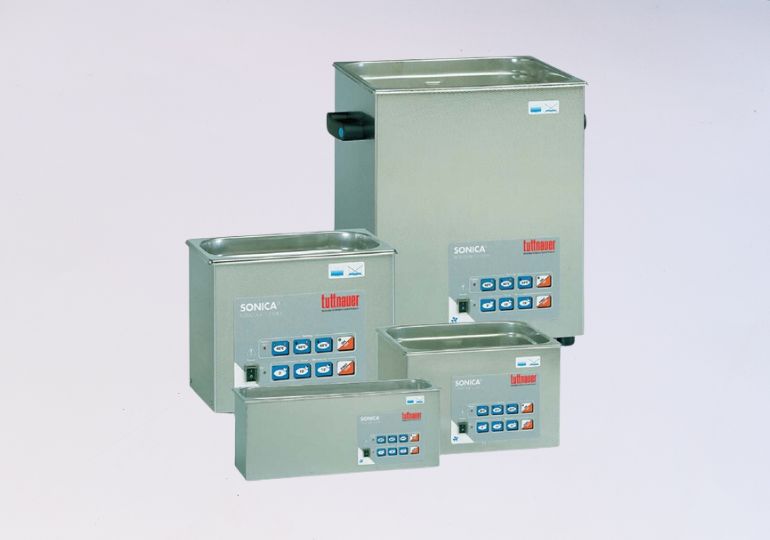
An Ultrasonic Cleaner in a Central Sterile Supply Department (CSSD) is a precision cleaning device that uses high-frequency sound waves to remove contaminants—such as blood, tissue, bone, protein, salts, and grease—from surgical instruments, medical devices, and laboratory equipment. It is a critical pre-sterilization step, ensuring that instruments are meticulously clean before undergoing processes like autoclaving. Unlike manual scrubbing, it reaches intricate geometries, hinges, serrations, and lumens that are nearly impossible to clean by hand.
How it Works
The principle of operation is cavitation. Here’s a simple breakdown:
- Transduction: An electrical generator powers a transducer (typically piezoelectric) attached to the cleaner’s tank.
- Vibration: The transducer converts electrical energy into high-frequency mechanical vibrations (typically 25-45 kHz).
- Wave Propagation: These vibrations travel through the cleaning solution (water and detergent) as intense, inaudible sound waves.
- Cavitation: The sound waves create microscopic, high-pressure bubbles (compression) and low-pressure voids (rarefaction) in the liquid. The bubbles rapidly grow and collapse violently (implode) near the surfaces of the submerged instruments.
- Scrubbing Action: The energy released during this implosion creates intense, localized micro-scrubbing jets that dislodge, emulsify, and lift contaminants from every surface, no matter how small or complex.
Key Components
- Tank: The stainless steel chamber that holds the cleaning solution and instruments. It is designed to resonate at specific frequencies for optimal cavitation.
- Transducers: The core acoustic elements (usually piezoelectric ceramics) bonded to the tank’s underside. They generate the ultrasonic vibrations.
- Ultrasonic Generator/Controller: The electronic unit that supplies high-frequency electrical power to the transducers. It allows control over frequency, power, and sometimes includes timers.
- Heater & Thermostat: Heats the cleaning solution (typically to 40-60°C), which enhances detergent effectiveness and cleaning efficiency.
- Drain Valve: Facilitates the easy emptying of the used cleaning solution.
- Lid/Insulation Cover: Reduces noise, minimizes solution evaporation, and contains aerosols.
- Basket: A perforated or mesh holder that keeps instruments submerged and separated, ensuring even cavitation exposure and preventing damage.
2. Uses
Clinical Applications
Ultrasonic cleaners are indispensable for cleaning:
- Complex Surgical Instruments: Orthopedic rasps, bone saws, cannulated drills, retractors, and forceps with box locks.
- Microsurgical Instruments: Delicate ophthalmic and neuro-surgical tools.
- Lumened Instruments: Suction tips, laparoscopic trocars, and biopsy needles.
- Anesthesia & Respiratory Equipment: Laryngoscope blades, reusable airway connectors.
- Dental Instruments: Handpieces, burs, scalers, and forceps.
- Laboratory Glassware & Equipment: Pipettes, slides, and other complex lab items.
Who Uses It
Primarily operated by CSSD Technicians and Sterile Processing Department (SPD) Professionals. Training is also provided to operating theatre nurses, dental assistants, and biomedical laboratory technicians who may handle specialized cleaning.
Departments/Settings
- Central Sterile Supply Department (CSSD/Sterile Processing Unit): The primary location.
- Operating Theatres: For immediate point-of-use cleaning before sending to CSSD.
- Dental Clinics & Hospitals.
- Endoscopy & Bronchoscopy Units.
- Biomedical & Research Laboratories.
3. Technical Specs
Typical Specifications
- Frequency: 25 kHz (for heavier soils) to 45 kHz (for delicate, precision cleaning). Some advanced models offer multi-frequency or sweep-frequency modes.
- Tank Capacity: Ranges from 2 liters (benchtop) to over 100 liters (industrial CSSD).
- Power Output: 100W to over 2000W, influencing cavitation intensity.
- Heating Power: 500W to 2000W.
- Timer Range: Typically 1 to 60 minutes.
- Temperature Range: Ambient to 80°C, with thermostat control.
Variants & Sizes
- Benchtop/Tabletop Units: Small (2-10L), for clinics, dental offices, or small labs.
- Freestanding/Floor Models: Medium to large capacity (15-50L), standard for hospital CSSDs.
- Industrial/High-Volume Systems: >50L, often with automated wash-rinse-dry cycles and integrated water treatment.
- Multi-Tank Systems: Separate tanks for wash, rinse, and final rinse with purified water.
Materials & Features
- Tank: 304 or 316L grade stainless steel, with smooth, rounded corners for easy cleaning.
- Special Features:
- Degas Function: Removes dissolved air from fresh solution to maximize cavitation efficiency.
- Sweep Frequency: Varies the frequency slightly to prevent standing wave patterns and create even cavitation.
- Digital Controls & Memory: For storing validated cleaning cycles.
- Data Logging: For traceability and quality assurance.
- Automated Lid, Solution Management, and Drying.
Models (Notable Examples)
- Elma: Transsonic Series (Germany)
- Tuttnauer: Ultrasonic Cleaner UC-Series (Israel/USA)
- Getinge: 9000 Series Washer-Disinfectors (with ultrasonic pre-phase) (Sweden)
- Miele: Professional G 7000 UCS (Germany)
- Sklar: Ultra-Clean Series (USA)
- L&R: Quantrex Series (USA)
4. Benefits & Risks
Advantages
- Superior Cleaning: Unmatched ability to clean complex, hinged, and lumened instruments.
- Efficiency & Labor Saving: Reduces manual scrubbing time and physical strain on staff.
- Consistency: Provides a repeatable, standardized cleaning process.
- Safety: Minimizes sharps injuries and exposure to contaminants associated with manual cleaning.
- Extends Instrument Life: Gentle cavitation is less abrasive than manual wire-brushing.
- Essential for Compliance: Meets stringent standards for pre-sterilization cleaning (e.g., AAMI ST79, HTM 01-01).
Limitations
- Pre-cleaning Required: Gross soil must be wiped off; ultrasonic cleaners are for decontamination, not gross debris removal.
- Cannot Disinfect or Sterilize: It is a cleaning device only. Instruments must be sterilized afterwards.
- Material Incompatibility: Can damage certain materials (e.g., wood, certain plastics, anodized aluminum, lead crystal).
- Solution Sensitivity: Effectiveness depends heavily on using the correct enzymatic or neutral-pH detergent.
Safety Concerns & Warnings
- Aerosolization: The process generates aerosols containing pathogens. Always operate with the lid closed in a well-ventilated area.
- Thermal Injury: The solution and tank become hot. Use insulated gloves.
- Chemical Exposure: Use manufacturer-recommended detergents and follow SDS (Safety Data Sheet) protocols.
- Hearing Damage: Prolonged exposure to high-frequency noise. Ensure the unit is well-insulated.
- Instrument Damage: Placing instruments directly on the tank floor or tangling them can cause damage.
Contraindications
- Do not use for catheters or flexible endoscopes with long, narrow channels—cavitation is ineffective in lumens below ~1mm and can damage the scope.
- Do not use for cemented or glued items, as cavitation can break the bond.
- Avoid cleaning soft, porous materials like rubber or certain composites.
5. Regulation
FDA Class
Class I or Class II Medical Device (510(k) exempt or requiring pre-market notification, depending on specific claims and features). Regulated as a “Cleaning Device for Reusable Medical Instruments.”
EU MDR Class
Typically Class I (Rule 14 for devices for cleaning, disinfection, or sterilization). Self-declaration under the EU MDR with a CE Mark is required.
CDSCO Category
Classified under Class B medical devices in India, as per the Medical Device Rules, 2017.
PMDA Notes
In Japan, they are regulated as Class I Medical Devices under the Pharmaceuticals and Medical Devices Act (PMD Act). Registration with the PMDA is required.
ISO/IEC Standards
- ISO 13485: Quality Management Systems for medical device manufacturers.
- ISO 17664: Information to be provided by the manufacturer for the processing of resterilizable medical devices.
- IEC 60601-1: General safety requirements for medical electrical equipment.
- AAMI ST79: (US Standard) Comprehensive guide to steam sterilization and sterility assurance, with detailed sections on cleaning (including ultrasonic).
6. Maintenance
Cleaning & Sterilization
- Daily/Task-End: Drain the tank, wipe interior with a soft cloth and mild detergent. Rinse thoroughly.
- Weekly: Perform a more thorough cleaning to remove any residue or scale. Use a descaling agent if water is hard.
- Disinfection: Wipe exterior surfaces with a hospital-grade disinfectant. The interior tank is not sterilized.
Reprocessing
The device itself is not reprocessed like an instrument. It is a piece of equipment that must be kept clean to prevent cross-contamination. Always change the cleaning solution after each cycle or at least daily.
Calibration
- Cavitation Performance Check: Should be performed periodically (e.g., quarterly) using an aluminum foil test. A standard-sized foil sheet is suspended in the tank for a short cycle. An even, pebble-dented pattern indicates uniform cavitation; large undamaged areas indicate “dead zones.”
- Temperature & Timer Verification: Annual verification by biomedical engineering is recommended.
Storage
- Store with the tank empty and dry to prevent microbial growth or scaling.
- Keep the lid slightly ajar to allow air circulation.
- Store in a clean, dry environment.
7. Procurement Guide
How to Select the Device
- Assess Volume: Determine the average instrument load per day to choose appropriate tank capacity.
- Analyze Instrument Types: Delicate microsurgical tools may require a higher frequency (e.g., 45 kHz) versus general orthopedic sets (25-35 kHz).
- Evaluate Space: Measure the allocated space in the CSSD decontamination zone.
- Workflow Integration: Consider if a simple cleaner suffices or if an integrated ultrasonic-rinse-dryer system is needed.
Quality Factors
- Uniform Cavitation: Look for features like sweep frequency and a proven, even cavitation pattern.
- Build Quality: Robust 304/316L stainless steel construction, seamless welds.
- Ease of Use: Intuitive controls, easy-to-clean design, accessible drain.
- Service & Support: Availability of local technical support and spare parts.
Certifications
- CE Mark (for EU market)
- FDA Listing/Registration (for USA)
- ISO 13485 certification of the manufacturer.
- Local regulatory approvals (e.g., CDSCO, PMDA, TGA).
Compatibility
- Detergent Compatibility: Ensure the unit is compatible with your CSSD’s chosen enzymatic detergents.
- Racking Systems: Check if baskets are compatible with your existing instrument trays or transport systems.
- Water Quality: For rinse stations or final rinse tanks, consider compatibility with your water purification system (RO/DI).
Typical Pricing Range
- Small Benchtop (2-10L): $500 – $2,500
- Standard CSSD Freestanding (15-30L): $3,000 – $8,000
- Large, Automated Systems (with rinse/dry): $10,000 – $30,000+
8. Top 10 Manufacturers (Worldwide)
- Getinge (Sweden): Global leader in infection control; offers integrated washer-disinfectors with ultrasonic phases.
- Miele Professional (Germany): Renowned for high-quality, durable washer-disinfectors and standalone ultrasonic cleaners.
- Elma (Germany): A specialist in ultrasonic technology for medical, dental, and industrial applications.
- Tuttnauer (Israel/USA): Major player in sterilization and infection control, offering a range of ultrasonic cleaners.
- STERIS (USA): Provides comprehensive surgical and dental instrument care solutions, including ultrasonic cleaners.
- Sklar (USA): Long-established manufacturer of surgical instruments and instrument care equipment.
- L&R Manufacturing (USA): Specializes in ultrasonic cleaning and sterilization solutions for various industries, including healthcare.
- Crest Ultrasonics (USA): Offers a wide range of industrial and precision cleaning systems, including medical-grade units.
- Sonic Solutions (USA): Focuses on ultrasonic cleaning equipment for the dental and medical fields.
- Yuyama (Japan): Leading manufacturer of sterilization and pharmacy automation equipment in Asia.
9. Top 10 Exporting Countries (Latest Year)
(Based on HS Code 850980 – Electro-mechanical domestic appliances, with self-contained electric motor, other)
- China: The dominant global exporter, offering a vast range from economical to high-end models.
- Germany: Exports high-precision, technologically advanced units, commanding a premium price.
- United States: Major exporter of high-quality medical and dental ultrasonic cleaners.
- Japan: Known for reliable, compact, and innovative designs, strong in the Asian market.
- Italy: Significant European manufacturer and exporter, particularly for dental and laboratory markets.
- Switzerland: Exports high-end, specialized units for critical applications.
- South Korea: Growing exporter of cost-effective and technologically sound devices.
- United Kingdom: Exports specialized units meeting stringent NHS standards (HTM 01-01).
- Israel: Home to Tuttnauer, a key exporter of infection control technology.
- France: Exports integrated cleaning-disinfection systems for hospital settings.
10. Market Trends
Current Global Trends
- Integration & Automation: Ultrasonic cleaning is increasingly integrated as a pre-wash phase in automated washer-disinfectors.
- Focus on Traceability: Demand for units with data logging capabilities to track cycle parameters for audit trails.
- Sustainability: Development of energy-efficient models and systems that reduce water and detergent consumption.
New Technologies
- Multi-Frequency & Adaptive Cavitation: Units that can automatically adjust frequency based on the load for optimal cleaning.
- Advanced Filtration: On-board filtration systems to extend detergent life and maintain solution clarity.
- IoT Connectivity: Remote monitoring of cycle completion, solution status, and maintenance alerts.
Demand Drivers
- Rising Surgical Volumes: Especially in orthopedics, ophthalmology, and dentistry.
- Stringent Infection Control Protocols: Heightened focus on Prion disease prevention and combating HAIs (Hospital-Acquired Infections).
- Growth in Ambulatory Surgery Centers (ASCs): These facilities require efficient, compact decontamination setups.
Future Insights
The ultrasonic cleaner will remain a cornerstone of CSSD decontamination. Its evolution will focus on smarter, more connected, and more sustainable designs, becoming a seamless part of the digital instrument management ecosystem, providing actionable data for quality assurance and operational efficiency.
11. Training
Required Competency
CSSD staff must be trained on:
- Device operation (loading, programming, unloading).
- Proper preparation of instruments (pre-rinsing, disassembly).
- Correct selection, mixing, and changing of cleaning solutions.
- Understanding cycle parameters (time, temperature).
- Basic troubleshooting and maintenance.
Common User Errors
- Overloading the Basket: Blocks cavitation, leading to poor cleaning.
- Using Plain Water or Wrong Detergent: Drastically reduces efficacy.
- Not Degassing Fresh Solution: Reduces cavitation power for the first few minutes.
- Ignoring the Lid: Increases aerosol hazards and evaporative heat loss.
- Inadequate Rinsing: Leaving detergent residue on instruments, which can interfere with sterilization.
Best-Practice Tips
- Follow IFU: Always adhere to the Instrument Manufacturer’s IFU and the Ultrasonic Cleaner Manufacturer’s IFU.
- Keep it Submerged: Use a basket and ensure all items are fully submerged.
- Change Solution Regularly: Cloudy or cold solution is ineffective. Change at least daily or per cycle.
- Perform the Foil Test: Regularly to ensure the unit is functioning optimally.
- Rinse Immediately: After the ultrasonic cycle, rinse instruments thoroughly with purified water to remove detergent and suspended contaminants.
12. FAQs
1. Can an ultrasonic cleaner sterilize instruments?
No. It only cleans (removes contaminants). Sterilization requires a subsequent process like autoclaving (steam), chemical sterilant, or dry heat.
2. How often should I change the cleaning solution?
After every cycle for optimal results, or at a minimum, at the end of each day. Never “top up” old solution.
3. Can I put different metal instruments in together?
Yes, but avoid mixing dissimilar metals (e.g., aluminum with steel) for prolonged cycles, as it can cause galvanic corrosion.
4. Why is my ultrasonic cleaner noisy all of a sudden?
It could be loose instruments vibrating against the basket or tank, a failing transducer, or a problem with the generator. Check for loose items first, then contact service.
5. How long should a typical cleaning cycle last?
Typically 3 to 10 minutes, depending on soil level and instrument complexity. Follow the instrument IFU. Over-sonication can damage delicate items.
6. Is it safe to clean plastic items?
Only if the plastic is specifically rated as compatible with ultrasonics (e.g., PTFE, Polypropylene). Many plastics can craze or melt.
7. What is degassing, and why is it important?
Degassing removes dissolved air from a fresh solution. Air bubbles dampen cavitation. Run the unit for 2-3 minutes with detergent but no load before starting the cleaning cycle.
8. Why do my instruments have water spots after drying?
This is due to minerals in the rinse water. Always use demineralized or distilled water for the final rinse.
9. Can I use any household detergent?
Absolutely not. Use only neutral-pH or enzymatic detergents specifically designed for medical ultrasonic cleaners. Others can foam excessively, damage instruments, or corrode the tank.
10. How do I know if my cleaner is working properly?
Perform the aluminum foil test monthly. Suspend a standard sheet (e.g., 10x20cm) vertically in the tank for 30-60 seconds. It should show a uniform, pebbled erosion pattern.
13. Conclusion
The ultrasonic cleaner is a non-negotiable, critical asset in the modern CSSD. Its unique ability to achieve meticulous cleaning of complex surgical instruments through the process of cavitation forms the foundational step for successful sterilization and patient safety. Selecting the right unit, adhering strictly to manufacturer instructions and infection control protocols, and committing to regular maintenance and staff training are paramount. As technology advances, these devices are becoming smarter and more integrated, supporting the global healthcare system’s unrelenting pursuit of excellence in infection prevention and instrument care.
14. References
- Association for the Advancement of Medical Instrumentation (AAMI). ANSI/AAMI ST79:2017 – Comprehensive guide to steam sterilization and sterility assurance in health care facilities.
- U.S. Food and Drug Administration (FDA). Regulatory Controls for Medical Devices.
- European Commission. Regulation (EU) 2017/745 on medical devices (MDR).
- UK Department of Health. Health Technical Memorandum 01-01: Management and decontamination of surgical instruments.
- International Organization for Standardization (ISO). ISO 17664:2017 – Processing of health care products — Information to be provided by the manufacturer for the processing of medical devices.
- Rutala, W. A., & Weber, D. J. (2019). Guideline for Disinfection and Sterilization in Healthcare Facilities. CDC.