A Professional’s Guide to Operation, Safety, and Procurement
1. Definition
What is a Heat-Sealer (Sterile Pouch Sealer)?
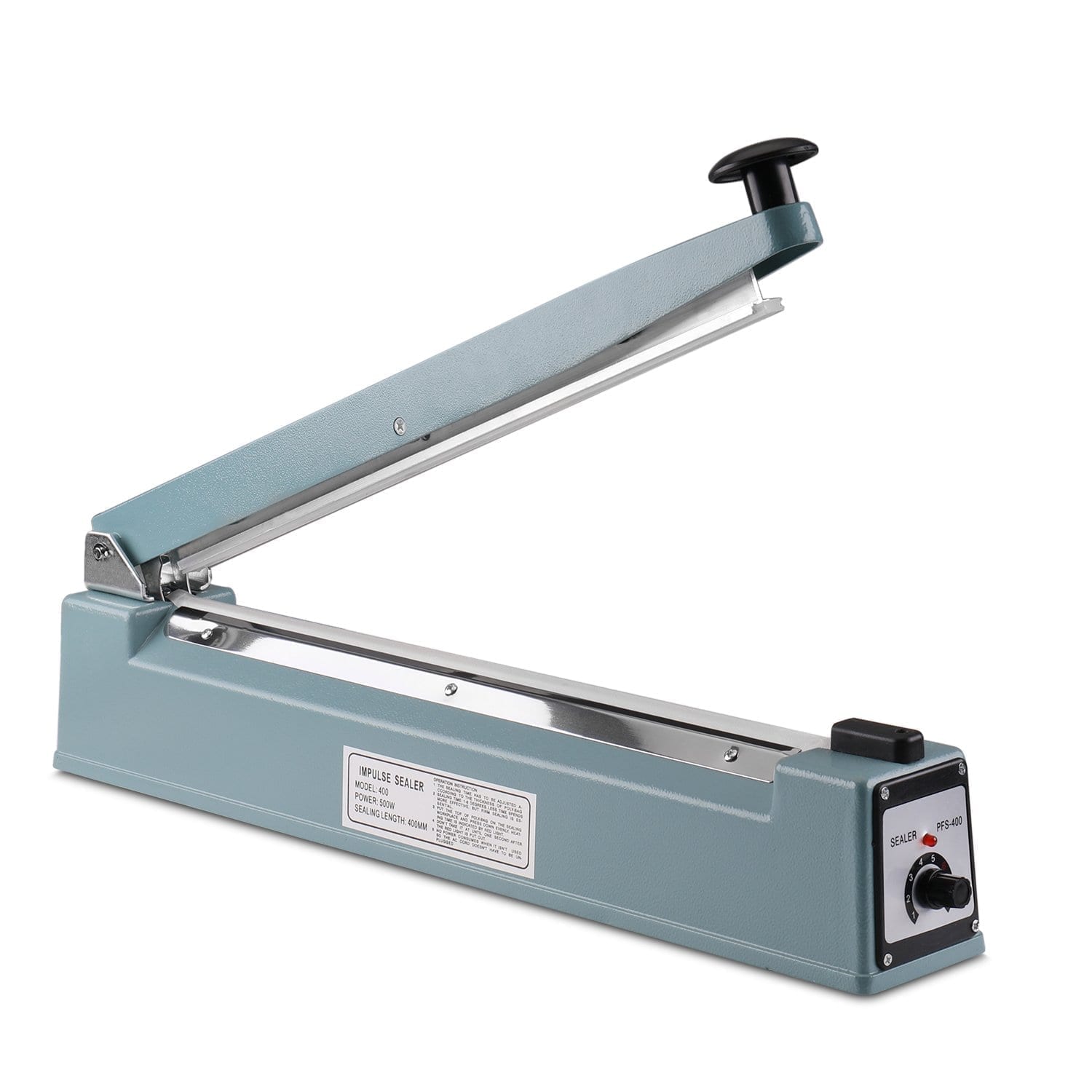
A heat-sealer, specifically a sterile pouch sealer, is an electromechanical medical device designed to create a permanent, airtight, and tamper-evident seal on specially designed sterilization pouches (or wraps). Its primary function is to ensure that surgical instruments, medical devices, and other sterile items remain contaminant-free after sterilization (typically in an autoclave) until the point of use. It is a critical device in the Sterile Processing Department (SPD) and central sterilization workflows, acting as the final guardian of sterility.
How it Works
The working principle is based on controlled heat and pressure. The device has a heated sealing jaw (or wire) and a pressure pad.
- Positioning: The open end of a sterilization pouch, containing the sterilized item, is placed between the sealing jaws.
- Activation: Upon activation (via foot pedal or button), the jaws close, applying firm, even pressure on the pouch material.
- Heating: The integrated heating element rapidly reaches a preset temperature (typically between 150°C to 200°C / 300°F to 400°F).
- Sealing: This combination of heat and pressure melts the inner thermoplastic layer of the pouch. When the heat is removed and the material cools, it fuses into a homogeneous, permanent seal.
- Completion: The jaws open, releasing a securely sealed pouch with a visible, continuous seal line.
Key Components
- Sealing Jaws/Bar: The core element that applies heat and pressure. Often made of anodized aluminum or coated metal for even heat distribution and non-stick properties.
- Heating Element: Embedded within the sealing jaw, usually a nichrome wire, responsible for generating precise heat.
- Pressure Mechanism: A spring-loaded or pneumatic system that ensures consistent, repeatable pressure on every seal.
- Control Panel/Interface: Houses temperature controls, timer settings, and indicator lights (power, ready, seal cycle complete).
- Thermostat & Timer: Critical for process control. The thermostat maintains accurate temperature, while the timer controls the duration of the heat application.
- Foot Pedal or Hand Lever: Allows for hands-free operation, maintaining aseptic technique by preventing contamination of the pouch.
- Cooling Fan: Helps dissipate heat from the electronics and jaws, improving device longevity and operator safety.
- Housing: The external casing, typically made of durable, easy-to-clean stainless steel or high-impact plastic.
2. Uses
Clinical Applications
- Post-Sterilization Packaging: The primary use is sealing items after steam sterilization (autoclaving), ethylene oxide (EtO), or hydrogen peroxide sterilization.
- Creating Sterile Barriers: The sealed pouch provides a physical barrier against dust, moisture, and microbial ingress, maintaining the sterility of the contents for a specified shelf life.
- Tamper-Evidence: A properly formed seal is visibly distinct. Any attempt to open the pouch compromises the seal, providing clear evidence of possible contamination.
- Organization & Identification: Pouches can be labeled with contents, expiry date, and lot number prior to sealing, aiding in inventory management and traceability.
Who Uses It
- Sterile Processing Technicians (SPD Techs)
- Central Sterile Supply Department (CSSD) Staff
- Operating Room (OR) Nurses and Technicians (in some setups)
- Dental Assistants (in dental clinics with in-office sterilization)
- Laboratory Technicians (for sealing sterile lab supplies)
Departments/Settings
- Hospital Central Sterile Supply Departments (CSSD)
- Operating Room (OR) Sterile Core
- Ambulatory Surgery Centers (ASCs)
- Dental Clinics
- Veterinary Hospitals and Clinics
- Pharmaceutical and Medical Device Manufacturing
- Research Laboratories
3. Technical Specs
Typical Specifications
- Seal Length: Ranges from 250mm (10 inches) to 500mm (20 inches) for standard models. Larger, conveyor-based models exist for high-volume settings.
- Seal Width: Typically 3mm to 6mm.
- Temperature Range: Adjustable, commonly 150°C – 200°C (300°F – 400°F).
- Seal Time: Adjustable timer, usually 1 to 5 seconds.
- Power Requirements: 110V/220V, 50/60Hz.
- Dimensions: Varies, but a benchtop unit is typically ~30cm (L) x 15cm (W) x 20cm (H).
- Weight: 3 kg to 8 kg for benchtop models.
Variants & Sizes
- Benchtop/Tabletop Sealers: Most common, for low to medium volume.
- Foot-Operated vs. Hand-Operated: Foot-operated is standard in SPDs for aseptic practice.
- Impulse Sealers: Heat the seal wire only during the cycle, energy-efficient.
- Constant Heat Sealers: Maintain the jaw at a constant temperature, faster for very high volume.
- Conveyor Belt Sealers: Automated, for industrial-scale or very high-volume hospital use.
Materials & Features
- Housing: Stainless steel (preferred for durability and cleanability) or ABS plastic.
- Sealing Jaw: Teflon-coated or anodized aluminum for non-stick, even sealing.
- Digital Controls: Microprocessor-controlled units offer precise temperature and time settings, memory functions, and error codes.
- Safety Features: Automatic shut-off, overheat protection, cool-touch housing, ready/complete indicators.
- Accessories: Stands for positioning, pouch cutters, date stamp attachments.
Notable Models (Examples from Major Brands)
- 3M™ Steri-Vac™ Sealers (Often integrated with their pouch systems)
- Getinge HS 6600 Heat Sealer
- STERIS HS 8000 Heat Sealer
- MATACHANA Termiseal Series
- BMM Weston L-Sealers
- Healthmark FHS-300 Foot Operated Heat Sealer
4. Benefits & Risks
Advantages
- Ensures Patient Safety: Provides a reliable, microbial barrier, preventing surgical site infections (SSIs).
- Extends Shelf Life: Allows for safe storage of sterile items for weeks or months, optimizing inventory and reducing waste from frequent re-sterilization.
- Improves Efficiency: Faster and more reliable than older methods like taping or self-sealing pouches.
- Tamper-Evident: Instantly visible integrity indicator.
- Cost-Effective: Reduces the need for expensive, pre-sterilized single-use items.
Limitations
- Pouch-Dependent: Requires compatible, heat-sealable sterilization pouches. Not for use with other packaging materials like rigid containers (unless specified by the container manufacturer).
- Single Seal Location: Typically only seals the open end; integrity of the pre-formed pouch sides is assumed.
- Maintenance Required: Requires regular cleaning, calibration, and preventive maintenance.
- Skill Required: Operator training is essential to avoid weak seals, burns, or equipment damage.
Safety Concerns & Warnings
- Burn Hazard: The sealing jaw remains extremely hot during operation. Never touch the jaw.
- Electrical Safety: Must be used in a dry environment. Plug into a properly grounded outlet.
- Fumes: Sealing contaminated or soiled pouches can release harmful fumes. Only seal clean, dry pouches.
- Pinch Points: Be mindful of fingers when closing hand-lever models.
- Fire Risk: Do not leave the sealer unattended while powered on. Keep away from flammable materials.
Contraindications
- Do not use to seal pouches that are wet, soiled, or torn.
- Do not use with packaging materials not explicitly designed and validated for heat sealing (e.g., standard plastic bags, foil).
- Do not operate if the seal bar is damaged, chipped, or has built-up residue.
- Do not use in the presence of flammable anesthetics or in oxygen-enriched environments without proper safety ratings.
5. Regulation
FDA Class
Typically classified as a Class I medical device (general controls) in the United States, as it is a simple, low-risk device used for packaging. However, specific claims or integrated technologies can affect classification.
EU MDR Class
Under European Union Medical Device Regulation (2017/745), sterile pouch sealers are generally classified as Class I devices. As they are used for packaging sterile items, they fall under rule 1, but are typically non-measuring, non-reusable surgical instruments.
CDSCO Category
In India, under the Medical Device Rules, 2017, they are categorized as Class A (Low Risk) devices.
PMDA Notes
In Japan, regulated by the Pharmaceuticals and Medical Devices Agency (PMDA), they are considered Class I medical devices.
ISO/IEC Standards
- ISO 11607-2: Packaging for terminally sterilized medical devices – Part 2: Validation requirements for forming, sealing and assembly processes. This is the most critical standard. It mandates validation of the sealing process.
- ISO 17665: Sterilization of health care products – Moist Heat.
- IEC 60601-1: Medical electrical equipment – Part 1: General requirements for basic safety and essential performance.
- ISO 13485: Quality management systems for medical device manufacturing.
6. Maintenance
Cleaning & Sterilization
- Daily/After Use: Unplug the device. Wipe down the external housing, control panel, and areas around the sealing jaw with a soft, lint-free cloth dampened with a mild detergent or hospital-grade disinfectant. Do not immerse in liquid.
- Sealing Jaw Cleaning: Remove pouch residue (polymer buildup) using a recommended brass brush or specific non-abrasive cleaner when the jaw is cool. Never use metal scrapers.
- Sterilization: The device itself is not sterilized. It is a non-critical surface device; cleaning and disinfection are sufficient.
Reprocessing
Reprocessing refers to the preparation of the device between sealing cycles. Ensure the jaw is clean and cool enough for the next pouch material. Follow manufacturer’s “cool-down” or “dwell time” recommendations between seals for optimal results.
Calibration
- Frequency: Per manufacturer guidelines, typically every 6-12 months, or after major repairs.
- Process: Involves verifying and adjusting the temperature accuracy of the sealing jaw and the timer using calibrated traceable equipment (e.g., a thermocouple reader). This is often performed by a qualified biomedical technician or the manufacturer’s service representative.
Storage
- Store in a clean, dry, temperature-stable environment.
- Protect from dust, moisture, and physical impact.
- Ensure the sealing jaw is clean and cool before storage.
- Coil the power cord neatly; avoid placing strain on the cord entry point.
7. Procurement Guide
How to Select the Device
- Volume Assessment: Estimate daily/weekly pouch volume. Benchtop for low/medium, conveyor for high volume.
- Pouch Compatibility: Ensure the sealer is compatible with the brand and type of sterilization pouches you use (e.g., paper/plastic, Tyvek®/plastic).
- Ease of Use: Prioritize intuitive controls, clear indicators, and ergonomic design (foot pedal vs. lever).
- Durability: Stainless steel housing is preferred in busy SPDs. Check build quality.
- Service & Support: Evaluate the manufacturer’s or distributor’s reputation for technical support and spare parts availability.
Quality Factors
- Seal Consistency: The device should produce a uniform, smooth, and strong seal every time.
- Temperature Stability: Minimal temperature fluctuation during operation.
- Build Quality: Robust construction, secure hinges, and quality components.
- Safety Certifications: Look for CE, UL, or other regional electrical safety marks.
Certifications
- FDA 510(k) Clearance (if applicable for the specific model)
- CE Marking (indicating compliance with EU MDR)
- ISO 13485 Certification of the manufacturer
- Electrical Safety Marks (e.g., UL Listing, CSA, TUV)
Compatibility
Confirm compatibility with your:
- Sterilization Pouches (most critical)
- Sterilizers (indirectly, as the sealed pouch must perform in your specific sterilizer cycle)
- Hospital Information/Inventory Systems (if using advanced models with data logging)
Typical Pricing Range
- Basic Benchtop Models: $500 – $1,500 USD
- Advanced Digital Benchtop Models: $1,500 – $3,000 USD
- High-Volume/Conveyor Models: $3,000 – $10,000+ USD
(Prices are estimates and vary by region, features, and manufacturer.)
8. Top 10 Manufacturers (Worldwide)
- 3M (United States) – A global leader in infection prevention. Known for their comprehensive sterile packaging systems, including compatible, high-quality heat sealers like the 3M™ Steri-Vac™ series.
- STERIS plc (United States) – Provides a vast portfolio of infection prevention and surgical products. Their Getinge and STERIS brands offer robust, reliable heat sealers for all facility sizes.
- Getinge AB (Sweden) – Now part of STERIS, a historic and trusted name in sterilization and surgical solutions, offering durable and precise heat sealing equipment.
- MATACHANA Group (Spain) – A specialist in sterilization and disinfection, known for innovative and user-friendly devices like the Termiseal series of heat sealers.
- Healthmark Industries (United States) – A leading supplier to the SPD/CSSD market, offering a wide range of quality heat sealers, from basic to digital models, along with testing and monitoring tools.
- B. Braun Melsungen AG (Germany) – A major player in healthcare, offering Aesculap brand sterilization packaging and compatible sealing equipment.
- Cardinal Health (United States) – Provides a range of medical products, including reliable heat sealers under its medical segment for various healthcare settings.
- Medline Industries, Inc. (United States) – A large manufacturer and distributor of medical supplies, offering cost-effective and dependable heat sealer options.
- Cantel Medical (United States) – Through its brands like HuFriedyGroup (now part of STERIS) and others, offers solutions for instrument processing, including heat sealers.
- BMM Weston (United Kingdom) – A specialist in packaging machinery, known for high-performance L-sealers and band sealers suitable for large-scale medical device manufacturers and central sterilization hubs.
9. Top 10 Exporting Countries (Latest Year)
(Based on analysis of HS code 8422.30 – machinery for filling, closing, sealing, etc., bottles, cans, boxes, bags, including medical pouch sealers)
- China – The dominant global exporter, manufacturing a vast range of sealers from economical to high-end models for worldwide distribution.
- Germany – A leading exporter of high-precision, engineered medical and packaging equipment, known for reliability and advanced technology.
- United States – A major exporter of branded, FDA-compliant medical sealers, particularly to markets with stringent regulatory requirements.
- Italy – Significant exporter of well-designed packaging machinery, including specialized medical sealing devices.
- Japan – Exports high-quality, technologically advanced sealers with a focus on precision and durability, particularly within Asia.
- Switzerland – Known for exporting highly precise and reliable machinery, including niche medical device packaging equipment.
- United Kingdom – Exports specialized packaging machinery, including sealers from companies like BMM Weston.
- France – Exports a range of industrial and medical packaging equipment to European and global markets.
- Netherlands – A key trading hub within Europe, re-exporting and distributing sealing equipment from various manufacturers.
- Spain – Home to manufacturers like MATACHANA, exporting specialized sterilization equipment globally.
10. Market Trends
Current Global Trends
- Integration with Track-and-Trace: Sealers with integrated barcode or RFID label printers/readers to automate sterile asset tracking.
- Data Connectivity: Rise of “smart” sealers that log seal parameters (time, temp) for each cycle, supporting electronic batch records and process validation for compliance (ISO 11607).
- Sustainability Focus: Increased demand for sealers compatible with recyclable or biodegradable sterilization pouches.
New Technologies
- Pulsed RF (Radio Frequency) Sealing: For sealing pouches containing moisture-sensitive items, as it generates heat within the material itself, not from an external hot jaw.
- Improved Ergonomic & Safety Designs: Enhanced finger guards, better thermal insulation, and intuitive touchscreen interfaces.
- Advanced Process Control: Microprocessors with real-time temperature feedback and automatic adjustment for consistent seals.
Demand Drivers
- Rising Surgical Volumes: Particularly in ASCs and emerging economies.
- Stringent Infection Control Regulations: Driving the adoption of validated packaging processes.
- Hospital Cost-Pressure: Leading to more in-house sterilization vs. outsourcing, increasing demand for reliable equipment.
- Aging Healthcare Infrastructure: Replacement of old sealers in developed markets.
Future Insights
The heat sealer will evolve from a simple sealing tool to a connected data node within the Sterile Processing ecosystem. Expect further integration with hospital IoT platforms, predictive maintenance alerts based on usage data, and AI-assisted quality control that can visually inspect seals via integrated cameras.
11. Training
Required Competency
Operators must be trained to:
- Understand the principles of sterile barrier systems.
- Operate the specific model safely (power on/off, temperature/time setting).
- Perform routine cleaning and visual inspection.
- Recognize an acceptable vs. unacceptable seal (e.g., even, smooth, continuous, no wrinkles or burns).
- Perform simple troubleshooting (e.g., no power, seal bar not heating).
Common User Errors
- Incorrect Temperature/Time: Using settings not validated for the specific pouch material, causing weak seals or burns.
- Misaligned Pouch: Placing the pouch crooked, resulting in a partial seal.
- Overfilling the Pouch: Leaving insufficient space (≥2 inches) for the seal area, preventing proper jaw closure.
- Sealing a Wrinkled Pouch: Not smoothing the pouch opening, leading to channel leaks.
- Ignoring Residue Buildup: Operating with a dirty seal bar, which causes inconsistent seals and transfers residue to new pouches.
Best-Practice Tips
- Always Validate: Perform a process challenge device (PCD) test (e.g., using a Bowie-Dick test sheet inside a pouch) when first using a new sealer/pouch combination or after major service.
- Perform Daily Checks: Visually inspect the seal bar for cleanliness and damage. Seal an empty pouch and perform a visual/tactile check and a “peel test” at the start of each shift.
- Allow Warm-Up/Cool-Down: Let the sealer reach its set temperature before first use, and respect recommended intervals between seals.
- Label Before Sealing: Always write on the pouch before sealing to avoid puncturing the sterile barrier.
12. FAQs
1. How often should I replace the sealing jaw (Teflon tape/coating)?
Replace it when it becomes scratched, chipped, or has permanent residue that cannot be cleaned. A damaged jaw will produce poor seals. Frequency depends on use.
2. Can I use any sterilization pouch with my heat sealer?
No. You must use pouches that are validated as compatible with your specific sealer model and settings. Refer to the pouch manufacturer’s instructions for use (IFU).
3. My seal looks good but feels “weak.” What’s wrong?
Likely causes are insufficient temperature, insufficient seal time, or using the wrong pouch type. Re-check your settings against the pouch IFU and recalibrate if necessary.
4. The sealing jaw is not heating up. What should I check?
First, ensure the unit is plugged in and powered on. Check the fuse or circuit breaker. If basic checks pass, it may be a faulty heating element or thermostat—contact biomedical engineering or service.
5. Is a wrinkled seal acceptable?
No. A wrinkle in the seal area creates a potential channel for microorganisms. The pouch contents are not considered sterile. Re-process the item in a new pouch, ensuring the pouch lip is smooth and flat.
6. How do I know if my heat sealer needs calibration?
Signs include inconsistent seals (some strong, some weak) despite correct technique, or if the displayed temperature seems inaccurate. Schedule calibration per your facility’s protocol (typically every 6-12 months).
7. Can I seal pouches containing liquids?
Only if the pouch is specifically designed and validated for liquid containment (with special inner layers) and you follow the manufacturer’s precise instructions. Most standard sterilization pouches are not.
8. What is the difference between an “impulse” and “constant heat” sealer?
An impulse sealer heats the wire only during the sealing cycle, then cools. A constant heat sealer keeps the jaw at the set temperature. Impulse sealers are more energy-efficient; constant heat sealers are faster for continuous, high-volume use.
9. How long do sterile items remain sterile in a heat-sealed pouch?
There is no universal time. It depends on the pouch material, storage conditions (clean, dry, temperature-controlled), and your facility’s policy based on event-related sterility assurance. It is event-related, not time-related, but many facilities set a conservative time-based expiry (e.g., 6 months to 1 year) as policy.
10. Do I need to perform a “peel test” on every pouch?
No, this would destroy the sterile barrier. A peel test is a quality control check performed on a test pouch (empty) at the start of a shift or after changing settings. Routine pouches should only undergo visual inspection.
13. Conclusion
The heat-sealer, or sterile pouch sealer, is a deceptively simple device that plays an indispensable role in the chain of infection prevention. Far more than just a “bag closer,” it is the critical final step in creating a validated sterile barrier system, directly impacting patient safety by safeguarding the sterility of surgical instruments and medical devices. Its effective operation hinges on a triad of factors: selecting the right equipment for the facility’s needs, adhering to a rigorous regimen of maintenance and calibration, and ensuring comprehensive operator training. As technology advances, the humble heat sealer is becoming smarter and more connected, integrating into the digital workflow of modern sterile processing. By understanding its principles, applications, and proper management as outlined in this guide, healthcare facilities can ensure this vital device performs its silent, essential duty with unwavering reliability.
14. References
- Association for the Advancement of Medical Instrumentation (AAMI). ANSI/AAMI ST77:2013, Containment devices for reusable medical device sterilization.
- Association for the Advancement of Medical Instrumentation (AAMI). Comprehensive guide to steam sterilization and sterility assurance in health care facilities (ST79:2017).
- International Organization for Standardization (ISO). ISO 11607-1&2:2019, Packaging for terminally sterilized medical devices.
- U.S. Food and Drug Administration (FDA). Code of Federal Regulations Title 21, Part 880 – General Hospital and Personal Use Devices.
- European Union. Regulation (EU) 2017/745 on medical devices (MDR).
- Centers for Disease Control and Prevention (CDC). Guideline for Disinfection and Sterilization in Healthcare Facilities (2008).
- Manufacturer Instructions for Use (IFUs) from 3M, STERIS, Getinge, and Healthmark.
- World Health Organization (WHO). Decontamination and Reprocessing of Medical Devices for Health-care Facilities (2016).