A Comprehensive Manual for Healthcare and Hospitality Professionals
1. Definition
What is a Linen Hamper Trolley?
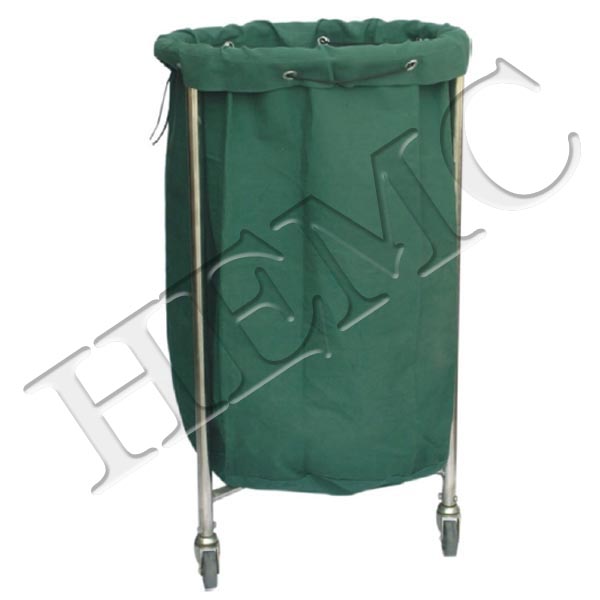
A linen hamper trolley is a mobile cart, typically constructed from metal or durable plastic, designed for the organized, sanitary, and efficient collection, transport, and temporary storage of soiled linens and textiles. Its primary function is to replace static bins or bags, facilitating workflow, containing contaminants, and supporting infection control protocols within facilities. By keeping soiled linen off floors and contained during transit, it plays a crucial, though often understated, role in maintaining hygiene standards.
How it Works
The working principle is straightforward but effective. The trolley is moved by staff to points of linen collection (patient rooms, hotel suites, surgical areas). Soiled linens are deposited into the attached hampers or bags. Once full or at scheduled intervals, the trolley is wheeled to a central laundry drop-off or soiled linen room. The hampers (often removable bags or bins) are then emptied, and the empty trolley is cleaned and returned to service. Its design prioritizes easy maneuverability, containment, and segregation of clean vs. soiled items.
Key Components
- Frame: The structural skeleton, usually made of stainless steel or powder-coated steel. It provides stability and serves as the mounting point for all other components.
- Wheels/Casters: Typically four swivel casters, often with two locking brakes. High-quality, non-marking, and quiet casters are essential for smooth movement over varied flooring.
- Hampers/Bags: The primary containment units. These can be:
- Removable Bags: Made of nylon, polyester, or vinyl, often with a waterproof liner. They are lifted out for emptying.
- Fixed Bins: Solid plastic or metal containers that are part of the trolley frame, sometimes lined with disposable bags.
- Lids: Many hampers feature flip or sliding lids to contain odors and prevent airborne lint or contaminants from escaping.
- Handles: A sturdy push/pull handle at one or both ends for ergonomic maneuvering.
- Label Holders/Color-Coding: Areas for inserting cards or inherent color-coding (e.g., red for infectious linen) to identify linen type or destination.
- Additional Features: May include side rails for holding clean linen bags, utility shelves, or touchless pedal-operated lids.
2. Uses
Clinical Applications
- Routine Ward Collection: Daily collection of soiled bed sheets, pillowcases, patient gowns, and towels from inpatient rooms.
- Isolation/Containment: Dedicated trolleys with clearly marked, often red, bags are used for linens from patients with contagious infections (e.g., C. diff, MRSA).
- Surgical and Procedural Areas: Collection of used surgical drapes, gowns, and towels from operating rooms and procedure suites.
- Emergency Departments: Handling high volumes of soiled linens from trauma bays and treatment rooms.
- Labor and Delivery: Managing linens soiled with bodily fluids.
Who Uses It
- Environmental Services/Housekeeping Staff: Primary users responsible for collection and transport.
- Nursing Staff: Often deposit soiled linens into trolleys stationed in utility rooms or hallways.
- Laundry Department Personnel: Receive and empty the trolleys at the processing facility.
Departments/Settings
- Hospitals: All inpatient units (Medical-Surgical, ICU, Pediatrics), Emergency Departments, Operating Theatres.
- Long-Term Care Facilities: Nursing homes, rehabilitation centers.
- Clinics & Outpatient Surgery Centers: Especially those with procedure rooms.
- Non-Healthcare: Hotels, spas, gyms, and any large-scale hospitality or wellness operation with substantial linen usage.
3. Technical Specs
Typical Specifications
- Dimensions: Height: 36-42 inches; Width: 20-30 inches; Depth: 18-24 inches.
- Capacity: Ranges from 4 to 12+ bushels (approx. 140 to 425+ liters). Common sizes are 6, 8, and 10 bushels.
- Weight Capacity: Designed to carry 100-300 lbs of wet or dry linen.
- Wheel Diameter: 5 to 8 inches.
Variants & Sizes
- Single vs. Double Sided: Single hamper trolleys are common; double-sided models have hampers on both sides for higher capacity or segregation.
- Bag vs. Bin Systems: Trolleys designed for soft, removable bags vs. those with solid, washable bins.
- Compact/Corner Models: Smaller trolleys for tight spaces or lower volume areas.
- High-Capacity/Central Collection: Large, heavy-duty models for main corridor collection points.
Materials & Features
- Frame Materials: Stainless Steel (304/316): Premium choice for corrosion resistance, durability, and ease of cleaning. Powder-Coated Steel: Cost-effective, available in colors for coding.
- Hamber/Bag Materials: Ripstop nylon, polyester, vinyl. Waterproof or fluid-resistant liners are critical.
- Special Features:
- Foot Pedal Lids: Hands-free operation to minimize cross-contamination.
- Seamless/Smooth Surfaces: Eliminates crevices where bacteria can hide.
- Antimicrobial Coatings: Added layer of protection on handles and surfaces.
- Quiet Casters: Rubber or polyurethane wheels for noise reduction in patient areas.
Models
- Standard Open Bag Trolley: The most common type, with a metal frame supporting a removable bag.
- Lidded Bin Trolley: Features one or more solid plastic bins with attached lids.
- Collapsible/Telescoping Trolley: Designed for easy storage when not in use.
- Ventilated Trolley: With mesh sides to allow airflow and reduce moisture/mildew.
4. Benefits & Risks
Advantages
- Infection Control: Contains soiled linens, reducing the risk of environmental contamination and contact spread.
- Operational Efficiency: Mobile design saves time and labor compared to carrying bags or using fixed locations.
- Ergonomics & Safety: Reduces strain from lifting and dragging heavy linen bags; prevents tripping hazards.
- Organization: Supports color-coding and labeling systems for proper linen segregation.
- Odor Containment: Lidded models effectively trap unpleasant smells.
Limitations
- Requires Manual Handling: Not automated; relies on staff to push/pull.
- Space: Can be bulky in tight corridors or small utility rooms.
- Maintenance: Casters and frames require regular cleaning and inspection for wear.
- Capacity: Overfilling can make trolleys unstable and difficult to maneuver.
Safety Concerns & Warnings
- Overloading: Never exceed the manufacturer’s stated weight capacity.
- Unsafe Maneuvering: Push, don’t pull, for better control. Avoid quick turns. Use brakes when stationary.
- Biohazard Exposure: Always wear appropriate PPE (gloves) when handling soiled linen.
- Caster Maintenance: Loose, damaged, or hair-clogged casters are a major safety hazard.
- Pinch Points: Be aware of fingers when closing lids or assembling components.
Contraindications
- Not for Sharps or Hazardous Waste: Under no circumstances should sharps (needles, blades) or regulated medical waste (unless designed for it) be placed in a linen hamper.
- Not for Clean Linen Mixing: A trolley designated for soiled linen must never be used to transport clean linen, even if emptied, without proper disinfection.
5. Regulation
Linen hamper trolleys are generally considered low-risk, non-patient-contacting medical devices or hospital equipment.
- FDA Class: Typically Class I (exempt from premarket notification [510(k)]). They are subject to general controls (registration, listing, GMP).
- EU MDR Class: Likely Class I under Rule 1 (non-invasive). Requires CE marking under MDR.
- CDSCO Category (India): Likely classified as Class A medical device (low risk).
- PMDA Notes (Japan): Would generally fall under general medical devices with low regulatory control.
- ISO/IEC Standards:
- ISO 13485: Quality Management Systems for medical device manufacturers.
- ISO 10535: Hoists for the transfer of disabled persons (not directly applicable but relevant for patient-handling trolley variants).
- IEC 60601 Series: For any electrically operated components (e.g., scales), which is rare.
6. Maintenance
Cleaning & Sterilization
- Daily/Wheels: Wipe down handles, lids, and external surfaces with a hospital-grade disinfectant. Clean casters of debris.
- After Contamination/Weekly: Empty trolley. Wash all surfaces thoroughly with detergent and disinfectant. Pay attention to corners and undersides.
- Hampers/Bags: Removable bags should be laundered according to fabric guidelines (often hot wash). Solid plastic bins should be washed and disinfected.
- Sterilization: Not required. Disinfection is sufficient.
Reprocessing
- Transport to cleaning area.
- Remove and process linen bag/bin.
- Pre-clean to remove visible soil.
- Apply disinfectant to all surfaces, following contact time.
- Rinse if required by disinfectant label.
- Air dry completely before reassembling or storing.
Calibration
Not applicable for standard trolleys. Trolleys with integrated scales would require periodic scale calibration.
Storage
- Store in a clean, dry area designated for soiled linen equipment.
- Ensure trolleys are clean, dry, and empty before storage.
- Do not store in damp linen rooms where mold/mildew can grow.
- Engage wheel brakes if stored on a slight incline.
7. Procurement Guide
How to Select the Device
- Assess Volume: Determine average daily soiled linen volume to choose appropriate capacity.
- Evaluate Environment: Measure doorways, elevators, and corridors to ensure the trolley can navigate smoothly.
- Infection Control Needs: Decide on required features: lidded vs. open, solid bin vs. bag, need for color-coding.
- Durability vs. Budget: Balance initial cost against expected lifespan in your facility.
Quality Factors
- Caster Quality: The most critical mechanical component. Look for sealed bearings, sturdy forks, and appropriate wheel material (e.g., polyurethane for quiet floors).
- Weld Quality: Smooth, polished welds on the frame resist corrosion and are easier to clean.
- Material Gauge: Thicker steel (e.g., 16-gauge vs. 20-gauge) indicates a more robust frame.
- Bag/Bin Fabric: High-denier, ripstop fabric with reinforced stitching and seams.
Certifications
- CE Marking (for EU): Indicates compliance with EU health and safety standards.
- ISO 13485 Certification: Demonstrates a quality-manufacturing system.
- Biocompatibility Certificates (if applicable): For any plastic components claiming antimicrobial properties.
Compatibility
- Bag/Bin Size: Ensure replacement bags or liners are readily available and compatible.
- Laundry Chute Systems: Verify dimensions if trolleys need to interface with laundry drop chutes.
- Color-Coding System: Aligns with your facility’s existing protocol (e.g., Red for infectious, White for general).
Typical Pricing Range
- Economy (Powder-Coated, Bag Style): $150 – $300
- Mid-Range (Stainless Highlights, Lidded): $300 – $600
- High-End (Full Stainless, Specialty Features): $600 – $1,200+
8. Top 10 Manufacturers (Worldwide)
- Harloff (USA): A leader in hospital carts and trolleys, known for durable stainless steel designs and innovative features.
- Medline Industries (USA): Global healthcare supply giant offering a wide range of linen handling solutions.
- Macdonald Steel (Australia): Renowned for high-quality, Australian-made stainless steel products, including hamper trolleys.
- Rubbermaid Commercial Products (USA): Famous for durable products; their healthcare line includes robust linen carts.
- InterMetro Industries (USA): A Emerson company, specializing in wire and solid shelving and carts for institutional use.
- Wanzl (Germany): A world leader in shopping and luggage carts, with a strong healthcare logistics division.
- TouchTurns (USA): Focuses on innovative, ergonomic, and hygienic cart designs for healthcare.
- Blickman (USA): Specializes in stainless steel products for healthcare, including specialized sterilization and linen carts.
- PVS S.p.A. (Italy): Major European manufacturer of hospital equipment, including a comprehensive range of trolleys.
- JUST Manufacturing (USA): Family-owned manufacturer of high-quality stainless steel carts and cabinetry for healthcare.
9. Top 10 Exporting Countries (Latest Year)
(Based on global trade data for HS code 940290 – Medical/Furniture Parts)
- China: Dominates the global market as the largest exporter, offering a vast range from budget to mid-tier models.
- United States: Major exporter of high-end, specialized medical carts and trolleys.
- Germany: Exports high-quality, engineered products from companies like Wanzl, often to the EU and beyond.
- Italy: Significant European hub for medical furniture and equipment exports.
- Poland: A growing manufacturing and export center within the EU.
- Canada: Exports to the US and other markets, often featuring robust designs.
- United Kingdom: Exports specialized healthcare equipment globally.
- France: Home to several medical device manufacturers with export markets.
- India: Increasing exporter of cost-effective healthcare equipment.
- Mexico: A key exporter, particularly to the US market, under trade agreements.
10. Market Trends
- Current Global Trends: Rising healthcare-associated infection (HAI) awareness is driving demand for easy-to-clean, antimicrobial designs. Focus on healthcare worker safety boosts ergonomic features.
- New Technologies: Integration of RFID tags for tracking linen usage and trolley location. Use of lightweight, composite materials without sacrificing strength.
- Demand Drivers: Increasing number of hospitals and long-term care facilities globally, especially in Asia-Pacific. Strictening of infection control regulations (like WHO guidelines).
- Future Insights: Growth in “smart” trolleys with weight sensors to optimize laundry logistics. Increased adoption of single-use, biodegradable liner systems for high-risk areas. Sustainability focus will drive demand for trolleys made from recycled materials with longer lifespans.
11. Training
Required Competency
Minimal formal training is needed. Competency includes safe pushing/pulling techniques, proper loading, understanding of color-coding protocols, and performing routine cleaning.
Common User Errors
- Overfilling: Leading to unstable trolleys and linen spillage.
- Ignoring Color Codes: Mixing infectious and general linen.
- Pulling Instead of Pushing: Loss of control, especially through doors.
- Skipping Cleaning: Not disinfecting handles and surfaces regularly.
- Failing to Engage Brakes: On slopes or when loading/unloading.
Best-Practice Tips
- Load Heaviest at Bottom: Distribute weight evenly and place heavier items low.
- Use Both Hands on Handle: For maximum control.
- Clean in Sequence: Always clean from least soiled to most soiled areas.
- Perform Pre-Use Checks: Inspect casters and brakes before each shift.
- Follow the “Soiled Linen Run” Route: Designate specific corridors and elevators to avoid cross-traffic with clean supply delivery.
12. FAQs
- Q: How often should linen hamper trolleys be cleaned?
- A: Exterior handles and lids should be wiped with disinfectant at least daily. A full, deep clean of the entire trolley should be performed weekly or immediately after contamination.
- Q: Can we use the same trolley for soiled and clean linen?
- A: Absolutely not. This is a major infection control violation. Trolleys must be dedicated to one purpose or undergo a complete disinfection process between uses.
- Q: What’s the difference between a bushel and a liter capacity?
- A: A bushel is a volumetric unit (~35.2 liters). A 6-bushel trolley holds about 211 liters. Always check specifications in units you understand.
- Q: The wheels are squeaking/jamming. What should I do?
- A: Stop using it. Often, hair and threads are wrapped around the axle. Clean thoroughly. If the problem persists, the caster may need lubrication (if serviceable) or replacement.
- Q: Are plastic or metal trolleys better?
- A: Stainless steel is superior for durability, cleanability, and long-term cost in heavy-use clinical settings. Plastic or powder-coated steel can be adequate for lower-volume or hospitality use.
- Q: Do we need lidded trolleys?
- A: Lids are highly recommended for odor control, containing airborne lint/fibers, and for use in isolation areas. They are a best practice in modern healthcare.
- Q: How long should a linen hamper trolley last?
- A: With proper care, a high-quality stainless steel trolley can last 10-15 years or more. Economy models may last 3-5 years under heavy use.
- Q: What color bags should we use?
- A: Follow your facility’s policy. A common standard is: Red for infectious/isolated linen, White or Clear for general soiled linen, Blue/Green sometimes used for non-infectious but heavily soiled items (e.g., from OR). Always check local regulations.
13. Conclusion
The linen hamper trolley is a fundamental piece of operational infrastructure in any facility managing large volumes of textiles. Far from being a simple “cart,” its design and use are intricately linked to core objectives of infection prevention, staff safety, and operational efficiency. Selecting the right trolley—prioritizing durability, maneuverability, and appropriate features—and implementing robust protocols for its use and maintenance are sound investments. By understanding its role from procurement to daily practice, facilities can ensure this unsung hero contributes effectively to a safer, cleaner, and more streamlined environment.
14. References
- Association for the Advancement of Medical Instrumentation (AAMI). ANSI/AAMI ST65: Processing of Reusable Surgical Textiles.
- Centers for Disease Control and Prevention (CDC). Guidelines for Environmental Infection Control in Health-Care Facilities (2003).
- World Health Organization (WHO). Decontamination and Reprocessing of Medical Devices for Health-care Facilities (2016).
- U.S. Food and Drug Administration (FDA). Device Classification.
- European Commission. Medical Device Regulation (EU) 2017/745.
- UN Comtrade Database. Trade Data for HS Code 940290.
- Industry Reports: Grand View Research, “Healthcare Logistics Market Size, Share & Trends Analysis Report” (2023).