1. Definition
What is a Central Monitoring Station?
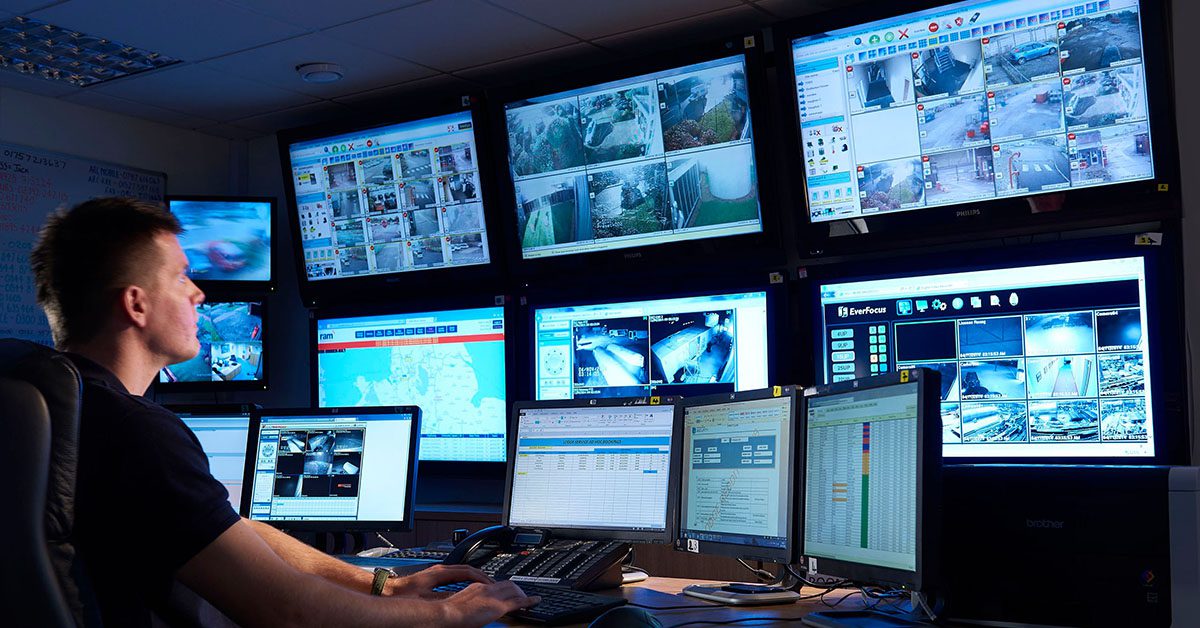
A Central Monitoring Station (CMS), often called a Central Patient Monitoring Station or Nursing Station Monitor, is the technological hub of modern critical care and hospital wards. It is a dedicated computer workstation or system that receives, displays, records, and analyzes real-time physiological data (like heart rate, blood pressure, oxygen saturation, and ECG) transmitted wirelessly or via cables from multiple bedside patient monitors. Think of it as the mission control center for a patient care unit, enabling clinicians to observe the vital signs of several patients—often 8, 16, 32, or more—from a single, centralized location.
Its primary function is to enhance situational awareness, improve patient safety, and streamline clinical workflow by allowing continuous surveillance of patient status without requiring constant physical presence at each bedside.
How it Works
The working principle is based on networked communication:
- Data Acquisition: Bedside monitors attached to patients collect physiological data through sensors (e.g., ECG electrodes, blood pressure cuffs, SpO₂ probes).
- Data Transmission: This data is transmitted in real-time to the Central Monitoring Station via a secure network. This can be a wired hospital LAN (Local Area Network) or a dedicated wireless system.
- Data Integration & Display: The CMS software integrates the incoming data streams. It presents them on large, high-resolution screens in customizable layouts—showing multiple patient waveforms and numerical values simultaneously.
- Alert Management: The system is programmed with alarm limits (high/low for each parameter). If a patient’s data breaches these limits, the CMS triggers visual and audible alarms to alert the clinical staff.
- Data Storage & Review: The station continuously archives patient data, allowing clinicians to review trends over hours, days, or even the entire hospital stay, which is crucial for clinical decision-making.
Key Components
- High-Performance Computer Server/Workstation: The core processing unit that runs the monitoring software and manages data flow.
- Large, High-Resolution Display(s): Single or multiple monitors (often 24-inch or larger) configured to show a matrix of patient tiles.
- Central Monitoring Software: The “brain” of the system. It handles data integration, display customization, alarming, networking, and data storage.
- Alarm Notification System: Includes on-screen flashing, audio alarms, and often integration with secondary alert systems like nurse call systems or pagers.
- Secure Network Interface: Hardware and software to ensure safe, encrypted, and reliable data transmission from bedside monitors to the central station, complying with patient data privacy laws (like HIPAA).
- Data Storage/Server: Either integrated or connected to a hospital server for long-term archival of patient trends and events.
2. Uses
Clinical Applications
- Continuous Surveillance in ICUs/CCUs: The most critical application, allowing a small team to monitor the fragile status of multiple critically ill patients.
- Step-Down/Telemetry Units: Monitoring patients who are stable enough to leave ICU but still require continuous cardiac (e.g., arrhythmia detection) or respiratory monitoring.
- Operating Rooms & Post-Anesthesia Care Units (PACU): Tracking vital signs during and immediately after surgery as patients recover from anesthesia.
- Emergency Departments: Managing multiple trauma or acute care patients simultaneously during triage and stabilization.
- Labor & Delivery: Monitoring fetal heart rate and maternal vital signs for multiple expectant mothers.
- General Hospital Wards: Increasingly used for “watchful waiting” of patients at risk of clinical deterioration (e.g., sepsis, respiratory distress).
Who Uses It
- Registered Nurses (RNs): The primary users, constantly observing the station from the nurses’ station.
- Intensivists & Critical Care Physicians: Use it for rapid patient assessment and trend analysis during rounds.
- Anesthesiologists: Monitor vital signs remotely while managing multiple responsibilities.
- Clinical Nurse Specialists & Charge Nurses: Use it for unit-wide patient flow and acuity assessment.
- Respiratory Therapists & Cardiologists: Review specific physiological trends relevant to their specialties.
Departments/Settings
- Intensive Care Unit (ICU)
- Cardiac Care Unit (CCU)
- Neonatal ICU (NICU)
- Pediatric ICU (PICU)
- Emergency Room (ER)
- Operating Room (OR) Complex
- Telemetry/Step-Down Units
- Labor & Delivery Wards
- Large multi-specialty hospital wards
3. Technical Specs
Typical Specifications
- Display: 24-inch to 55-inch medical-grade LCD/LED monitors, Full HD (1920×1080) to 4K resolution.
- Patient Capacity: Configurable, typically from 4 to 64+ patient waveforms simultaneously.
- Connectivity: Ethernet (10/100/1000BASE-T), Wi-Fi (802.11 a/b/g/n/ac), HL7/DICOM integration for EMR.
- Alarms: Configurable by parameter (HR, BP, SpO₂, Resp., etc.) with priority levels (crisis, warning, advisory).
- Data Review: Ability to review trends from seconds up to 72 hours or more.
- Power Supply: 100-240V AC, 50/60 Hz with battery backup/UPS support.
Variants & Sizes
- Fixed/Cart-Mounted Stations: Permanent installations at the nurses’ station.
- Mobile Workstations on Wheels (WoW): Allow clinicians to carry a smaller-scale central view with them.
- Wall-Mounted Displays: For auxiliary viewing in team rooms or physician areas.
- Virtual Central Stations: Software-based systems that can run on approved tablets or computers, offering remote monitoring from on-call rooms or even physician homes.
Materials & Features
- Materials: Medical-grade plastics, steel chassis, anti-glare screen coatings.
- Key Features:
- Multi-Parameter Display: ECG, NIBP, SpO₂, Temperature, Respiration, IBP, EtCO₂.
- Advanced Arrhythmia Detection: Sophisticated algorithms for ST-segment analysis, PVC detection, etc.
- Early Warning Scoring (EWS) Integration: Automatically calculates and displays patient acuity scores (e.g., MEWS).
- Secure Remote Viewing: Allows authorized clinicians to view the central station feed on mobile devices within the hospital firewall.
- EMR/EHR Bidirectional Interface: Automatically populates vital signs into the Electronic Medical Record.
Notable Models/Series
- Philips: IntelliVue Information Center iX
- GE Healthcare: CARESCAPE Central Station (B650/B850)
- Mindray: BeneVision Central Monitoring System (N series)
- Dräger: Infinity Central Station (C700)
- Nihon Kohden: Life Scope Central Network System
4. Benefits & Risks
Advantages
- Improved Patient Safety: Enables early detection of clinical deterioration through continuous multi-patient surveillance.
- Enhanced Workflow Efficiency: Nurses can prioritize their response based on central alarm status, reducing unnecessary bedside visits.
- Comprehensive Data Management: Consolidates data from many patients into a single, reviewable record for better clinical decision-making.
- Reduced Alarm Fatigue (when configured properly): Centralized alarm management allows for setting unit-wide policies and prioritizing critical alerts.
- Staff Optimization: Allows a single clinician to effectively monitor more patients without compromising safety.
Limitations
- Dependence on Technology: System failures or network downtime can disrupt monitoring.
- Data Overload: Poor interface design can lead to information overload, causing staff to miss critical changes.
- False Alarms: Inaccurate sensor readings or inappropriate alarm settings can generate false alerts, contributing to alarm fatigue.
- Initial Cost: High capital expenditure for purchase, installation, and integration.
Safety Concerns & Warnings
- Alarm Fatigue: The #1 safety concern. Overexposure to non-actionable alarms can lead to desensitization and missed critical events.
- Network Security: Vulnerable to cyberattacks, which could disrupt monitoring or compromise patient data.
- User Error: Incorrect patient assignment (wearing the wrong transmitter) leads to “wrong patient” monitoring.
- Electrical Safety: Must be used in designated dry areas, away from fluids.
Contraindications
There is no direct medical contraindication for using the station itself. However, its use is contraindicated:
- As a replacement for adequate nurse staffing and regular physical patient assessment.
- If the bedside monitors or transmitters are not functioning correctly or are improperly applied to the patient.
- In settings without trained personnel to interpret the data and respond appropriately.
5. Regulation
Central Monitoring Stations are regulated as medical devices, often as part of a monitoring system.
- FDA Class (USA): Typically Class II (moderate to high risk). Regulated under product code DQJ (Monitor, Physiological, Patient). Requires 510(k) premarket notification.
- EU MDR Class (Europe): Generally classified as Class IIa or IIb, depending on the intended purpose and alarm functionality.
- CDSCO Category (India): Classified under Class B or Class C medical devices.
- PMDA (Japan): Regulated as a Class II controlled medical device. Requires certification from a Registered Certification Body (RCB).
- ISO/IEC Standards:
- ISO 80601-2-55: Particular requirements for the basic safety and essential performance of respiratory gas monitors.
- ISO 14971: Application of risk management to medical devices.
- IEC 60601-1: General requirements for basic safety and essential performance.
- IEC 62304: Medical device software – Software life cycle processes.
- ISO 27001: Information security management (increasingly relevant).
6. Maintenance
Cleaning & Sterilization
- Use a soft, lint-free cloth slightly dampened with a mild detergent or hospital-grade disinfectant (e.g., 70% isopropyl alcohol).
- Never spray liquid directly onto the screen or console. Do not use abrasive cleaners.
- The unit itself is not sterilizable.
Reprocessing
Not applicable to the central station hardware. Disposable components (like electrodes, cuffs) are used at the patient end (bedside).
Calibration
- The central station does not directly calibrate physiological parameters. Calibration is performed at the bedside monitor or transducer level.
- The station’s time synchronization and network accuracy should be verified regularly.
- Display color and brightness may require periodic calibration for accurate waveform representation.
Storage
- Store in a clean, dry, temperature-controlled environment (typically 10°C to 40°C).
- Relative humidity should be between 30% and 75%, non-condensing.
- Avoid exposure to direct sunlight, dust, and strong electromagnetic fields.
7. Procurement Guide
How to Select the Device
- Assess Clinical Needs: Patient capacity, required parameters (basic vs. advanced like cardiac output), departments of use.
- Evaluate Integration: Must seamlessly integrate with existing bedside monitors (often dictates sticking with the same manufacturer) and the Hospital Information System (HIS)/EMR.
- Scalability: Can the system expand if the unit grows?
- Usability: Is the interface intuitive? Can it be customized for different care units?
- Alarm Management Features: Look for smart alarm algorithms, alarm escalation pathways, and ease of setting unit-wide profiles.
Quality Factors
- Uptime/Reliability: >99.5% system availability.
- Screen Resolution & Clarity: Ability to clearly display multiple waveforms.
- Speed of Data Update: Near real-time (lag < 2-3 seconds).
- Vendor Support: Service contract terms, mean time to repair (MTTR), local technical support.
Certifications
Look for CE Marking (for EU), FDA 510(k) Clearance (for USA), and compliance with relevant ISO standards. UL/ETL listing for electrical safety is also important.
Compatibility
This is the most critical procurement factor. Ensure compatibility with:
- Existing Bedside Monitors (same brand is easiest, cross-brand may require gateways).
- Hospital Network Infrastructure.
- EMR/EHR System via HL7 or FHIR interfaces.
- Nurse Call Systems for alarm escalation.
Typical Pricing Range
Pricing is highly variable based on configuration.
- Entry-Level System (for a small unit): $15,000 – $30,000
- Standard ICU System (16-32 beds): $40,000 – $100,000+
- Enterprise-Wide System (multiple units, servers, integration): $200,000 – $500,000+
Cost includes hardware, software licenses, and initial installation. Annual service contracts are typically 10-15% of the purchase price.
8. Top 10 Manufacturers (Worldwide)
- Philips Healthcare (Netherlands/USA): A global leader with the IntelliVue ecosystem, known for reliability and extensive clinical intelligence.
- GE Healthcare (USA): Offers the CARESCAPE platform, strong in cardiology and anesthesia monitoring integration.
- Mindray (China): A rapidly growing powerhouse offering cost-effective and feature-rich BeneVision systems with strong global sales.
- Drägerwerk AG (Germany): Renowned for critical care and perioperative solutions, especially in anesthesia workstations and Infinity series monitors.
- Nihon Kohden (Japan): Dominant in Japan and Asia, known for high-quality ECG and neurology monitoring.
- Shenzhen Comen Medical Instruments (China): Major manufacturer offering a wide range of patient monitoring systems at competitive prices.
- Edan Instruments (China): Another significant Chinese player, exporting globally with a focus on value and core monitoring features.
- Spacelabs Healthcare (USA): A historical leader now part of OSI Systems, known for its user-friendly interfaces in acute care.
- Schiller AG (Switzerland): Strong in cardiology diagnostics and emergency care monitoring systems.
- BPL Medical Technologies (India): A leading Indian manufacturer with a strong domestic presence and growing exports in patient monitoring.
9. Top 10 Exporting Countries (Latest Year)
(Based on HS Code 901819 – Electro-cardiographs, other monitoring systems)
- China: The undisputed export leader, driven by manufacturers like Mindray, Comen, and Edan. Dominates the mid-range market globally.
- United States: Major exporter of high-end, technologically advanced systems from Philips, GE, and Spacelabs.
- Germany: High-value exports from Dräger and other precision medical engineering firms, focused on premium ICU/OR solutions.
- Netherlands: Significant exports due to Philips’ manufacturing and European distribution hub.
- Japan: Exports high-end devices from Nihon Kohden, particularly to other Asian and Western markets.
- Switzerland: Exports specialized monitoring equipment from Schiller and others.
- India: Growing export volume driven by cost-effective manufacturing from companies like BPL.
- United Kingdom: Exports niche and technologically advanced monitoring solutions.
- Ireland: A key manufacturing and export hub for several multinational medtech companies.
- South Korea: Exports from growing domestic medtech firms, competing in the Asian market.
10. Market Trends
- Current Global Trends:
- Interoperability & Integration: Push towards open-architecture systems that can integrate devices from multiple vendors into a single view.
- Migration to Tele-ICU & Remote Monitoring: CMS technology is the backbone for specialists to monitor patients across multiple hospitals from an off-site command center.
- Data Analytics & Predictive Alerts: Moving from simple threshold alarms to AI-driven alerts that predict events like hypotension or sepsis hours before they occur.
- New Technologies:
- AI and Machine Learning: For artifact rejection, smart alarm suppression, and predictive analytics.
- Cloud-Based Platforms: Enabling scalable data storage, remote access, and advanced analytics without massive on-site servers.
- Wearable & Patch Monitors: Integration of data from disposable, wireless wearables into the central station for lower-acuity monitoring.
- Demand Drivers:
- Aging global population requiring more critical care.
- Nursing shortages increasing the need for efficiency tools.
- Value-based care models emphasizing early intervention and avoidance of adverse events.
- Post-pandemic focus on hospital capacity and remote care models.
- Future Insights:
- The central station will evolve into a Clinical Command Center, integrating not just vital signs but also data from ventilators, infusion pumps, EMRs, and lab systems.
- Increased use of augmented reality (AR) dashboards for more intuitive data visualization.
- Cybersecurity will become an even more critical component of design and procurement.
11. Training
Required Competency
- Understanding of basic physiological parameters and their normal/abnormal ranges.
- Proficiency in operating the specific CMS software: admitting/discharging patients, customizing views, setting and silencing alarms, reviewing trends.
- Ability to troubleshoot basic network/connectivity issues (e.g., “patient lost” alarm).
- Knowledge of hospital-specific alarm management policies and escalation procedures.
Common User Errors
- Incorrect Patient Assignment: Failing to properly link a bedside transmitter to the correct patient on the central screen.
- Alarm Setting Neglect: Using default alarm limits for all patients instead of individualizing them based on patient condition, leading to alarm fatigue.
- Over-reliance on Technology: Ignoring the need for regular physical patient assessments (“looking at the screen, not the patient”).
- Poor Workstation Layout: Not arranging patient tiles logically (e.g., by acuity or room order), slowing down response time.
Best-Practice Tips
- Standardize Alarm Settings: Create and use unit-specific profiles for different patient types (e.g., post-op, cardiac, general floor).
- Implement a “Alarm Management Committee”: Regularly review alarm data, identify nuisance alarms, and adjust policies.
- Position the Station Strategically: Ensure clear sightlines from the station to patient rooms when possible, and ensure it’s staffed at all times.
- Conduct Regular “Downtime” Drills: Train staff on backup procedures (e.g., returning to bedside monitors) in case of system failure.
12. FAQs
1. Can a Central Station monitor patients from different manufacturers’ bedside monitors?
- It is possible but complex. It usually requires additional interface gateways or software, and full functionality may be limited. Seamless operation is most common within a single manufacturer’s ecosystem.
2. How many patients can one nurse safely monitor on a central station?
- There is no universal number. It depends on patient acuity, unit layout, support staff, and the intelligence of the monitoring system. It’s a clinical decision, not a technological one. The station is a tool to improve safety within established nurse-to-patient ratios.
3. What happens if the network fails?
- Bedside monitors should continue to function and alarm locally. The central station will lose the data feed. Hospitals must have a downtime procedure, which typically involves nurses increasing the frequency of bedside rounds.
4. Can I access the central station from home?
- With proper, secure Virtual Private Network (VPN) and authentication systems, some platforms allow authorized clinicians (e.g., on-call intensivists) to view patient data remotely for consultative purposes. This is highly regulated for security.
5. How is patient privacy maintained on a large screen?
- Screens should be positioned to avoid public view. Systems can be configured to show patient initials or coded location instead of full names. Automatic logoff and strict password policies are mandatory.
6. How often should the system be updated?
- Software updates should be applied as released by the manufacturer, especially security patches. Major upgrades should be planned during scheduled maintenance windows after thorough staff training.
7. What’s the typical lifespan of a Central Monitoring Station?
- The hardware typically lasts 7-10 years. The software may be updated more frequently. Obsolescence often comes from inability to integrate with new hospital systems or meet evolving cybersecurity standards.
8. Does it replace the need for monitors at the bedside?
- Absolutely not. Bedside monitors are essential for close intervention, procedure guidance, and as a backup. The central station is for surveillance and overview.
13. Conclusion
The Central Monitoring Station is far more than just a large display; it is the central nervous system of modern patient care units. By aggregating real-time physiological data from multiple patients, it empowers clinical teams with unparalleled situational awareness, enabling early intervention and enhancing patient safety. Its value is maximized not just by its technological capabilities—such as intelligent alarming, EMR integration, and remote viewing—but by its thoughtful integration into clinical workflow and supported by comprehensive staff training and robust alarm management policies. As healthcare moves towards greater connectivity, data analytics, and telemedicine, the evolution of the CMS into a comprehensive clinical command center will play a pivotal role in shaping efficient, proactive, and high-quality patient care for the future.
14. References
- The Joint Commission. (2013). Medical device alarm safety in hospitals. Sentinel Event Alert, (50).
- International Electrotechnical Commission (IEC). IEC 60601-1 series: Medical electrical equipment.
- U.S. Food and Drug Administration. (2022). Classify Your Medical Device.
- Philips Healthcare. (2023). IntelliVue Information Center iX Administrator’s Guide.
- GE Healthcare. (2023). CARESCAPE Central Station B650 Technical Specifications.
- World Health Organization (WHO). (2021). Global Atlas of Medical Devices.
- Frost & Sullivan. (2023). Global Patient Monitoring Market Analysis.
- Emergency Care Research Institute (ECRI). (2023). Top 10 Health Technology Hazards.
- ISO 80601-2-55:2018. Medical electrical equipment — Part 2-55: Particular requirements for the basic safety and essential performance of respiratory gas monitors.
- Healthcare Information and Management Systems Society (HIMSS). (2022). Interoperability in Healthcare.