1. Definition
What is a Commode Chair?
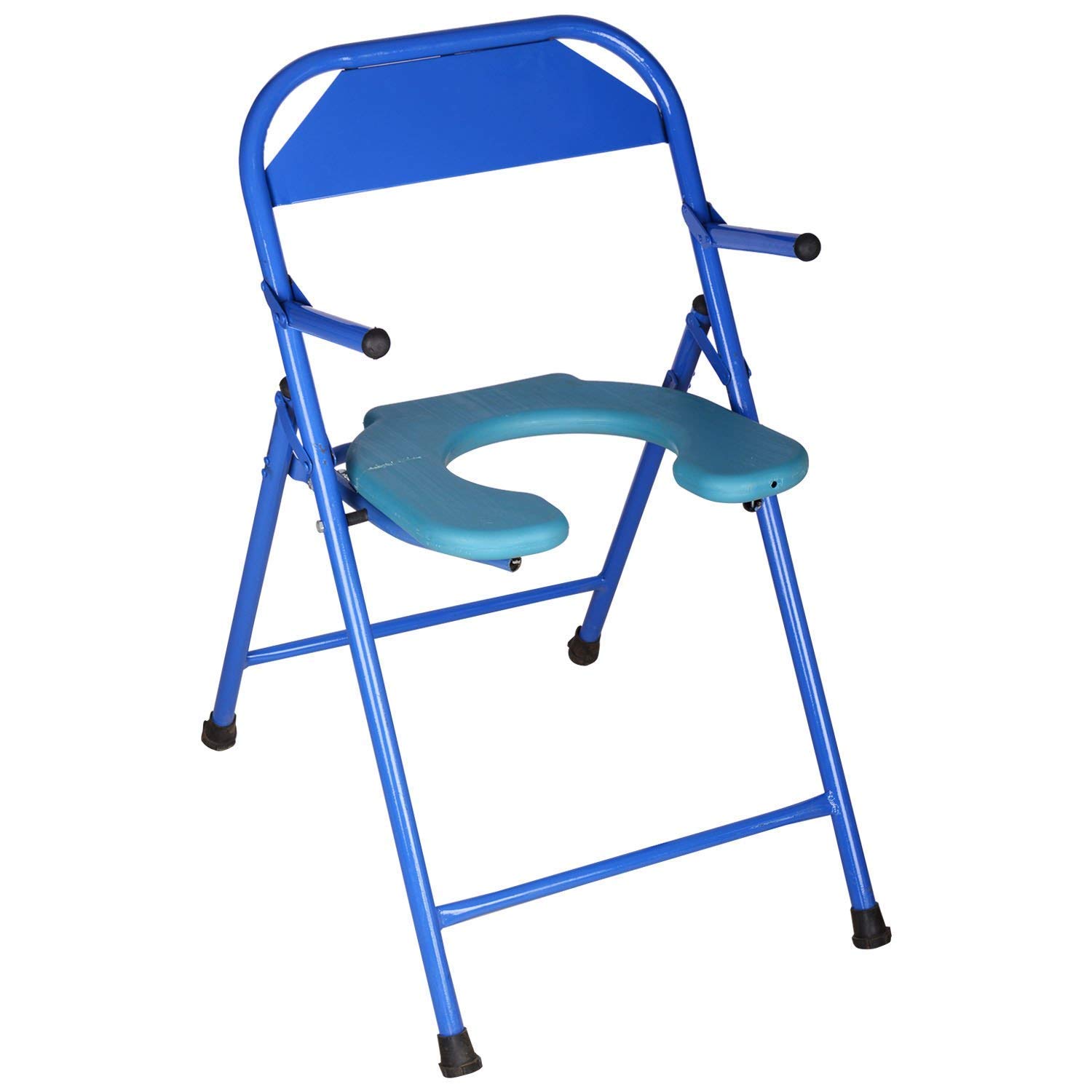
A commode chair, often simply called a a commode or bedside commode, is a portable, chair-like medical device designed to facilitate toileting for individuals with limited mobility. It serves as a self-contained, freestanding toilet that can be placed conveniently near a bed or in a room without direct access to a permanent bathroom. Its primary function is to provide a safe, dignified, and accessible means for users to manage bowel and bladder functions when walking to the bathroom is difficult, risky, or impossible.
Unlike a standard toilet, a commode is not plumbed. Instead, it features a removable collection bucket or pan beneath the seat. This design makes it an essential tool for enhancing independence and care in various settings, from private homes to clinical facilities.
How it Works
The working principle of a commode chair is straightforward. The user, often assisted by a caregiver, transfers from their bed or wheelchair onto the commode’s seat. The chair provides stable armrests and a backrest for support during use. Once seated, the user can relieve themselves into the removable bucket or pan positioned directly under the seat opening. After use, the bucket is carefully removed, its contents disposed of in a proper toilet, and the bucket is cleaned and sanitized. The chair itself remains in place, ready for the next use.
Key Components
- Frame: The structural skeleton, typically made of lightweight but sturdy metal (aluminum or steel), providing stability and support.
- Seat: Features a comfortable opening with a lid. The seat is often contoured for user comfort.
- Backrest: Provides postural support and safety during transfer and use.
- Armrests: Facilitate safe sitting down and standing up. Some models feature removable, swing-away, or adjustable-height armrests for easier lateral transfers from a wheelchair.
- Bucket/Pan: The removable container that collects waste. It slides in and out from the front or rear.
- Bucket Holder: A frame or shelf that securely holds the bucket in place beneath the seat.
- Legs & Feet: Usually four legs, often with adjustable height settings. Feet are capped with non-slip, floor-protecting tips or wheels/casters (on mobile models).
- Commod Pan Lid: A cover for the bucket that helps contain odors when not in use.
- Safety Belt/Restraint (Optional): Provides additional security for users at risk of falling or sliding.
2. Uses
Clinical Applications
Commode chairs are indispensable in patient care for:
- Post-Surgical Recovery: Patients recovering from hip, knee, or abdominal surgeries who have mobility restrictions.
- Fall Prevention: For patients at high risk of falls when attempting to walk to the bathroom, especially at night.
- Severe Disability or Weakness: For individuals with conditions like advanced arthritis, multiple sclerosis, or frailty due to age or illness.
- ICU and Step-Down Units: For critically ill patients who are stable enough to sit but cannot use a standard toilet.
- Palliative and End-of-Life Care: To provide comfort, dignity, and convenience with minimal patient movement.
- Bariatric Care: Specialized heavy-duty commodes support larger patients safely.
- Monitoring Output: The collection bucket allows for easy measurement and observation of urine or stool for medical assessment.
Who Uses It
- Patients/Residents: The primary users are individuals with temporary or permanent mobility impairments.
- Nurses & Nursing Assistants: Key professionals who assist with transfers, supervise use, and handle cleaning.
- Caregivers & Home Health Aides: Essential for in-home care, providing support and maintaining hygiene.
- Physical & Occupational Therapists: Use commodes as part of rehabilitation, teaching safe transfer techniques.
- Elderly Individuals & Their Families: For managing age-related mobility challenges at home.
Departments/Settings
- Hospitals: Medical-Surgical wards, Orthopedics, Geriatrics, ICU, Emergency Departments.
- Long-Term Care Facilities & Nursing Homes: Resident rooms and common areas.
- Rehabilitation Centers: In patient rooms and therapy suites.
- Home Healthcare: The most common setting, allowing individuals to remain in their familiar environment.
- Hospice Care Facilities.
- Disaster Relief & Field Medical Setups.
3. Technical Specs
Typical Specifications
- Seat Height: Adjustable, typically ranging from 17 to 21 inches (43-53 cm) to match bed, wheelchair, or user height.
- Weight Capacity: Standard models support 250-350 lbs (113-159 kg). Bariatric models range from 500 to 1000+ lbs (227-454+ kg).
- Overall Dimensions: Width: ~22-26″ (56-66 cm), Depth: ~24-28″ (61-71 cm). Bariatric models are wider and deeper.
- Seat Opening: Dimensions vary but are designed for comfort and effectiveness.
Variants & Sizes
- Standard Commode Chair: The basic model with a frame, seat, bucket, and armrests.
- Shower/Toilet Commode: Features wheels and a seat that can be positioned over a permanent toilet or used as a mobile shower chair. Made of corrosion-resistant materials.
- Bariatric/Heavy-Duty Commode: Reinforced frame, wider seat, and higher weight capacity.
- Folding/Portable Commode: Lightweight, collapsible frame for easy transport and storage.
- Bedside Commode with Wheels: Mobile for easy repositioning; some have locking brakes.
- 3-in-1 Commode: Functions as a bedside commode, a raised toilet seat (by removing legs and bucket), and a transport chair.
Materials & Features
- Materials: Frames: Anodized aluminum (lightweight, rust-proof) or powder-coated steel (durable). Seats: Molded plastic (easy to clean). Buckets: Polyethylene plastic.
- Features: Padded seats and backrests, swing-away arms, adjustable legs, locking wheels, commode pan holders, odor-control lids, removable/modifiable arms for side transfer, built-in or attachable urinals.
Models
- Drive Medical Deluxe Folding Commode: Popular, affordable, and foldable.
- Carex Portable 3-in-1 Commode: A versatile bestseller for home use.
- Invacare 7680 Toilet/Shower Commode: Durable, hospital-grade mobile commode.
- Maddak Ableware Aquatec Shower and Commode Chair: Excellent for wet environments.
- NOVA McKesson Heavy Duty Bariatric Commode: For higher weight capacities.
4. Benefits & Risks
Advantages
- Promotes Independence & Dignity: Allows users to manage personal hygiene with less assistance.
- Fall Prevention: Eliminates risky walks to the bathroom.
- Convenience: Provides immediate access, especially at night.
- Cost-Effective: Significantly cheaper than installing a permanent bathroom modification.
- Versatility & Portability: Can be used in any room and often folds for travel.
- Reduces Caregiver Strain: Makes assistance with toileting safer and more ergonomic.
Limitations
- Requires Emptying & Cleaning: The bucket must be manually emptied and sanitized regularly.
- Not a Permanent Aesthetic Solution: Can be visually obtrusive in a living space.
- Limited Capacity: The bucket needs frequent emptying with high-volume use.
- Transfer Still Required: Users must still be able to safely transfer to/from the chair, potentially requiring caregiver help.
Safety Concerns & Warnings
- Instability: Ensure all legs are fully extended and locked, and the chair is on a level surface. Never use on a slippery floor.
- Improper Transfer: Always lock wheels (if present) and use a gait belt or proper transfer technique.
- Overloading: Do not exceed the manufacturer’s stated weight capacity.
- Skin Integrity: Ensure the seat is dry and clean to prevent skin breakdown (pressure ulcers).
- Bucket Spills: Always secure the bucket in its holder and remove it carefully to avoid spills.
Contraindications
- For users who are completely non-weight-bearing and cannot participate in any transfer.
- If the user is severely agitated or combative, posing a high fall risk even with assistance.
- When a user requires full-body support that a commode chair cannot provide (may need a specialized toileting sling and lift).
5. Regulation
Commode chairs are generally classified as low-to-moderate risk medical devices.
- FDA Class (USA): Class I (exempt from premarket notification) or Class II (if intended for a specific medical purpose like bariatric support, may require 510(k)).
- EU MDR Class (Europe): Typically Class I. If they are measuring (e.g., graduated buckets) or are specifically for bariatric patients, they may be Class IIa.
- CDSCO Category (India): Class A (low risk) medical device.
- PMDA Notes (Japan): Generally classified as Controlled Medical Devices (Class I).
- ISO/IEC Standards:
- ISO 9999: Assistive products for persons with disability – Classification and terminology.
- ISO 7176 (Series): Particularly relevant for wheeled shower/commode chairs (Wheelchairs).
- IEC 60601-1: General safety standards for electrical medical equipment (if the commode has any electrical components, like a bidet feature).
6. Maintenance
Cleaning & Sterilization
- Daily/After Each Use: Empty the bucket immediately. Clean the bucket, seat, and any splashed areas with a mild detergent and warm water. Disinfect with a hospital-grade disinfectant wipe or solution (e.g., diluted bleach, following manufacturer’s instructions). Rinse and dry thoroughly.
- Weekly/Deep Clean: Disassemble removable parts. Wash the entire frame with a damp cloth and disinfectant. Avoid soaking the frame unless specified by the manufacturer.
Reprocessing
Between uses by different patients (in a clinical setting), a high-level disinfection process is required. This involves complete disassembly, thorough mechanical cleaning to remove all organic matter, and immersion in or wiping with an EPA-registered hospital disinfectant for the appropriate contact time.
Calibration
Calibration is not applicable for standard commode chairs. For models with weighing scales integrated, follow the scale manufacturer’s calibration guidelines.
Storage
- Store in a clean, dry area.
- If foldable, collapse it to save space.
- Ensure the bucket and seat are completely dry before storage to prevent mold and odors.
- Do not store in extreme temperatures.
7. Procurement Guide
How to Select the Device
- Assess User Needs: Consider weight, height, mobility level (transfer style), and cognitive state.
- Determine Primary Setting: Home use favors foldability; clinical settings favor durability and easy cleaning.
- Identify Required Features: Is a shower function needed? Are swing-away arms necessary for lateral transfer? Is portability key?
Quality Factors
- Sturdiness & Stability: No wobbling or flexing when weight is applied.
- Weight Capacity: Choose a capacity well above the user’s current weight.
- Ease of Cleaning: Seamless plastic seats, simple frame design without crevices.
- Adjustability: Height-adjustable legs are crucial for proper fit and safe transfers.
- Reputation of Brand: Stick with established medical device manufacturers.
Certifications
Look for regulatory marks applicable to your region: FDA Cleared (USA), CE Marking (EU), UKCA Marking (UK). ISO 13485 certification of the manufacturer is a strong quality indicator.
Compatibility
Ensure the commode can fit through doorways and into the intended bathroom. For mobile commodes, check if the width allows it to roll over the toilet.
Typical Pricing Range
- Basic Folding Commode: $40 – $80
- Deluxe/3-in-1 Commode: $80 – $150
- Mobile Shower/Toilet Commode: $120 – $300
- Heavy-Duty Bariatric Commode: $200 – $600
8. Top 10 Manufacturers (Worldwide)
- Invacare Corporation (USA): Global leader in home and long-term care medical products. Notable line: Invacare Commodes.
- Drive DeVilbiss Healthcare (USA/UK): Major supplier of durable medical equipment. Notable line: Drive Medical Commodes.
- GF Health Products, Inc. (USA): Parent company of brands like Lumex and Graham-Field. Extensive commode portfolio.
- Carex Health Brands (USA): Leading brand in daily living aids, known for affordable, user-friendly commodes.
- Maddak Inc. (USA): Specializes in high-quality activities of daily living (ADL) aids, including Ableware commodes.
- NOVA McKesson (USA): Supplies a wide range of medical products to institutions, including durable commodes.
- Etac (Sweden): Innovator in ergonomic patient handling and mobility, with a focus on design and user dignity.
- Handicare (Sweden/Global): Provides accessibility and mobility solutions, including shower and toilet chairs.
- Karma Medical (Taiwan): A significant OEM/ODM manufacturer and global exporter of mobility products, including commodes.
- Sunrise Medical (USA/Germany): Known for wheelchairs, also produces related seating and toileting systems.
9. Top 10 Exporting Countries (Latest Year)
(Based on HS Code 940290 – Other medical furniture)
- China: The dominant global exporter, manufacturing a vast volume for both low-cost and premium brands.
- United States: Major exporter of high-end and specialized medical devices, including commodes.
- Germany: Leading European exporter known for engineering and quality in medical devices.
- Taiwan: Key manufacturing hub for mobility aids and components, with strong OEM capabilities.
- Poland: A growing center for medical device manufacturing within the EU, offering cost-effective production.
- Italy: Known for design-oriented medical and assistive furniture.
- United Kingdom: Exports specialized and bariatric care equipment.
- Netherlands: A major European logistics and trade hub for medical devices.
- France: Exporter of medical equipment, including aids for daily living.
- Mexico: Significant exporter to the North American market under trade agreements.
10. Market Trends
Current Global Trends
- Aging Population: The rising global elderly population is the primary driver of demand.
- Home Healthcare Growth: Increased preference for aging in place post-pandemic.
- Rise in Chronic Disabilities: Conditions like obesity and arthritis increase long-term need.
New Technologies
- Smart Commodes: Integration of sensors to analyze waste for early detection of infections, dehydration, or disease markers.
- Advanced Materials: Antimicrobial coatings on seats and frames, and lighter, stronger composites.
- Ergonomic & Design-Focused Models: Commodes that look less medical and more like furniture to reduce stigma.
Demand Drivers
- Demographic shift towards an older population.
- Government initiatives supporting home-based care.
- Rising awareness of patient dignity and fall prevention.
- Increasing prevalence of bariatric conditions.
Future Insights
The market will continue to grow steadily. The future lies in “connected care”—commodes that provide health data to caregivers and clinicians remotely, enabling proactive care. Design innovation will focus on discretion, ease of use for patients with cognitive decline, and even greater customization.
11. Training
Required Competency
- For Caregivers/Clinicians: Proficiency in safe patient transfer techniques (e.g., pivot transfer, use of gait belts), understanding of body mechanics to prevent self-injury, and knowledge of cleaning/disinfection protocols.
- For Patients/Residents: Training on safe use, including how to lock wheels, use armrests, and signal for help.
Common User Errors
- Not Locking Wheels: Leading to chair movement during transfer.
- Improper Bucket Placement: Causing spills or instability.
- Ignoring Weight Limits: Compromising structural integrity.
- Using on Uneven or Slippery Surfaces: Creating a fall hazard.
- Skipping Cleaning: Leading to odors, stains, and infection risks.
Best-Practice Tips
- Position Securely: Place it on a level, non-slip surface, ideally with one side against a wall or bed for extra stability.
- Personalize Height: Adjust leg height so the user’s feet are flat on the floor and knees are at a 90-degree angle for easiest standing.
- Create a Routine: Establish a regular schedule for checking and emptying the bucket.
- Use Liners & Deodorizers: Disposable or washable bucket liners and drop-in deodorizers simplify cleaning and control odor.
- Keep Supplies Handy: Store gloves, cleaning spray, wipes, and liners in a caddy nearby.
12. FAQs
Q1: What’s the difference between a commode chair and a raised toilet seat?
A: A raised toilet seat is an attachment that fits on your existing toilet to make sitting down and standing up easier. A commode is a complete, freestanding unit with its own seat and collection bucket, which can be placed anywhere.
Q2: Can a commode chair be used over a regular toilet?
A: Yes, many “3-in-1” or “toilet commode” models are designed for this. You simply remove the collection bucket and place the frame over the toilet, using it as an elevated toilet seat with armrests.
Q3: How often should the commode bucket be emptied?
A: Ideally immediately after each use. At a minimum, it should be emptied at least once daily to prevent odors and bacterial growth.
Q4: What is the best way to clean and disinfect the commode?
A: Empty the bucket, then wash all surfaces (seat, bucket, frame) with soap and warm water. Follow with an EPA-registered disinfectant, allowing the recommended contact time. Rinse if needed and dry thoroughly.
Q5: Are commode chairs covered by insurance or Medicare?
A: In the US, Medicare Part B may cover a commode chair if deemed medically necessary by a doctor. There is typically a rental or purchase allowance. Private insurance plans vary, so check with your provider.
Q6: How do I choose the right seat height?
A: When seated, your feet should be flat on the floor with thighs parallel to the floor and knees at a right angle. Most commodes have adjustable legs to achieve this.
Q7: Can a commode be used by someone who is very heavy?
A: Absolutely. You must select a bariatric or heavy-duty commode specifically rated for the user’s weight (e.g., 500 lb, 700 lb capacity). These have reinforced frames and wider seats.
Q8: Is it safe to use a commode chair alone?
A: It can be, if the user has sufficient upper body strength, balance, and cognitive ability to transfer safely without assistance. A thorough assessment by an occupational therapist is recommended to determine safety for independent use.
Q9: What do I do if the commode tips or feels wobbly?
A: Stop using it immediately. Check that all leg adjustments are fully locked and that all four feet are firmly on a level floor. If the instability persists, the frame may be damaged; contact the manufacturer or supplier.
Q10: Can you get a commode with wheels?
A: Yes. Mobile or rolling commodes are very common, especially for use as shower chairs or for easy repositioning. They always have locking brakes that must be engaged during transfers and use.
13. Conclusion
The commode chair is a fundamental piece of assistive technology that profoundly impacts quality of life. By providing a safe, accessible, and private solution for toileting, it upholds user dignity, promotes independence, and reduces critical risks like falls. Its application spans from temporary post-operative recovery to long-term care in homes and clinical facilities. Successful implementation hinges on selecting the right model for the individual’s needs, ensuring proper maintenance for hygiene, and training both users and caregivers on safe practices. As demographics and technology evolve, the humble commode continues to adapt, remaining an indispensable tool in compassionate, effective patient care.
14. References
- U.S. Food and Drug Administration (FDA). Classify Your Medical Device.
- European Commission. Medical Device Regulation (MDR) 2017/745.
- International Organization for Standardization (ISO). ISO 9999:2022 Assistive products — Classification and terminology.
- Centers for Medicare & Medicaid Services (CMS). Durable Medical Equipment (DME) Coverage.
- World Health Organization (WHO). Global report on assistive technology (2022).
- Market research reports from Grand View Research, Fortune Business Insights on “Patient Handling Equipment” and “Home Healthcare Devices” markets.
- Manufacturer product catalogs and technical manuals from Invacare, Drive DeVilbiss, Carex, and GF Health Products.
- Clinical guidelines from professional bodies: American Occupational Therapy Association (AOTA), The Royal College of Occupational Therapists (RCOT).