1. Definition
What is a Colposcope?
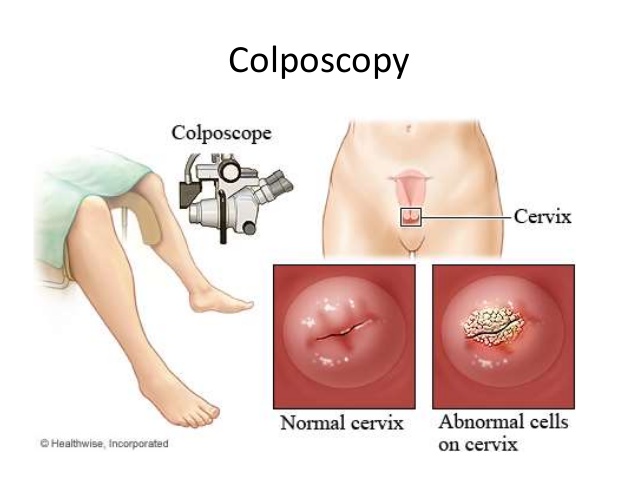
A colposcope is a specialized, binocular medical instrument designed for the magnified visual examination of the cervix, vagina, and vulva. Often described as a “binocular microscope on a stand,” its primary function is to detect and evaluate abnormal, pre-cancerous, and cancerous lesions in the lower female genital tract that are often invisible to the naked eye. It is a cornerstone of gynecological diagnostics, serving as a critical tool for guiding biopsies and directing treatment.
How it Works
The colposcope works on the principle of stereoscopic magnification and illumination. It is positioned a few inches from the patient, who is in a standard gynecological exam position. Light is directed onto the cervix, and the physician looks through the eyepieces (or at a video monitor) to view a highly magnified, three-dimensional image of the tissue. The application of dilute acetic acid (vinegar) and sometimes Lugol’s iodine (Schiller’s test) during the procedure causes abnormal cells to temporarily change color (acetowhitening) and become more visible, allowing for targeted assessment and biopsy.
Key Components
- Optical Head: Contains the binocular eyepieces, magnification changer (often a rotating dial), and the objective lens. It provides the stereoscopic view.
- Light Source: A bright, cool (usually LED) light that illuminates the examination area without causing thermal damage to tissue. Modern colposcopes use fiber optic or LED illumination.
- Magnification System: Typically provides variable magnification levels (e.g., 4x to 40x), allowing the clinician to survey a wide area and then zoom in for detailed inspection.
- Mechanical Stand/Articulating Arm: A counterbalanced arm that allows smooth, stable positioning of the optical head in multiple planes.
- Filter System: Often includes a green (red-free) filter. This filter enhances the contrast of blood vessels, making vascular patterns—a key indicator of lesion severity—more apparent.
- Camera System: Integral to digital/video colposcopes. It includes a high-resolution camera and allows real-time image/video capture on a monitor, facilitating documentation, telemedicine, and patient education.
- Base and Mobility System: A sturdy base, often with wheels for portability, housing the electronics, light source transformer, and controls.
2. Uses
Clinical Applications
- Evaluation of Abnormal Cervical Screening Tests: The primary use is to investigate an abnormal Pap smear or a positive HPV (Human Papillomavirus) test.
- Assessment of Visible Lesions: To examine visible abnormalities on the cervix, vagina, or vulva reported by the patient or seen during a routine exam.
- Directed Biopsy: Precisely guiding the taking of tissue samples from the most suspicious areas, which is more accurate than a blind biopsy.
- Treatment Planning & Guidance: Assessing the extent of a lesion to plan for procedures like Loop Electrosurgical Excision Procedure (LEEP) or cryotherapy.
- Post-Treatment Follow-up: Monitoring the treated area for recurrence of abnormalities.
- Diagnosis of Other Conditions: Assessing genital warts, inflammation (vaginitis/cervicitis), polyps, and other benign conditions.
Who Uses It
- Gynecologists (primary users)
- Colposcopists (specialists in the procedure)
- Gynecologic Oncologists
- Advanced Practice Providers (e.g., Nurse Practitioners, Physician Assistants) with specialized training
- Trained Nurses assisting in the procedure and documentation
Departments/Settings
- Gynecology Clinics & Departments (most common)
- Women’s Health Centers
- Oncology Centers (specifically gynecologic oncology)
- Family Planning & Sexual Health Clinics
- Outpatient Procedure Suites
- Some Primary Care Settings with specialized training
3. Technical Specifications
Typical Specifications
- Magnification Range: 3x to 50x (standard working range is 6x to 25x).
- Working Distance: 200mm to 350mm (distance from objective lens to cervix).
- Field of View: 15mm to 60mm diameter, depending on magnification.
- Illumination: LED is standard, with intensity >30,000 lux for optimal brightness. Color temperature around 4500K-5500K for true tissue color rendition.
- Camera Resolution: For digital models, full HD (1920×1080) is a minimum; 4K UHD (3840×2160) is becoming standard for high-end systems.
- Power Supply: AC mains (100-240V).
Variants & Sizes
- Analog/Optical Colposcopes: Traditional, view-only through eyepieces. May have a documentation camera attachment.
- Digital/Video Colposcopes: Integrated camera and monitor. Enable digital imaging, recording, and software integration.
- Portable/Handheld Colposcopes: Compact, battery-operated devices useful for remote settings or low-resource environments.
- Hybrid Systems: Combine high-quality optical viewing with simultaneous digital documentation.
Materials & Features
- Materials: High-grade aluminum/steel for the stand, medical-grade plastics, and optical glass lenses.
- Key Features: Ergonomic design, one-handed maneuvering, motorized zoom/focus, image/video capture foot pedals, green filter, coaxial illumination (shadow-free), software with image management and reporting tools, and capabilities for AI-assisted analysis.
Notable Models/Series
- Leisegang (Germany): Series like the LC Series and 3D Series, known for premium optics.
- Zeiss (Germany): Precise colposcope, known for precision engineering.
- CooperSurgical (USA): Wallach/ Welch Allyn line, widely used in North America.
- DYSIS Medical (UK/USA): DYSIS Colposcope, which incorporates DYSISmap, a unique dynamic spectral imaging technology that maps acetowhitening objectively.
- OPTOPICS (Poland): EVA series of digital colposcopes.
- Seiler Instrument (USA): MediLive colposcopes.
- Karl Kaps (Germany): Som200 Series.
- Lutech (Italy): Pictor digital colposcopes.
4. Benefits & Risks
Advantages
- Improved Diagnostic Accuracy: Magnification and staining dramatically improve the detection of precancerous lesions over visual inspection alone.
- Targeted Biopsy: Reduces the number of unnecessary biopsies and increases the yield of identifying high-grade disease.
- Patient Education: Digital images allow the clinician to show the patient their own cervix, improving understanding and compliance.
- Documentation & Legal Record: Creates a permanent visual record for monitoring changes over time.
- Training Aid: Essential for training new colposcopists.
- Telemedicine Potential: Digital images can be shared remotely for consultation (telecolposcopy).
Limitations
- Operator Dependent: Diagnostic accuracy is heavily reliant on the skill and experience of the colposcopist.
- Cannot Diagnose Invasiveness: A biopsy and histopathological examination are still required for a definitive diagnosis of cancer.
- Limited Field of View: Only examines the surface epithelium, not deeper tissues.
Safety Concerns & Warnings
- Infection Control: The colposcope must not contact the patient. It is a semi-critical device; parts that may be contaminated (e.g., objective lens cap) must be properly disinfected between patients.
- Electrical Safety: Must be used with proper grounding to prevent electrical shock.
- Patient Discomfort: The procedure can cause anxiety, embarrassment, and minor physical discomfort (cramping from the speculum, stinging from solutions).
Contraindications
There are few absolute contraindications to colposcopy itself, but biopsy may be deferred or approached with caution in:
- Active, severe pelvic inflammatory disease (PID).
- Acute cervicitis or vaginitis.
- Known bleeding disorders or patients on anticoagulants (relative contraindication; requires careful management).
- Patient refusal or inability to cooperate.
5. Regulation
Colposcopes are regulated as medical devices globally.
- FDA Class: Class II (moderate to high risk). Requires 510(k) premarket notification to demonstrate substantial equivalence to a legally marketed predicate device.
- EU MDR Class: Class IIa (medium risk) under Rule 10 (active therapeutic devices).
- CDSCO Category (India): Class B (moderate risk).
- PMDA Notes (Japan): Class II medical device. Requires certification from a Registered Certification Body (RCB).
- ISO/IEC Standards:
- ISO 10993: Biological evaluation of medical devices.
- ISO 13485: Quality management systems for medical device manufacturing.
- IEC 60601-1: Medical electrical equipment – General requirements for basic safety and essential performance.
- IEC 60601-2-18: Particular requirements for the basic safety and essential performance of endoscopic equipment.
6. Maintenance
Cleaning & Sterilization
- External Surfaces: Wipe down daily and after each patient with a hospital-grade disinfectant (e.g., 70% isopropyl alcohol or EPA-registered disinfectant wipes). Avoid excess moisture.
- Objective Lens/Cap: Clean with a soft lens cloth and approved optical cleaner. If a disposable plastic lens cap is used, it should be changed between patients.
- Patient-Contact Attachments: Any component (e.g., speculum, biopsy forceps) that touches the patient must be sterilized according to standard hospital protocols (autoclaving) or be single-use.
Reprocessing
The colposcope itself is non-critical (touches only intact skin). It does not undergo high-level disinfection or sterilization. Meticulous low-level disinfection of the external surfaces and lens is the standard reprocessing step.
Calibration
- Regular Checks: Verify focus, zoom smoothness, and illumination uniformity regularly.
- Color Calibration (Digital Systems): Critical for accurate documentation. Use a color calibration card periodically to ensure true tissue color representation on the monitor.
- Professional Service: Manufacturer-recommended service every 1-2 years to check optical alignment, electrical safety, and mechanical stability.
Storage
- Store in a clean, dry, temperature-controlled environment.
- Cover the device with a dust cover when not in use.
- Ensure the articulating arm is locked or in a neutral position to prevent stress and drifting.
- For digital systems, ensure proper shutdown of the computer/software.
7. Procurement Guide
How to Select the Device
Consider clinical need, budget, and setting. A high-volume teaching hospital may prioritize a digital system with AI and networking, while a small clinic may opt for a reliable analog model.
Quality Factors
- Optical Clarity: Sharp, bright, distortion-free image with good depth of field.
- Ergonomics: Smooth, stable, and easy positioning to reduce operator fatigue.
- Illumination: Bright, even, cool light with a good green filter effect.
- Durability & Serviceability: Robust build quality and accessible local service support.
- Software (for digital): Intuitive, with efficient image management, reporting, and data security (HIPAA/GDPR compliant).
Certifications
Always verify:
- FDA 510(k) Clearance (for USA market)
- CE Marking (for EU market, under MDR)
- ISO 13485 certification of the manufacturer
Compatibility
- Compatibility with existing Electronic Medical Records (EMR) for image upload.
- Compatibility with LEEP/LLETZ generators if used in an integrated treatment setting.
- Standard video outputs (HDMI, USB) for connecting to external monitors or recording devices.
Typical Pricing Range
- Analog Colposcope: $5,000 – $15,000 USD
- Basic Digital Colposcope: $15,000 – $30,000 USD
- Advanced Digital System with AI/Enhanced Imaging: $30,000 – $60,000+ USD
8. Top 10 Manufacturers (Worldwide)
- CooperSurgical (USA) – A global leader in women’s health, offering the Wallach and Welch Allyn brands. Known for reliable, widely-used systems.
- Leisegang (Germany) – A premier German manufacturer renowned for exceptional optical quality, precision mechanics, and durability in high-end colposcopes.
- Carl Zeiss Meditec (Germany) – Known for superior optics and engineering, catering to the high-end diagnostic and research markets.
- DYSIS Medical Ltd. (UK/USA) – Innovator with the DYSIS colposcope, integrating dynamic spectral imaging to provide objective acetowhitening maps.
- OPTOPICS Poland (Poland) – A major European producer of cost-effective digital colposcopes (EVA series) with good performance.
- Seiler Instrument & Mfg. Co., Inc. (USA) – Offers the MediLive range, known for good quality optical and digital systems.
- Karl Kaps GmbH & Co. KG (Germany) – Specializes in high-precision surgical microscopes and colposcopes, favored for their robust design.
- Lutech (Italy) – Manufacturer of the Pictor series of digital colposcopes, focusing on ergonomics and software integration.
- Centrel (China) – A significant and growing manufacturer offering a wide range of colposcopes, from analog to digital, at competitive price points.
- Mindray (China) – A major global medical device company that includes colposcopes in its broad portfolio of diagnostic products.
9. Top 10 Exporting Countries (Latest Year – Based on Recent Trade Data)
Ranked by estimated export value of HS Code 901850 (Medical, surgical diagnostic microscopes, incl. colposcopes).
- Germany: The global leader in high-end optical and medical device exports, known for premium-quality colposcopes.
- United States: A major exporter, particularly of advanced digital and integrated systems from its leading companies.
- China: Dominates the mid-to-lower cost segment, with rapidly growing export volumes and improving technology.
- Japan: Exports high-tech medical devices, including colposcopes with advanced imaging from companies like Olympus.
- Poland: Has emerged as a key European manufacturing and export hub for cost-effective digital colposcopes.
- Italy: Exports well-designed medical equipment, including colposcopes from specialized manufacturers.
- United Kingdom: Home to innovative companies like DYSIS, driving exports of technologically advanced systems.
- Netherlands: A major European trade and distribution hub for medical devices.
- France: Exports a range of medical equipment, including specialized gynecological devices.
- South Korea: A growing exporter of high-tech medical electronics, including digital healthcare solutions.
10. Market Trends
Current Global Trends
- Shift to Digitalization: Rapid replacement of analog with digital/video colposcopes for documentation and telehealth.
- Rising Screening in Emerging Markets: Increased cervical cancer screening programs in Asia, Africa, and Latin America are driving demand.
- Point-of-Care Diagnostics: Growth in portable, affordable colposcopes for low-resource and remote settings.
New Technologies
- Artificial Intelligence (AI): AI algorithms are being developed to assist in lesion detection, classification, and biopsy site selection, aiming to reduce subjectivity and improve novice performance.
- Enhanced Imaging: Technologies like DYSIS (dynamic spectral imaging), multispectral imaging, and optical coherence tomography (OCT) are providing quantitative, objective data on tissue morphology.
- Integration with EMR/Cloud: Seamless integration for data management, teleconsultation, and creating large audit databases.
Demand Drivers
- Global Cervical Cancer Elimination Initiatives (WHO’s 90-70-90 strategy).
- Growing Awareness and Screening Adoption.
- Aging Female Population.
- Advancements in HPV Vaccination and Screening creating a need for precise diagnostic tools.
Future Insights
The future lies in “smart colposcopy.” Colposcopes will evolve into integrated diagnostic stations combining high-resolution imaging, AI-powered decision support, and connectivity for telemedicine. The focus will be on improving standardization, objectivity, and access to expert-level colposcopic evaluation globally.
11. Training
Required Competency
Competency requires formal training beyond general gynecology. This includes understanding cervical anatomy, the biology of HPV and carcinogenesis, colposcopic terminology (e.g., Swede Score, IFCPC nomenclature), recognizing normal/abnormal patterns, and proficient biopsy technique. Certification programs exist through bodies like the American Society for Colposcopy and Cervical Pathology (ASCCP).
Common User Errors
- Inadequate Visualization: Failure to fully visualize the transformation zone (especially in post-menopausal women).
- Misinterpretation of Acetowhitening: Over-calling minor changes or under-calling significant lesions.
- Poor Biopsy Technique: Taking biopsies from the wrong site (e.g., squamous epithelium instead of the transformation zone) or of inadequate depth.
- Inadequate Documentation: Failing to properly document findings, images, and biopsy sites.
Best-Practice Tips
- Systematic Examination: Follow a consistent routine: inspect with white light, apply acetic acid, wait 60 seconds, inspect with white light and green filter, apply Lugol’s if needed.
- Use the Green Filter: Always use it to assess vascular patterns.
- Take High-Quality Photographs: Document key findings before and after acetic acid, with a reference (e.g., clock face) in the image.
- Practice on Simulation Models: Use training models to hone pattern recognition skills.
- Engage in Continuous Education: Attend workshops, review image libraries, and participate in quality assurance programs.
12. FAQs
1. Is a colposcopy painful?
The procedure itself is not typically painful, but it can be uncomfortable—similar to a Pap smear. You may feel pressure from the speculum and a mild burning sensation when the acetic acid is applied. A biopsy can cause a brief, sharp pinch or cramp.
2. How long does the procedure take?
A full colposcopy examination typically takes about 10-15 minutes. If a biopsy is taken, it adds only a minute or two.
3. Can I get a colposcopy while on my period?
It is best to schedule the procedure when you are not menstruating, as blood can obstruct the view. However, if it’s urgent, it can still be performed with a light flow.
4. What is the difference between a Pap smear and a colposcopy?
A Pap smear is a screening test where cells are scraped from the cervix and examined in a lab. A colposcopy is a diagnostic procedure where the doctor looks at the cervix directly with magnification to find the cause of an abnormal Pap smear.
5. If my colposcopy is normal, does that mean I’m cancer-free?
A normal colposcopy is very reassuring. It means no visible precancerous or cancerous lesions were seen. However, you must continue with routine screening as recommended by your doctor, as changes can develop later.
6. How accurate is a colposcopy?
Accuracy depends heavily on the colposcopist’s skill. In expert hands, its sensitivity for detecting high-grade lesions is high. This is why biopsy is used to confirm the findings.
7. Can I have sex before a colposcopy?
It’s generally advised to avoid intercourse, using tampons, vaginal medications, or douches for 24-48 hours before the procedure, as these can irritate the cervix and affect the examination.
8. How soon will I get my biopsy results?
Biopsy results (the pathology report) usually take 1-2 weeks to come back from the laboratory.
9. Are there different types of colposcopes?
Yes, from traditional optical scopes to advanced digital video scopes with recording and computer analysis capabilities. The basic principle remains the same.
10. Is colposcopy safe during pregnancy?
Yes, it is considered safe and is often performed during pregnancy to evaluate significant abnormalities. Biopsies are taken more cautiously, if at all.
13. Conclusion
The colposcope remains an indispensable tool in the fight against cervical cancer, bridging the gap between abnormal screening tests and definitive diagnosis. From its origins as a magnifying glass to today’s sophisticated digital systems with AI potential, it has continually evolved to improve patient care. Successful colposcopy hinges on three pillars: a high-quality device, a rigorous maintenance protocol, and, most importantly, a well-trained, competent colposcopist. Understanding the device’s technical aspects, regulatory landscape, and proper clinical application is crucial for healthcare providers, administrators, and procurement specialists to ensure effective, safe, and equitable cervical health services globally.
14. References
- American Society for Colposcopy and Cervical Pathology (ASCCP). (2023). Colposcopy Standards.
- World Health Organization (WHO). (2021). WHO guideline for screening and treatment of cervical pre-cancer lesions for cervical cancer prevention.
- U.S. Food and Drug Administration (FDA). Product Classification Database: Colposcope.
- European Commission. Medical Device Regulation (MDR) 2017/745.
- International Agency for Research on Cancer (IARC). (2022). Colposcopy and Treatment of Cervical Precancer.
- International Federation for Cervical Pathology and Colposcopy (IFCPC). (2023). Nomenclature.
- Market research reports from: Grand View Research, Fortune Business Insights, and Mordor Intelligence (2023-2024).
- Manufacturer technical manuals and white papers from Leisegang, CooperSurgical, and DYSIS Medical.
- ISO & IEC Standards Publications.
- Jordan, J., et al. (2009). European consensus statement on essential colposcopy. European Journal of Obstetrics & Gynecology and Reproductive Biology.