Vitamin E is a fat-soluble vitamin that is essential for many bodily functions. It is a powerful antioxidant that helps to protect cells from damage caused by free radicals. Free radicals are unstable molecules that can damage cells, leading to a variety of health problems, including premature aging and cancer.
Vitamin E also plays a role in the immune system and in blood clotting. It is also important for muscle and nerve function.
Here are some of the potential benefits of vitamin E for the body:
- Protects against cell damage: Vitamin E is a powerful antioxidant that helps to protect cells from damage caused by free radicals. Free radicals are unstable molecules that can damage cells, leading to a variety of health problems, including premature aging and cancer.
- Boosts the immune system: Vitamin E plays a role in the immune system by helping to produce white blood cells, which fight off infection.
- Promotes blood clotting: Vitamin E helps to promote blood clotting by helping to produce platelets, which are blood cells that help to stop bleeding.
- Improves muscle and nerve function: Vitamin E is important for muscle and nerve function because it helps to protect cells from damage.
- Reduces the risk of chronic diseases: Vitamin E may help to reduce the risk of chronic diseases such as heart disease, Alzheimer’s disease, and cataracts.
However, it is important to note that there is limited scientific evidence to support some of these potential benefits. More research is needed to confirm the role of vitamin E in preventing or treating chronic diseases.
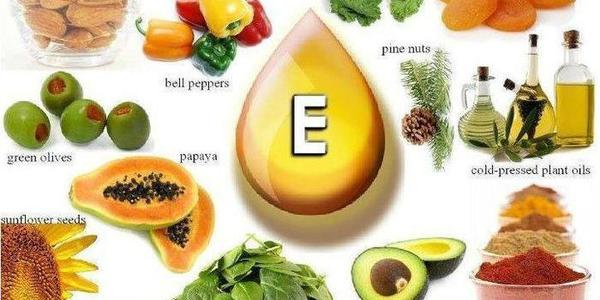
Vitamin E can be found in a variety of foods, including nuts, seeds, and vegetable oils. It is also available as a supplement. However, it is important to talk to your doctor before taking any supplements, as they can interact with other medications you are taking.
| Benefit | Description |
|---|---|
| Protects against cell damage | Vitamin E is a powerful antioxidant that helps to protect cells from damage caused by free radicals. Free radicals are unstable molecules that can damage cells, leading to a variety of health problems, including premature aging and cancer. |
| Boosts the immune system | Vitamin E plays a role in the immune system by helping to produce white blood cells, which fight off infection. |
| Promotes blood clotting | Vitamin E helps to promote blood clotting by helping to produce platelets, which are blood cells that help to stop bleeding. |
| Improves muscle and nerve function | Vitamin E is important for muscle and nerve function because it helps to protect cells from damage. |
| Reduces the risk of chronic diseases | Vitamin E may help to reduce the risk of chronic diseases such as heart disease, Alzheimer’s disease, and cataracts. |
thanks for sharing the benefit and description in table format to know the use of vitamin E is renowned for its positive effects on skin health. When applied topically, it can help moisturize and nourish the skin, making it look and feel more youthful. Furthermore, it aids in reducing the signs of aging, such as fine lines and wrinkles, by supporting collagen production
In the world of vitamins, this article is a beacon of clarity. An invaluable guide for those looking to understand the power of Vitamin E.”
If you are considering taking a vitamin E supplement, talk to your doctor first. They can help you determine the right dosage for you.
Discovering the diverse benefits of vitamin E is eye-opening.
Vitamin E is found in a variety of foods, including:
Vitamin E is a potent antioxidant, protecting your cells from oxidative stress and reducing the risk of chronic diseases.”