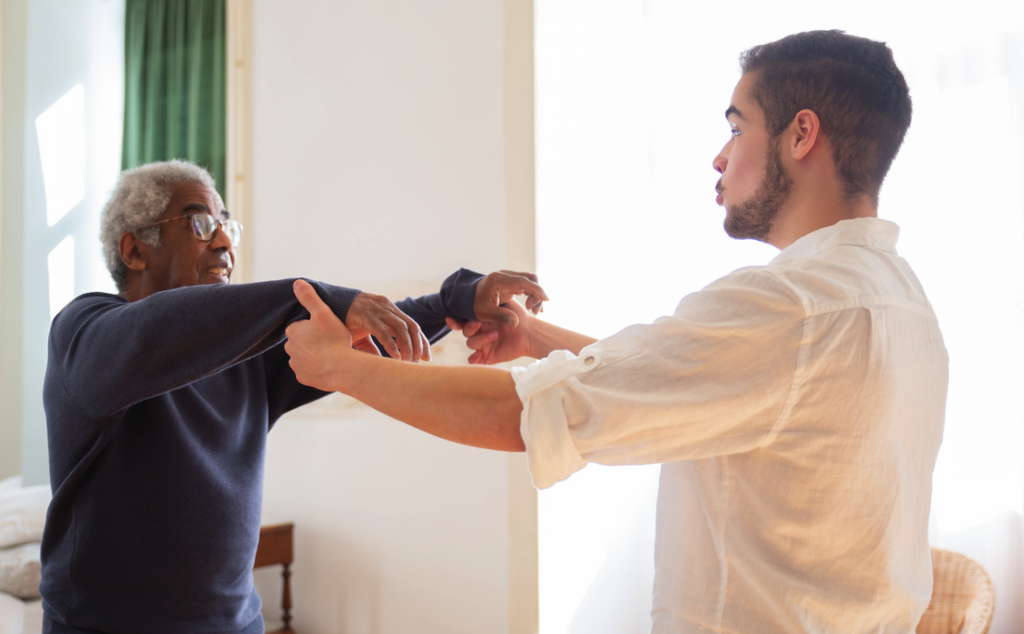
Recovering from a stroke can be a complex and lengthy process, particularly for those seeking specialized treatment abroad. Recovery often involves more than immediate medical treatment, requiring rehabilitation, follow-up care, medication management, and lifestyle adjustments.
Patients receiving treatment abroad should consider healthcare systems, rehabilitation services, communication, insurance, and long-term care arrangements. Early rehabilitation can address difficulties with movement, speech, memory, and daily activities based on stroke severity. Family involvement and clear communication with healthcare professionals can further support recovery and ensure continuity of care.
In this guide, we will explore how patients can navigate healthcare systems, coordinate care, and support long-term neurological recovery abroad.
What Stroke Recovery Involves
Stroke recovery aims to restore function, improve independence, and manage effects. When treatment takes place abroad, patients must also consider rehabilitation and arrange continued care after returning home.
Depending on severity, therapy may address movement, daily activities, communication, swallowing, cognition, and emotional well-being. Foreign patients should discuss timelines, caregivers, language support, and follow-up.
The Centers for Disease Control and Prevention states that stroke rehabilitation often begins in the hospital within one or two days. Early rehabilitation can help establish a recovery plan before patients transfer to an overseas rehabilitation facility or return home.
Recovery may take weeks, months, or years, making early planning and coordinated follow-up important for patients receiving care abroad.
Rehabilitation After a Stroke
For those seeking stroke treatment abroad, rehabilitation should be planned as an integral part of the overall recovery process. It may include occupational, physical, and speech therapy.
Patients should discuss rehabilitation duration, follow-up care, language support, and continued therapy options. Coordinating care before returning home can help maintain progress and independence.
Access to rehabilitation can vary considerably between countries. A National Institutes of Health review found that inpatient rehabilitation rates among stroke patients ranged from 13% in Sweden to 57% in Israel. This reflects significant differences in rehabilitation access and care pathways worldwide.
Patients traveling abroad should therefore understand the rehabilitation program, expected duration, follow-up arrangements, and options for continuing therapy after returning home.
Emotional and Psychological Recovery
Stroke recovery extends far beyond the physical. Patients may experience anxiety, depression, frustration, fear, mood changes, or grief, mostly caused by neurological injury itself. These challenges may hinder rehabilitation participation.
For foreign patients, culturally sensitive psychological support can help manage grief, reduce feelings of dependence, and rebuild confidence during daily recovery. In these situations, counselors can teach coping and adjustment strategies.
However, delivering this specialized care requires advanced expertise. Professionals increasingly pursue flexible online counseling programs to develop specialized knowledge while continuing their existing responsibilities. Master’s in counseling psychology programs online make counselors uniquely positioned for this role. They deliver comprehensive emotional support tailored to stroke survivors.
Felician University states that students in the Master’s program in Counseling Psychology learn to apply counseling psychology principles. These skills can support real-world patient care. Appropriate psychological care for overseas stroke patients can therefore become an important part of comprehensive stroke recovery.
Choosing Rehabilitation Care Abroad
Patients traveling abroad for stroke rehabilitation should consider the center’s clinical expertise, therapy options, language support, and plans for ongoing follow-up.
Facilities should offer coordinated care from neurologists, physiotherapists, speech-language therapists, and psychologists. Patients should also confirm that individualized rehabilitation plans are available and that progress can be shared with their doctors at home.
The Stroke Association recommends checking a care facility’s location, accommodation, fees, cleanliness, accessibility, equipment, privacy, and comfort. For international patients, families should also assess nutrition, cultural needs, language support, healthcare access, and stroke-specific expertise. Reviewing visitor policies, trial stays, and complaints procedures can help ensure suitable care abroad.
Continuing Recovery After Returning Home
Returning home does not mean stroke recovery is complete. Those who receive stroke care abroad should coordinate follow-up with local doctors after returning home. They should also continue recommended rehabilitation, medications, exercise, and lifestyle changes.
Sharing medical records, rehabilitation progress, medication lists, and discharge instructions with the home healthcare team can help maintain continuity of care. Regular health checks can help control blood pressure, diabetes, cholesterol, and other factors linked to recurrent stroke. Families should know when to seek urgent medical attention for new stroke symptoms.
Monitoring Progress and Preventing Another Stroke
Monitoring stroke recovery requires regular medical visits, rehabilitation assessments, and tracking changes in mobility, speech, cognition, mood, and daily activities. Patients coming back home after treatment abroad should share their medical records and treatment plans with their local healthcare providers.
Managing stroke risk factors, taking prescribed medications, and maintaining healthy habits can help reduce the likelihood of another stroke.
Neurologists Karen L. Furie, MD, MPH, and Peter J. Kelly, MD, explored strategies for stroke prevention in a 2026 article published in the New England Journal of Medicine. They emphasized early secondary-prevention strategies after ischemic stroke. They also highlighted monitoring risk factors, lifestyle behaviors, and medication recommendations over time.
Frequently Asked Questions
How can families arrange rehabilitation before traveling abroad?
Families can contact rehabilitation centers before traveling to confirm availability, treatment options, costs, and expected duration. They should share medical records, imaging reports, medication lists, and current rehabilitation needs in advance. Arranging accommodation, transportation, language assistance, insurance coverage, and follow-up care can also make the transition smoother.
What documents should international patients bring for stroke treatment?
Patients traveling abroad for stroke treatment should bring their medical records, imaging, test results, medication lists, and treatment history. Prescriptions, allergy information, insurance documents, identification, and emergency contacts are also useful. Keeping both digital and printed copies can help doctors review medical histories and coordinate care efficiently.
How can overseas doctors coordinate with a patient’s local healthcare team?
Overseas doctors can share discharge summaries, treatment plans, rehabilitation assessments, imaging, medication changes, and follow-up recommendations with local healthcare teams. Secure communication, teleconsultations, and case discussions can maintain continuity. Patients should provide consent and ensure medical information is transferred accurately.
Important Facts About Stroke Recovery
| Early rehabilitation after stroke | Often begins within 1–2 days of hospitalization |
| Inpatient rehabilitation rates | 13% in Sweden to 57% in Israel |
| Stroke recovery timeline | May take weeks, months, or years |
| Key rehabilitation areas | Movement, daily activities, communication, swallowing, cognition, and emotional wellbeing |
| Secondary stroke prevention | Requires ongoing monitoring of blood pressure, cholesterol, diabetes, heart disease, and smoking |
Planning for a Continued Recovery
Stroke recovery is an ongoing process that extends beyond initial treatment and rehabilitation. Patients seeking care abroad can benefit from planning ahead to ensure appropriate treatment and continuity of care at home.
With individualized rehabilitation, regular medical monitoring, and attention to stroke prevention, patients can work toward greater independence and improved day-to-day well-being. Families should stay involved throughout recovery and maintain regular communication with healthcare professionals. This helps ensure treatment and rehabilitation plans remain suitable as the patient’s needs evolve.