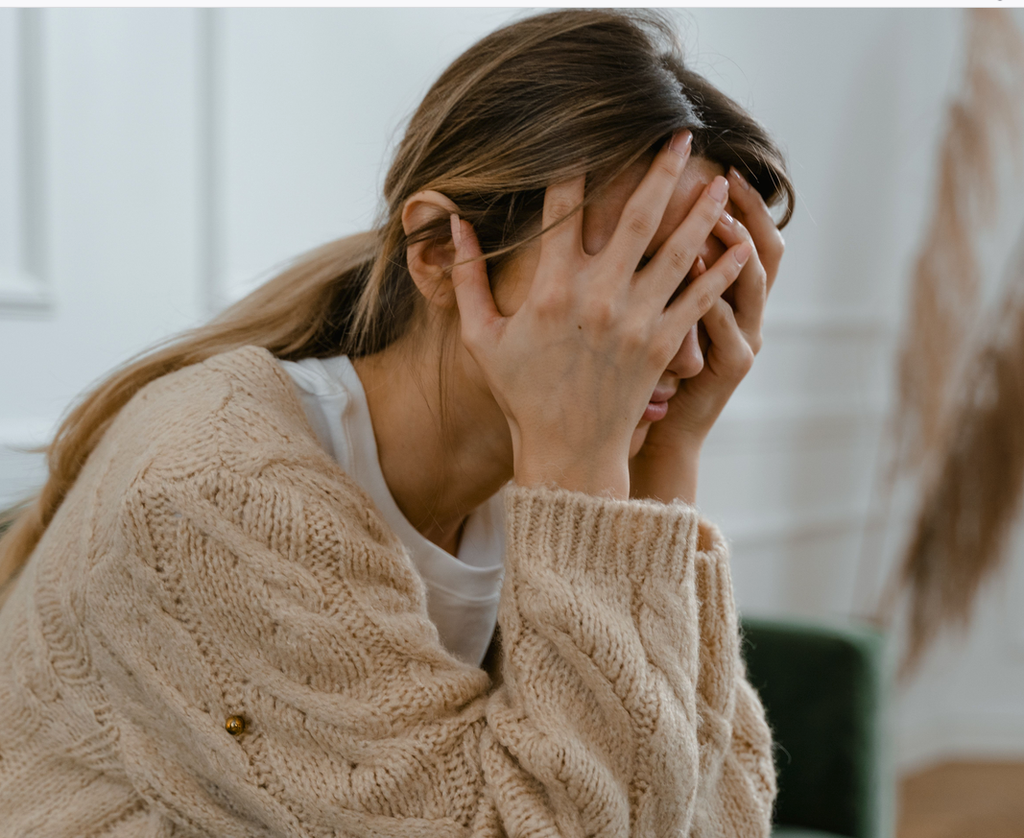
Imagine standing in a crowded grocery store when your heart suddenly races, your breathing becomes shallow, and intense fear overwhelms you. This sudden wave of terror can feel frightening and uncontrollable. Such an episode may be a panic attack, even without immediate danger.
For millions, panic attacks arrive unexpectedly, transforming ordinary moments into frightening experiences and creating persistent worry about when another episode might occur. Fortunately, these episodes are treatable with appropriate support. Understanding their biological and psychological triggers can help individuals manage symptoms and regain confidence.
In this article, we will explore panic attacks’ causes, including biology, genetics, stress, trauma, and learned fear.
What Happens During a Panic Attack
Medscape defines panic attacks as episodes of extreme fear involving at least four of thirteen recognized symptoms. The symptoms can appear suddenly, with their severity often intensifying rapidly over the following few minutes. Anxiety-related conditions can sometimes involve panic attacks. In panic disorder, however, they often happen unexpectedly without a predictable trigger.
A panic episode can feel sudden and overwhelming, as the body’s alarm response becomes intensely activated. A person may experience a racing or pounding heart, sweating, trembling, chest discomfort, breathlessness, dizziness, nausea, tingling, or chills. Emotional symptoms can include intense fear, feeling out of control, or fear of dying.
Why Panic Attacks May Occur
Panic attacks can be triggered by different physical, emotional, and environmental factors, and sometimes they occur without an obvious cause. Major stress, traumatic experiences, relationship difficulties, financial concerns, illness, fatigue, hunger, and intense emotions may increase vulnerability. Caffeine, alcohol, and some drugs can also contribute to panic symptoms.
HealthCentral notes that caffeine is a powerful stimulant that may trigger or worsen anxiety symptoms, particularly at higher doses. This may be especially relevant for people who already experience panic disorder or panic attacks. It may also disrupt sleep, which can further aggravate anxiety symptoms.
Recognizing potential triggers and tracking when symptoms occur can help individuals identify personal patterns. These observations can then provide useful information to discuss with a healthcare professional when developing appropriate ways to manage panic symptoms.
When to Seek Professional Help
Occasional panic symptoms may be manageable, but frequent or severe attacks warrant professional evaluation. Seek help when symptoms disrupt daily life, relationships, work, or sleep. Therapists and psychologists can provide assessment, coping strategies, and therapy.
Psychiatrists are medical doctors who diagnose mental-health conditions and prescribe medication when appropriate. Similarly, psychiatric mental health nurse practitioners (PMHNPs) are advanced-practice nurses who can also assess and treat mental-health disorders.
Many professional nurses enter this specialized area through a BSN-to-PMHNP pathway. This educational route builds directly on foundational nursing preparation before focusing entirely on psychiatric mental health care.
Spring Arbor University notes that PMHNPs can diagnose conditions, conduct examinations, and prescribe medications. Their expertise increasingly supports healthcare teams, while some states allow PMHNPs to practice independently.
Professional assessment can identify whether recurring panic attacks accompany another mental-health condition. It can also uncover potential medical, medication-related, or substance-related contributing factors.
What to Do When You Encounter a Panic Episode
When a panic situation begins, try to stay where you are if it is safe and remind yourself that the episode will pass. Slow, gentle breathing can help reduce rapid breathing and ease anxiety. Focusing on a nearby object, peaceful image, or your surroundings can also provide a useful distraction.
HelpGuide explains that hyperventilation can cause sensations like dizziness and chest tightness during panic attacks. Slow, controlled breathing may ease these symptoms and reduce anxiety. Try inhaling through your nose for two to four seconds, then exhaling through your mouth for about twice as long. Repeat several times.
How Panic Attacks Are Treated
Panic-related disorder can be treated through psychotherapy, medication, or a combination of both. Cognitive behavioral treatment is usually recommended because it helps people understand anxious thoughts and respond differently to panic-related sensations.
Depending on a person’s circumstances, a healthcare provider may recommend antidepressant medications as part of their treatment.
In a 2025 article, Dr. Simon Rego, PsyD, Chief of Psychology at Montefiore Medical Center, outlined key approaches to treating panic. Writing for the Anxiety and Depression Association of America, he highlighted the importance of reducing fear around panic sensations and building greater tolerance for discomfort. 2025.
Building practical coping skills can also support recovery. Learning to respond differently to these sensations is an important treatment goal.
How to Reduce the Future Attack Risks
Reducing future panic attacks often starts with recognizing personal triggers and developing routines that support emotional well-being. Regular physical activity, adequate sleep, balanced meals, and effective stress-management techniques can help manage anxiety symptoms. Limiting caffeine and alcohol may also reduce factors that can contribute to heightened anxiety and panic.
Keeping a record of when panic attacks occur, what happened beforehand, and how symptoms developed can help identify recurring patterns or potential triggers. This information may help healthcare professionals understand individual experiences more clearly. Avoiding feared situations can reinforce anxiety, while gradual, professionally guided exposure may support greater confidence and tolerance.
Frequently Asked Questions
Can panic attacks happen without having an anxiety disorder?
Panic attacks can happen without any diagnosed anxiety disorder. They are often triggered by acute stress, medications, substance use, or underlying medical conditions. While some people experience isolated episodes, recurring attacks require a professional medical evaluation.
Can children and teenagers have panic attacks?
Yes, children and teenagers can experience panic attacks. Symptoms include intense fear, rapid heartbeat, sweating, dizziness, trembling, and difficulty breathing due to stress or significant life changes. If these attacks recur, interfere with school, or cause distress, parents should seek professional evaluation.
Can panic attacks become more frequent over time?
Yes. Panic attacks can become more frequent when fear increases anxiety or leads to avoidance behaviors, though this does not happen to everyone. Recurring attacks may indicate an underlying issue like panic disorder. A healthcare professional can identify triggers and recommend appropriate treatment to manage symptoms.
Panic Attack Statistics
| Recognized symptoms used to define a panic attack | 4 or more of 13 symptoms |
| Typical time for symptoms to reach peak intensity | Within 10 minutes |
| Panic disorder patients experiencing panic attacks after controlled caffeine exposure | 51.1% |
| Panic symptoms associated with hyperventilation | Dizziness and chest tightness |
| Main psychological treatment approach discussed | Cognitive behavioral therapy (CBT) |
| Important factors associated with future attacks | Stress, trauma, caffeine, fatigue, alcohol, illness, and avoidance behaviors |
Understanding Panic Attacks and Taking Action
Panic attacks can feel frightening, but understanding their symptoms, triggers, and possible causes can make them easier to recognize and manage. When attacks become frequent, severe, or disruptive, professional support can help identify underlying factors and determine appropriate treatment.
Most importantly, experiencing a panic episode does not mean a person has to manage it alone. Recognizing when to seek help and developing a practical plan can support better coping and help reduce the impact of upcoming attacks.