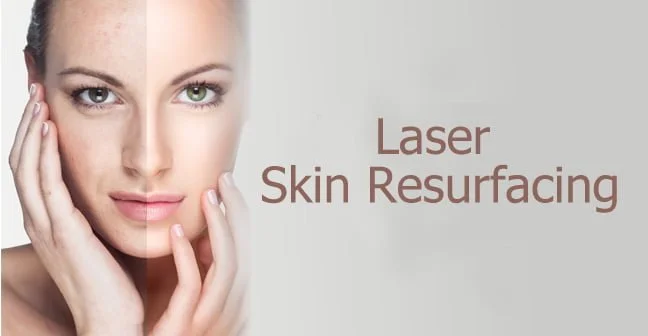
Introduction to Laser Skin Resurfacing
Laser skin resurfacing is an advanced dermatologic and aesthetic procedure designed to improve skin texture, restore youthful appearance, and treat a variety of skin imperfections. The procedure uses focused laser energy to remove damaged layers of the skin, stimulate collagen production, and promote regeneration of new, healthy skin. Unlike topical treatments or superficial chemical peels, laser resurfacing penetrates deeper into the skin layers, providing more dramatic and long-lasting results for fine lines, wrinkles, sun damage, scars, and pigment irregularities.
Laser skin resurfacing can be classified into ablative and non-ablative types, with each offering different benefits and recovery times. Ablative lasers, such as CO₂ and Erbium lasers, remove the outer layers of skin, allowing for the treatment of deeper wrinkles, severe sun damage, and noticeable scarring. This approach provides powerful results but comes with longer downtime due to the intensity of tissue removal. Non-ablative lasers, in contrast, penetrate deeper into the dermis without removing the surface, stimulating collagen remodeling while leaving the outer skin intact. This method has minimal downtime but often requires multiple sessions to achieve optimal results.
Fractional laser technology combines the advantages of both ablative and non-ablative lasers. By treating microscopic columns of skin while leaving surrounding tissue untouched, fractional lasers provide a balance between effective results and quicker healing. Laser resurfacing is typically performed on the face, neck, chest, and hands, where signs of aging or damage are most apparent. It is particularly beneficial for patients who wish to improve skin tone, reduce pigmentation, minimize scars, and restore a more youthful texture without undergoing invasive surgery.
Causes and Risk Factors Leading to Laser Skin Resurfacing
Patients often seek laser skin resurfacing due to visible and functional skin concerns that impact both aesthetics and quality of life. The primary causes for considering the procedure include:
Causes / Indications
-
Aging skin: Loss of collagen and elastin over time leads to fine lines, wrinkles, sagging, and reduced elasticity. Laser resurfacing can stimulate collagen regeneration, resulting in firmer, smoother skin.
-
Sun damage: Chronic ultraviolet exposure causes hyperpigmentation, solar lentigines, rough texture, and uneven skin tone. Laser treatments target damaged areas to restore a more even and healthy appearance.
-
Acne scars and trauma scars: Laser resurfacing removes damaged tissue and promotes the formation of new collagen, improving the appearance of deep and superficial scars.
-
Pigmentation disorders: Conditions such as melasma, post-inflammatory hyperpigmentation, and uneven pigmentation respond well to laser energy targeting pigment-producing cells.
-
Texture irregularities: Large pores, rough patches, and skin irregularities caused by previous inflammation or minor trauma can be smoothed and rejuvenated.
Risk Factors / Considerations
-
Skin type: Darker skin tones are more prone to hyperpigmentation or hypopigmentation, requiring careful selection of laser type and intensity.
-
Medical history: Patients with keloid tendencies, active skin infections, or compromised healing may face increased complication risks.
-
Lifestyle factors: Smoking, chronic sun exposure, and poor skin care can affect healing and outcomes.
-
Previous treatments: History of chemical peels, dermabrasion, or laser treatments may impact laser selection and session intensity.
Identifying these causes and risk factors allows dermatologists to tailor the treatment plan, select appropriate laser settings, and minimize complications while optimizing skin improvement.
Symptoms and Signs Indicating the Need for Laser Skin Resurfacing
Patients suitable for laser resurfacing usually exhibit specific visible signs of skin aging, damage, or scarring:
-
Fine lines and wrinkles: These appear on the forehead, around the eyes, lips, and cheeks due to collagen depletion and repetitive facial movements.
-
Sunspots and age spots: Pigmented lesions and uneven tone caused by sun exposure often indicate the need for laser intervention.
-
Acne or trauma-related scars: Indentations, raised scars, or irregular texture can disrupt skin uniformity.
-
Dull, rough skin: Loss of smoothness, enlarged pores, and uneven texture signal a need for resurfacing.
-
Post-inflammatory pigmentation: Hyperpigmentation or dark spots following acne, injuries, or inflammation.
-
Loss of skin elasticity: Crepey or sagging skin in localized areas may benefit from laser-induced collagen stimulation.
Patients often report concerns with appearance and self-confidence, noting that topical creams or superficial treatments have been insufficient. Recognizing these symptoms helps clinicians determine laser suitability and personalize treatment strategies.
Diagnosis and Pre-Procedure Assessment
A comprehensive evaluation is essential before laser skin resurfacing:
-
Medical and skin history: Document prior skin treatments, sensitivity, history of herpes simplex, keloid formation, and any systemic conditions.
-
Skin assessment: Examine tone, elasticity, scarring, pigmentation, and sun damage severity.
-
Skin type classification: Fitzpatrick skin type helps predict pigmentation responses and guide laser choice.
-
Imaging and photography: Baseline photographs and imaging help track improvement and guide treatment depth.
-
Patient expectations: Discuss realistic outcomes, number of sessions required, recovery time, and potential side effects.
-
Pre-treatment skin preparation: May include antiviral prophylaxis, topical retinoids, or gentle exfoliation to optimize healing.
A thorough assessment ensures that the procedure is safe, appropriate, and tailored to the patient's specific needs, reducing the risk of complications and maximizing efficacy.
Treatment Options and Procedural Details
Laser resurfacing techniques vary depending on skin condition, patient goals, and tolerance for downtime:
Types of Laser Resurfacing
-
Ablative lasers: Remove the top layer of skin, ideal for deep wrinkles, severe scars, and extensive sun damage. Recovery may take one to two weeks.
-
Non-ablative lasers: Heat deeper skin layers without removing the surface, stimulating collagen with minimal downtime. Multiple sessions may be needed.
-
Fractional lasers: Treat micro-columns of skin, balancing results with faster healing by leaving surrounding tissue intact.
Procedure Overview
-
The skin is cleaned and prepped. Topical, local, or light sedation is applied depending on treatment area and depth.
-
The laser is applied to the target area, with the operator adjusting intensity based on skin type, condition, and desired outcome.
-
Cooling devices or soothing ointments are often applied during or after the procedure to minimize discomfort.
-
Patients may require one or multiple sessions, depending on skin severity, laser type, and response.
Expected outcomes include improved skin texture, reduced wrinkles and scars, evened skin tone, and overall rejuvenation. Results continue to improve as collagen remodels over several months.
Prevention and Post-Treatment Management Laser Skin Resurfacing
Prevention and post-treatment management for laser skin resurfacing center on minimizing risks, optimizing healing, and maintaining healthy skin-both before and after the procedure. These protocols significantly reduce complications such as infection, hyperpigmentation, scarring, and delayed healing, ensuring the best results.
Pre-Treatment Preparation
-
Avoid sun exposure for several weeks prior to the procedure.
-
Discontinue harsh topical agents, exfoliants, or retinoids as advised.
-
Manage active skin infections and consider antiviral prophylaxis for patients prone to cold sores.
-
Optimize skin health through hydration and a consistent skincare routine.
Post-Treatment Care
-
Apply recommended ointments to promote healing and reduce irritation.
-
Protect skin from direct sunlight with high-SPF sunscreen and avoid tanning.
-
Use gentle cleansers and avoid abrasive skincare during healing.
-
Follow-up visits allow monitoring of recovery, pigmentation changes, and overall results.
-
Lifestyle modifications, including smoking cessation, balanced diet, and hydration, support long-term skin health.
Proper pre- and post-care are essential to maximize results, minimize complications, and extend the longevity of treatment benefits.
Complications of Laser Skin Resurfacing
While generally safe, laser resurfacing carries potential risks:
-
Temporary redness, swelling, and irritation in treated areas.
-
Pigmentation changes, including hyperpigmentation or hypopigmentation.
-
Scarring, though rare, may occur if healing is suboptimal or aggressive laser settings are used.
-
Infection, including bacterial or viral infections if post-care protocols are not followed.
-
Prolonged redness or sensitivity, which may persist for several weeks in some cases.
-
Poor outcomes may result from inadequate pre-treatment preparation, excessive sun exposure, or improper post-care.
Minimizing complications requires careful patient selection, appropriate laser choice, experienced operator technique, and strict adherence to pre- and post-procedure care.
Living with Laser Skin Resurfacing
Laser skin resurfacing offers long-lasting improvement in skin quality, but maintaining results requires care:
Immediate Recovery
-
Redness, swelling, and peeling are normal after ablative procedures; non-ablative treatments have less visible downtime.
-
Patients may resume light activities within a few days but should avoid strenuous or sun-exposed activities initially.
Long-Term Outcomes
-
Smoother, firmer skin with reduced wrinkles, scars, and pigmentation irregularities.
-
Gradual improvement over months as collagen remodeling occurs.
-
Maintenance through sun protection, skincare, hydration, and healthy lifestyle habits enhances durability of results.
Patient Tips
-
Adhere to post-procedure instructions to prevent complications.
-
Protect skin from sun exposure to maintain results and reduce risk of pigmentation changes.
-
Schedule periodic touch-up sessions or follow-up treatments as recommended.
-
Incorporate daily skin care, hydration, and a healthy lifestyle to preserve results.
Laser resurfacing can significantly enhance appearance, confidence, and skin health when performed appropriately and maintained with careful aftercare.
Top 10 Frequently Asked Questions about Laser Skin Resurfacing
1. What is laser skin resurfacing?
Laser skin resurfacing is a cosmetic procedure that uses focused laser energy to remove damaged skin layers and stimulate collagen production. It helps improve skin texture, reduce wrinkles, fine lines, acne scars, age spots, and sun damage. The procedure can be done with different types of lasers, such as ablative lasers (removing layers of skin) or non-ablative lasers (stimulating collagen without removing skin).
2. Who is a candidate for laser skin resurfacing?
Candidates include individuals with:
-
Fine lines or wrinkles around the eyes, mouth, or forehead
-
Sun-damaged skin or age spots
-
Acne scars or other superficial scars
-
Uneven skin tone or texture
-
Early signs of skin laxity
Patients should be in good general health, have realistic expectations, and not have active skin infections, keloid tendency, or certain medical conditions that impair healing.
3. How is laser skin resurfacing performed?
The procedure is performed under topical anesthesia, local anesthesia, or sedation, depending on the laser type and treatment area. The surgeon uses a laser device to deliver controlled light energy to the skin. Ablative lasers remove damaged skin layers, while non-ablative lasers heat underlying skin tissue to stimulate collagen. Sessions usually last 30–90 minutes depending on the area treated.
4. What are the benefits of laser skin resurfacing?
The procedure provides multiple benefits:
-
Reduction in fine lines, wrinkles, and crow's feet
-
Improvement in acne scars and other superficial scars
-
Smoother, more even skin tone
-
Stimulation of collagen production for firmer skin
-
Minimization of age spots, sun spots, and pigmentation irregularities
Patients often notice visible improvement within a few weeks, with full results appearing over several months as collagen develops.
5. Is laser skin resurfacing painful?
During the procedure, anesthesia or numbing creams reduce discomfort. Some patients may feel a mild stinging or warming sensation. After the procedure, redness, swelling, and mild discomfort are common, which can be managed with pain medications and cold compresses. Healing and sensitivity usually subside within a few days to weeks depending on the laser type.
6. What are the risks and complications of laser skin resurfacing?
While generally safe, potential risks include:
-
Redness, swelling, or irritation at the treatment site
-
Hyperpigmentation (darkening) or hypopigmentation (lightening) of the skin
-
Infection or scarring (rare)
-
Prolonged redness or sensitivity in some cases
Choosing a qualified dermatologist or cosmetic surgeon and following pre- and post-procedure care reduces the risk of complications.
7. What is the recovery period after laser skin resurfacing?
Recovery varies depending on the laser type:
-
Ablative lasers: 7–14 days for skin to heal, redness may persist for several weeks
-
Non-ablative lasers: Minimal downtime, usually 1–3 days of redness or swelling
During recovery, patients must avoid sun exposure, use gentle skincare products, and follow instructions for moisturizing, cleansing, and applying sunscreen.
8. How many sessions are needed for optimal results?
The number of sessions depends on the skin condition and type of laser used. Non-ablative lasers often require 3–5 sessions spaced several weeks apart, while ablative lasers may achieve desired results in 1–2 sessions. Your dermatologist will create a personalized treatment plan based on skin type, concerns, and goals.
9. Are the results of laser skin resurfacing permanent?
Laser skin resurfacing provides long-lasting results by removing damaged skin and stimulating collagen. However, natural aging, sun exposure, and lifestyle factors can affect longevity. Regular sun protection, skincare maintenance, and healthy lifestyle habits help sustain results over time. Periodic touch-up treatments may be recommended.
10. How much does laser skin resurfacing cost, and is it covered by insurance?
The cost depends on factors such as the type of laser, treatment area, number of sessions, and the clinic or surgeon's expertise. It can range from a few thousand to tens of thousands of rupees depending on the complexity. Since laser skin resurfacing is considered a cosmetic procedure, most health insurance plans do not cover it. Patients should confirm costs and financing options with the clinic beforehand.