Introduction
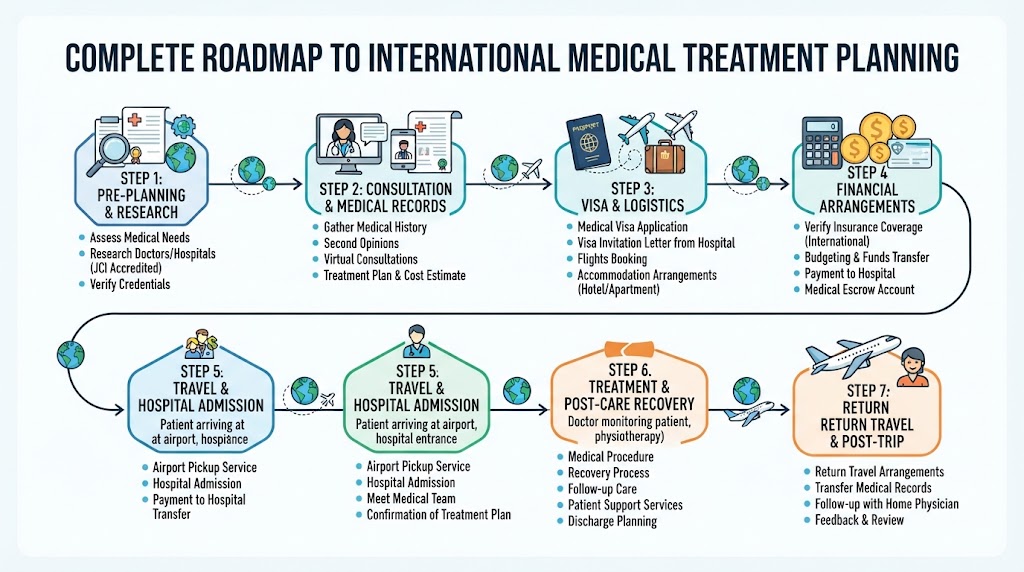
Embarking on a healthcare journey beyond national borders requires thoughtful preparation and a balanced view of many moving parts. Rushing into decisions involving surgery or specialized care can overlook vital details that influence both physical recovery and peace of mind. A successful medical voyage integrates proper medical evaluations, financial clarity, logistical arrangements, and ongoing recovery coordination. By weighing these diverse elements thoroughly, individuals and their families can navigate international healthcare landscapes with greater confidence. Professional medical guidance and reliable research platforms like MyMedicPlus.com can significantly ease this exploratory phase, helping patients connect with trustworthy hospital and specialist details.
Understanding International Medical Treatment Planning
International healthcare planning encompasses much more than booking a flight and a hospital bed. It requires a comprehensive approach where individuals assess their specific clinical requirements alongside facility capabilities, geographic distances, and cultural environments. When looking abroad for care, patients frequently evaluate specialist availability, language support systems, and the continuity of care once they return home. Recognizing these wide-ranging factors early helps prevent unexpected complications and ensures a smoother, more organized experience from initial inquiry to final recovery.
Start With a Clear Understanding of the Medical Condition
Before exploring foreign hospitals or different countries, individuals benefit immensely from grasping the exact nature of their health diagnosis. Reviewing medical history, previous treatments, current prescriptions, and latest diagnostic imaging provides a solid foundation for any upcoming consultations. When specialists have access to complete and accurate clinical summaries, they can evaluate individual cases much more effectively and offer realistic treatment insights. Taking time to understand the root condition also allows patients to ask informed questions during early discussions with healthcare providers.
Keeping Medical Records Ready
Organizing all relevant clinical documentation ahead of time streamlines communication with international doctors and facility coordinators. Essential records typically include pathology reports, laboratory results, radiology scans, surgical summaries, and detailed medication lists. Having these files sorted digitally or in physical folders ensures that overseas medical teams can review the patient history without unnecessary delays. This proactive step demonstrates preparedness and helps medical staff formulate precise evaluations promptly.
Choosing the Right Doctor
Selecting a qualified medical specialist involves looking closely at their professional background, years of practice, and specific focus areas. Patients often explore whether a doctor has extensive experience treating conditions similar to their own and what hospital affiliations they hold. It is also helpful to consider their communication style, willingness to answer questions, and consultation availability. Engaging with an experienced clinician who listens attentively fosters trust and collaboration throughout the medical journey.
Comparing Hospitals
Hospital selection deserves careful attention, extending far beyond basic infrastructure to encompass specialized departments, diagnostic tools, and emergency support systems. Reviewing recognized quality accreditations, international patient services, and language assistance can reveal a facility’s commitment to global standards. Dedicated nursing care, modern operating theaters, and robust intensive care units are vital markers of a well-equipped medical center. Prioritizing these institutional strengths ensures that patients receive comprehensive, high-standard care in a safe environment.
Understanding Available Treatment Options
Medical science frequently offers multiple pathways to address a single condition, ranging from minimally invasive procedures and targeted medications to advanced surgical interventions. Treatment choices depend heavily on individual diagnosis, overall health status, and specialist recommendations. Examining these alternatives helps individuals comprehend why a particular path is suggested and what goals the medical team aims to achieve. Final treatment decisions should always be reached in direct consultation with qualified healthcare professionals after a thorough clinical review.
Comparing Medical Treatment Destinations
Different countries and cities offer distinct advantages for medical travelers, including renowned medical hubs, specialized centers of excellence, and supportive tourism infrastructure. Evaluating destinations involves looking at travel accessibility, local climate, cultural familiarity, and the availability of translators or dedicated patient coordinators. Furthermore, understanding the local transportation network and proximity of accommodation to the hospital makes day-to-day logistics much simpler during the stay.
Understanding the Complete Cost of Treatment
Financial preparation requires looking past the initial procedure quotation to account for every potential expense associated with the medical journey. Comprehensive budgeting typically factors in doctor consultation fees, diagnostic investigations, hospital room charges, pharmacy costs, and potential extended stays. Additionally, travel fares, local lodging, meals, and companion expenses contribute significantly to the overall financial picture. Being aware of these variables prevents unexpected financial strain and allows for realistic budgeting.
Getting a Clear Treatment Estimate
Requesting a detailed, itemized financial estimate from the chosen hospital before departure is an essential practice for financial transparency. Such estimates should clearly outline what is covered, including surgeon fees, anesthesia costs, standard nursing care, and basic supplies. Patients should also inquire about policies regarding unforeseen complications or extended hospitalizations that might alter the final billing. Having clear written communication minimizes misunderstandings and clarifies financial expectations from the outset.
Planning Travel and Accommodation
Organizing travel logistics requires careful synchronization with the medical schedule provided by the treating facility. Valid passports, medical visas, suitable flight itineraries, and pre-arranged airport transfers form the backbone of a stress-free journey. Selecting accommodation located close to the hospital reduces travel fatigue for recovering patients and their companions. Factoring in dietary preferences, climate differences, and local communication tools further enhances overall comfort abroad.
Preparing for the Hospital Visit
Stepping into a foreign medical facility becomes much easier when administrative and personal items are neatly organized. Carrying printed copies of medical reports, identification papers, insurance documents, and a current medication schedule ensures smooth admission processes. Keeping emergency contact numbers and correspondence from the treating physician accessible in both digital and physical formats provides added reassurance during initial hospital visits.
Planning Recovery and Follow-Up Care
Healing does not end the moment a patient is discharged from the hospital; structured post-treatment care is vital for lasting recovery. Understanding expected recovery milestones, physical activity restrictions, wound care guidelines, and prescription regimens is crucial before leaving the facility. Establishing how remote follow-up consultations will occur once back home ensures continuity of care and lets local healthcare providers coordinate seamlessly with the international team.
Common Challenges Patients Make and How to Manage Them
Navigating foreign healthcare systems can sometimes introduce hurdles such as language barriers, unfamiliar administrative processes, and unexpected logistical changes. Preparing in advance by utilizing translation services, confirming appointment details twice, and maintaining open communication with patient coordinators can resolve most issues swiftly. Remaining flexible and patient-focused helps transform potential challenges manageable adjustments during the journey.
International Medical Treatment Planning Checklist
| Planning Area | What Patients Should Review |
| Medical Records | Diagnosis, reports, scans, prescriptions, and treatment history |
| Doctor | Specialization, relevant experience, and consultation |
| Hospital | Facilities, services, specialists, and quality standards |
| Treatment | Available options, expected duration, and care requirements |
| Cost | Treatment, hospital, medicine, travel, and additional expenses |
| Destination | Accessibility, communication, and patient support |
| Travel | Visa, flights, transportation, and accommodation |
| Follow-Up | Post-treatment consultations and ongoing care |
Questions to Ask Before Choosing Treatment Abroad
- Has a qualified specialist reviewed my medical records?
- What treatment options may be available?
- What is included in the estimated cost?
- Could additional expenses arise?
- How long might treatment take?
- How long may I need to stay?
- What documents should I bring?
- What follow-up care will be needed?
- Who should I contact if I need assistance after returning home?
How MyMedicPlus.com Can Support Patients
Researching international healthcare can feel overwhelming, but dedicated informational resources can simplify the early stages of discovery. Platforms like MyMedicPlus.com assist readers by offering structured insights into global hospitals, specialized doctors, treatment destinations, and general planning considerations. By gathering detailed information in one convenient space, individuals can compare options efficiently and formulate targeted questions for healthcare providers. This platform serves purely as a research and discovery aid and is designed to complement, rather than replace, professional medical advice.
Important Factors at a Glance
| Factor | What to Look For | Why It Matters |
| Doctor | Relevant specialization and experience | Helps patients identify suitable expertise |
| Hospital | Facilities and specialist services | Supports informed hospital selection |
| Treatment | Available medical options | Helps patients understand possible choices |
| Cost | Complete estimated expenses | Helps with financial planning |
| Destination | Accessibility and patient support | Makes medical travel easier to organize |
| Recovery | Follow-up and ongoing care | Supports continued treatment after returning home |
Making an Informed Treatment Decision
Bringing all research components together allows individuals to evaluate their options objectively before committing to travel. Balancing clinical expertise, hospital standards, total expenses, and personal comfort ensures that the final choice aligns closely with individual health goals. Consulting trusted family members and discussing findings with local healthcare professionals adds valuable perspective. Ultimately, a well-informed decision reflects a harmonious blend of careful preparation, realistic expectations, and expert medical guidance.
Frequently Asked Questions
1. What does international medical treatment planning involve?
It involves researching medical conditions, organizing clinical records, evaluating international doctors and hospitals, estimating total costs, arranging travel logistics, and planning post-treatment recovery care.
2. Why is planning important before travelling for medical treatment?
Proper planning helps ensure clinical suitability, prevents unexpected financial burdens, streamlines travel logistics, and supports a smoother recovery process abroad.
3. How can patients choose a suitable doctor abroad?
Patients can review a specialist’s medical qualifications, professional experience, hospital affiliations, patient reviews, and communication style during virtual or initial consultations.
4. What should patients check when comparing international hospitals?
Key aspects include accreditation standards, advanced diagnostic and surgical facilities, specialist team expertise, emergency support capabilities, and dedicated international patient services.
5. How can patients understand the complete cost of treatment abroad?
By requesting detailed itemized estimates that cover doctor fees, hospital stays, diagnostics, medicines, travel, accommodation, and potential follow-up care expenses.
6. What medical records should patients prepare before travelling?
Essential records include recent diagnostic scans, laboratory test results, pathology reports, surgical summaries, doctor referral letters, and detailed current prescription lists.
7. What factors should patients consider when comparing treatment destinations?
Important factors include medical infrastructure, specialist availability, travel convenience, visa requirements, language support services, and overall local safety.
8. What should patients arrange before travelling for medical treatment?
Travelers should secure valid passports, medical visas, confirmed flight tickets, accessible lodging near the hospital, and organized copies of all medical documentation.
9. Why is follow-up care important after treatment abroad?
Follow-up care ensures proper healing, monitors recovery milestones, manages post-treatment medications, and allows local physicians to coordinate seamlessly with treating overseas specialists.
10. How can MyMedicPlus.com help patients research international treatment options?
The platform helps users explore global healthcare providers, compare hospital facilities, understand specialist backgrounds, and gather useful information to guide their medical research journey.
Final Thoughts
Navigating international healthcare options is a significant undertaking that thrives on deliberate preparation and realistic perspective. Evaluating specialist expertise, facility capabilities, and financial commitments carefully safeguards both health and well-being. Keeping travel logistics and post-treatment recovery needs in view ensures that the entire medical journey remains structured and manageable. Professional clinical counsel should always remain central to any healthcare choice, keeping safety and personalized needs at the forefront. Through thoughtful research and supportive resources like MyMedicPlus.com, patients can approach their international treatment path with greater clarity and reassurance.