Healthcare has never been a static industry. Every decade introduces new technologies, new treatments, and new ways of delivering care. While medical breakthroughs often capture the headlines, many of the changes that influence healthcare happen gradually through improvements in how professionals work, learn, and interact with patients.
The next ten years are likely to continue this pattern. Healthcare organizations are paying greater attention to several factors that range across all levels of the industry. In this article, we’ll look at three trends that are likely to become increasingly important over the coming decade.
#1. Improvements in Provider Well-Being
Healthcare professionals have long worked under demanding conditions, but many organizations are beginning to recognize that supporting clinicians is essential for maintaining quality care. Healthcare systems are increasingly examining the workplace conditions that contribute to stress. This is in contrast to viewing burnout as something individuals simply need to manage on their own.
As a result, administrative burdens, inefficient workflows, staffing shortages, and excessive documentation are all areas receiving greater attention. Thus, one of the biggest trends we can hope to see continue is a reduction in burnout.
As one report from the AMA points out, physician burnout was at 41.9% in 2025. That was still quite high, but it represents a steady decline. In 2023, burnout figures were as high as 48.2. Likewise, job stress sat at 50.7%. The AMA believes that this improvement is due to the structured well-being initiatives being taken to create system-level changes in physician work-life.
So, as healthcare organizations continue refining these initiatives, provider well-being may become a regular part of operational planning. Technology also has a role to play. Administrative automation and better digital workflows have the potential to reduce repetitive tasks that consume valuable time. While no single solution will eliminate burnout entirely, a combination of organizational changes and smarter technology could help.
#2. Changes to Medical and Clinical Training
Everyone knows how fast the healthcare industry moves when it comes to knowledge. New treatments, updated clinical guidelines, and emerging technologies require clinicians to keep learning. This makes continuous education increasingly valuable throughout a professional’s career. In this context, digital learning platforms have made that process considerably more accessible than it once was.
As data from Grand View Research shows, the global healthcare e-learning services market size was worth over 11.10 billion in 2024. This is expected to grow at a 14.58% CAGR to reach $24.45 billion by 2030. Clinical training modules were unsurprisingly the segment that dominated the industry, taking 61.68% of the market share.
Today, there are even nurses who choose to upskill and end up taking dual NP programs online. That would have been unheard of three decades ago. Over the next decade and beyond, this level of accessibility will continue to increase.
As Rockhurst University notes, in addition to the coursework in such programs being online, they often include placement support as well. To top it off, they equip learners to specialize in two niches, such as family nursing and adult-gerontology acute care.
This is all part of a bigger shift in how we handle professional training. Between online courses, virtual simulations, and flexible schedules, healthcare professionals can pick up new skills without having to step away from their patients. One day, perhaps, learning will just become a normal part of the daily routine, helping hospitals and clinics adapt to changes on the fly.
#3. Even More AI Integration
Artificial intelligence has quickly become one of the most discussed technologies in healthcare, although its future role is likely to be more practical than sensational. Rather than replacing doctors or nurses, AI is increasingly being used to support decision-making, reduce administrative workloads, and organize large amounts of clinical information.
As these tools continue to improve, they are expected to become part of routine healthcare operations across many specialties. Of course, any conversation about AI in healthcare makes many feel rightfully uneasy today. However, given how fast AI improves, present models might appear primitive when compared to offerings in 2036 and beyond.
As one report from Gallup shows, 25% of Americans have already used AI tools for health information or advice. Likewise, 14% appear to skip doctor visits after consulting with AI. Thankfully, people do seem to be aware that the AI of today isn’t a replacement for actual visits to the doctor. (Only 4% of people ‘strongly trust’ what AI tells them in this context.)
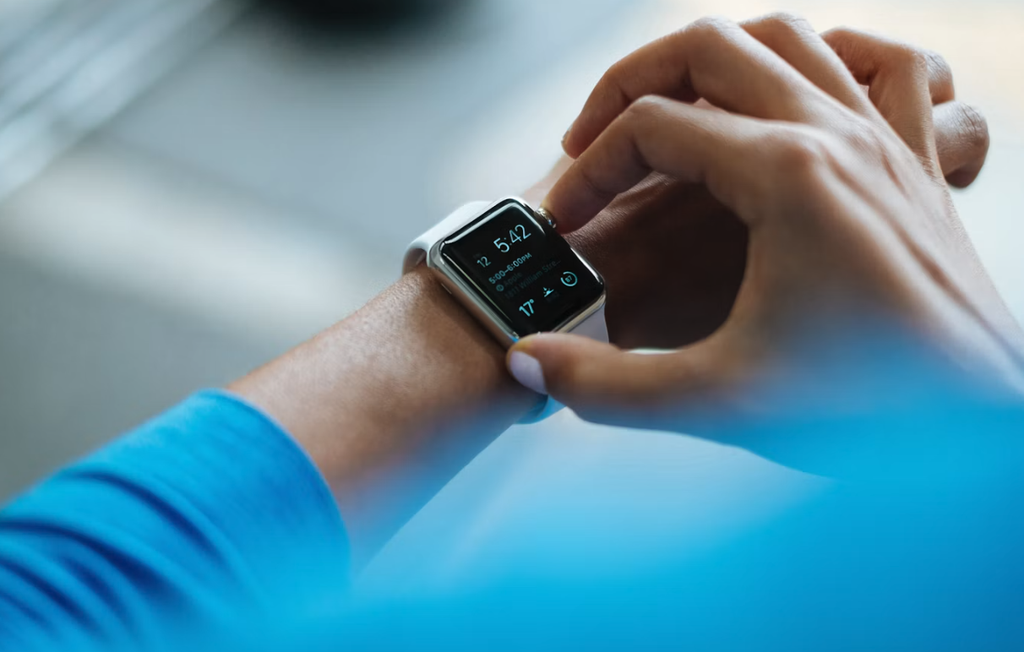
The biggest potential comes from integration with wearable devices, though. According to Dr. Nichole Young Lin, wearable tech is like a treasure chest that hasn’t been unlocked. She believes that the information it collects, when combined with AI, could be the key to actionable insights.
AI could help identify meaningful patterns that support earlier interventions and more personalized care. Naturally, success will depend on responsible implementation, strong privacy protections, and ensuring that healthcare professionals remain central to clinical decision-making.
Frequently Asked Questions
How are wearable devices improving preventive healthcare?
Wearable devices allow people to track health metrics like heart rate, sleep quality, physical activity, and even irregular heart rhythms. This continuous stream of data can help identify potential health concerns earlier, giving both patients and healthcare providers the opportunity to take action before conditions become more serious.
Why is physician burnout considered a patient safety issue?
Burnout can affect a physician’s focus, decision-making, and overall well-being, especially during long or demanding shifts. When healthcare professionals are mentally and physically exhausted, the risk of communication mistakes, medical errors, and reduced quality of care can increase, making patient safety an important concern.
What new skills will healthcare workers need in the future?
Healthcare workers will increasingly need digital literacy alongside their clinical expertise. Understanding AI tools, interpreting data from wearable devices, adapting to new technologies, and communicating effectively with patients about digital health resources are all likely to become valuable skills in modern healthcare.
Key Numbers & Facts at a Glance
| Physician burnout rate decline | 6.3% drop between 2025 and 2023 |
| Physician job stress | 50.7% |
| Percentage of Americans who have used AI for health information or advice | 25% |
| Americans who “strongly trust” AI for health advice | 4% |
| Global healthcare e-learning services market size | $11.10 billion |
| Online clinical training modules market share | 61.68% |
Healthcare isn’t going to change overnight because of one massive medical breakthrough. Instead, the next decade will be about a lot of smaller, meaningful improvements working together. Supporting doctors and nurses keeps the workforce healthy and flexible; e-learning helps them stay sharp, and responsible AI can make everything run smoother.
We often think of the future of medicine in terms of robotic surgeries and miracle drugs. However, the most profound changes are happening behind the scenes. The next decade is our chance to fix the infrastructure of care. If we get it right, we will end up with a healthcare system that is not only technologically advanced but also deeply sustainable.