A hiring manager needs an analyst for six months. Procurement knows which staffing agencies can supply one. HR needs a record of who starts, IT needs an end date for system access, and accounts payable needs approved hours to validate the invoice. The cost of coordinating those facts rises quickly when each team keeps its own version.
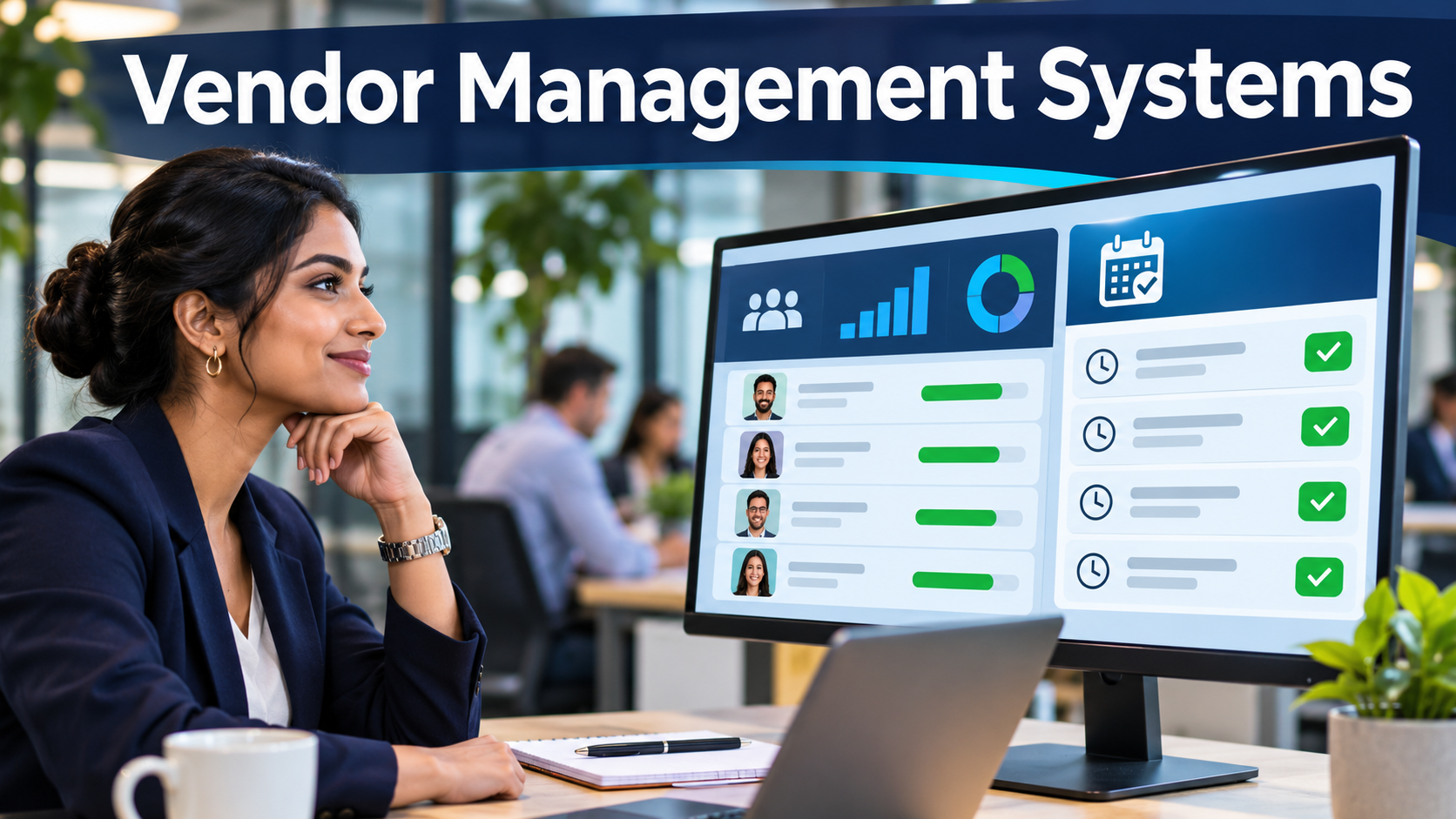
In contingent staffing, a vendor management system, or VMS, helps organizations manage external labor supplied through agencies and other service providers. The term can also refer more broadly to tools for managing supplier records. Confirm which meaning a vendor uses before you compare products. A staffing VMS should be evaluated through a worker assignment, from the initial request through invoicing and offboarding.
Begin with the request that suppliers actually receive
An effective requisition gives suppliers enough information to propose an appropriate worker and gives the buyer enough information to authorize spending. It might identify the location, required skills, expected schedule, assignment length, and applicable rate constraints. Buyers should establish who can submit requests and which approvals must happen before external distribution.
Bring a requisition with realistic complications to the demonstration. For example, the work starts at one location but may move to another after a month. The hiring manager wants two suppliers to respond, and a third supplier should only see the request if nobody can fill it. Ask how suppliers learn about changes, whether they can see one another’s submissions, and what information the hiring manager can edit after approval.
Check whether the system can explain why a requisition reached a given supplier. Regional agreements, categories, preferred supplier tiers, and capacity can affect distribution. If a manager overrides the policy, record who approved the exception and why. The organization should be able to answer questions about supplier access without reconstructing an email trail.
Follow the person from selection to start
After a manager selects a worker, the assignment needs an identity that survives later changes. Use stable worker and assignment identifiers where possible. A person may work on several projects over time, and the same supplier may submit two people with similar names. The VMS, IT provisioning tools, and financial system need a consistent way to refer to each assignment.
Decide which onboarding facts belong in the VMS and which belong in HR, security, or a separate verification service. Share the minimum necessary information across these systems. One team may need to know that a check was completed, while the underlying evidence may need to remain in a restricted environment. Test what appears to the supplier, hiring manager, program office, and worker.
Next, postpone the start date or cancel the assignment. See whether other systems receive the change and whether someone can identify an access request created against the earlier start date. The ability to create a clean assignment is only half the onboarding test. Changes before start often reveal weak links between the VMS and the systems that act on it.
Use timesheets and invoices to test financial fit
A common staffing workflow pays for approved time. A worker submits hours, a manager reviews them, and the result supports an invoice or settlement process. The actual calculation may depend on the role, agreed bill rate, effective date, location, or permitted expense. Those details should remain tied to the assignment version relevant to the work performed.
Use a real example with a timesheet correction and a mid-assignment rate change. Have a manager approve the first version and then reopen or adjust it using the organization’s normal process. Ask how the system preserves the previous approval and reconciles the difference after invoicing. Check that the transaction can be linked back to the relevant purchase order, cost center, supplier, and assignment.
A statement of work, or SOW, can involve a different payment model. An engagement priced against milestones may require acceptance of a deliverable before payment. Some engagements mix time and fixed charges. SAP Fieldglass documents workflows for contingent labor and services. Use examples from your own program to check how the proposed setup handles both and where buyer or supplier teams must do extra work.
Decide who operates the program
Organizations may run their program internally or work with a managed service provider, often called an MSP. The VMS provides workflow and records. The MSP can provide people and operating services. Buying both as a package can simplify coordination, but the organization should know who configures policies, communicates with suppliers, resolves exceptions, and owns reporting.
Ask how suppliers and hiring managers get support. A supplier submitting an invoice adjustment may need help from someone who understands both policy and the software. Check escalation routes and response expectations. If the provider changes, ask whether the organization can retain configuration, supplier history, and approval records in a usable format.
Evaluate fees alongside the administration involved. A program can incur implementation costs, integration work, and ongoing charges tied to usage or services. Ask who pays each charge and how it appears in reports. Compare the total program cost against the amount of manual reconciliation and coordination the new workflow removes.
Give offboarding the same attention as onboarding
An assignment end date can trigger access removal, asset return, final time approval, and knowledge transfer. A worker who stays for a legitimate extension may need uninterrupted access. A worker who leaves earlier than planned may require action before the scheduled date. Test both scenarios.
A renewal or extension should show the responsible approver, updated dates, and any changes to rates or scope. Verify that the downstream systems receive the final authorized change. Keep closure tasks visible until owners confirm completion. The assignment status and the status of its individual offboarding tasks serve different reporting purposes.
Start a pilot with one staffing category, several suppliers, and an assigned program owner. Follow a request through a corrected timesheet and an early departure. Ask managers, suppliers, finance, and IT to explain which record they used at each step. A VMS that makes those answers consistent is solving a problem your team will encounter every week.