Introduction
A customer pays online, sees a blank page, and tries again. The merchant later discovers that the first attempt succeeded and the second also reached the processor. The checkout looked finished in a demonstration because the vendor showed an approval. The production test needed to show what the merchant does when approval arrives and the customer never sees it.
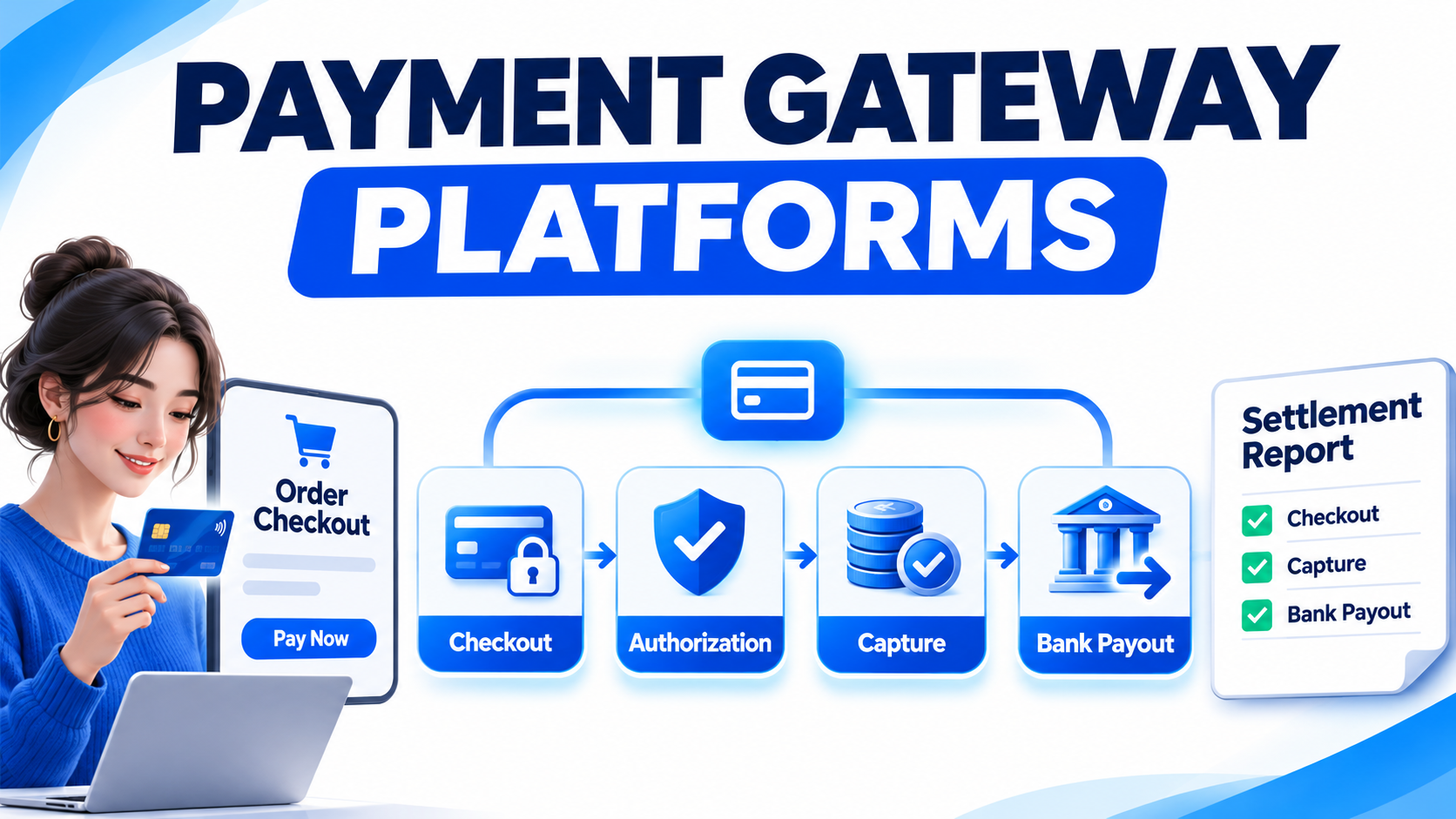
Payment gateway platforms connect a merchant’s checkout to payment services. Depending on the provider, the gateway may be sold with processing and acquiring or work with an existing arrangement. The buyer should look at the complete payment lifecycle, from collecting payment details to reconciling funds and handling refunds. That view helps separate the cost of accepting a transaction from the cost of supporting it afterward.
Decide how much checkout the merchant needs to control
A hosted checkout sends the customer to a payment experience operated by the provider. It can reduce integration work and give the merchant a maintained interface for supported payment methods. Review how the customer returns to the store, how branding and languages work, and what happens when an order expires while the hosted page is open.
Embedded payment fields let the merchant keep more of the purchase experience on its own page while a provider handles sensitive input through its components. This approach gives the merchant more control over page layout and surrounding behavior. It also adds work for integration testing and for understanding which parts of the page the merchant operates. A fully custom approach can provide further control and may expand the merchant’s obligations and maintenance effort.
Validate the PCI DSS assessment approach with the acquirer or qualified advisers where appropriate. The PCI Security Standards Council distinguishes eligibility for different self-assessment questionnaires based on how the payment page is delivered and other applicable criteria. A provider’s compliant service is one part of assessing the merchant’s implementation. PCI SSC guidance on SAQ eligibility
Give the order and the payment their own states
An order can be open, fulfilled, canceled, or returned. Its payment can be awaiting authentication, authorized, captured, pending, refunded, or disputed. These lifecycles intersect, but they are separate. For example, an order with two shipments may need partial capture if the gateway, processor, and merchant arrangement support it. An authorization alone does not establish that the merchant has captured the funds.
Design the integration around provider-confirmed state. A customer’s return to a confirmation page is useful to the customer, but it can fail or arrive before a final result. The merchant needs a way to receive and verify status events, query a payment when necessary, and apply each event once. Test late and duplicate events and check that fulfillment rules behave as intended.
A stable order reference and payment attempt reference simplify recovery. When an operation times out, the merchant should be able to establish whether the provider received it before creating another attempt. Ask whether the gateway documents duplicate prevention for the exact operations the merchant uses. Verify the behavior for refunds and captures as well as initial payments.
Choose payment methods by operating needs
Availability depends on factors such as merchant location, settlement currency, customer market, and provider arrangements. A method listed on a feature page may work only for eligible entities or specific transaction types. Build a list of required methods by market and verify one-time purchases, recurring charges, refunds, and reporting for each.
Some methods confirm later than a card transaction. If the business sells scarce inventory, decide how long it can hold an item while a payment remains pending. If it delivers digital goods, specify the evidence required before granting access. When a method cannot support the merchant’s refund workflow, identify whether that limitation is acceptable and how support would explain it to customers.
For saved payment methods, ask what a stored token represents, where it can be used, and what happens during migration. A token can be scoped to a provider, merchant account, or other configuration. A business with recurring payments should review export or migration options before committing, including dependencies on the receiving provider.
Read the settlement report before signing
The merchant needs to connect individual captures and refunds to amounts deposited at the bank. Deposits may combine transactions and subtract fees, refunds, adjustments, or reserves. Ask for realistic report samples and have finance reconcile a small group of transactions to an example payout. Include a partial refund and a transaction in another currency where applicable.
Check when reports are available, how corrections appear, and whether an export includes stable transaction references. A dashboard total is useful for monitoring. It may be insufficient for an accounting team trying to explain a discrepancy across several days. Include reporting access and retention in the evaluation, particularly for businesses that rely on a platform for disputes after a payment has settled.
Compare total costs using actual transaction sizes and product mix. Consider fees for processing, cross-border activity, currency conversion, refunds, disputes, and any separate gateway or platform charges. Factor in staff time spent on exceptions. A pricing comparison should use the same assumptions about refunds, payment methods, and markets for each candidate.
Put support in the payment pilot
Ask customer support to handle a test case where a customer sees a pending card entry and the order remains unpaid. They should be able to find the attempt, see the available evidence, and describe the next step. Then test a duplicate request, an expired authorization, a partial refund, and a payout discrepancy. Invite finance and fulfillment teams to work from their own systems rather than the vendor’s demonstration console.
For implementation, verify which test scenarios the provider can simulate and which need controlled production validation. Plan how the merchant will identify delayed events and reconcile ambiguous transactions. Define who contacts the provider and what identifiers support needs to investigate.
A gateway should be evaluated on whether the merchant can explain a payment from the customer’s first attempt through the bank deposit. The test can start with a checkout form. It should end with the order, payment history, and accounting records telling the same story.