A founder sends an ownership summary to counsel before a financing. Counsel asks why the option pool differs from the last set of board approvals. The finance team finds two spreadsheets, each with a plausible total. What it needs is the history of grants, cancellations, exercises, and pool changes that produced the current number.
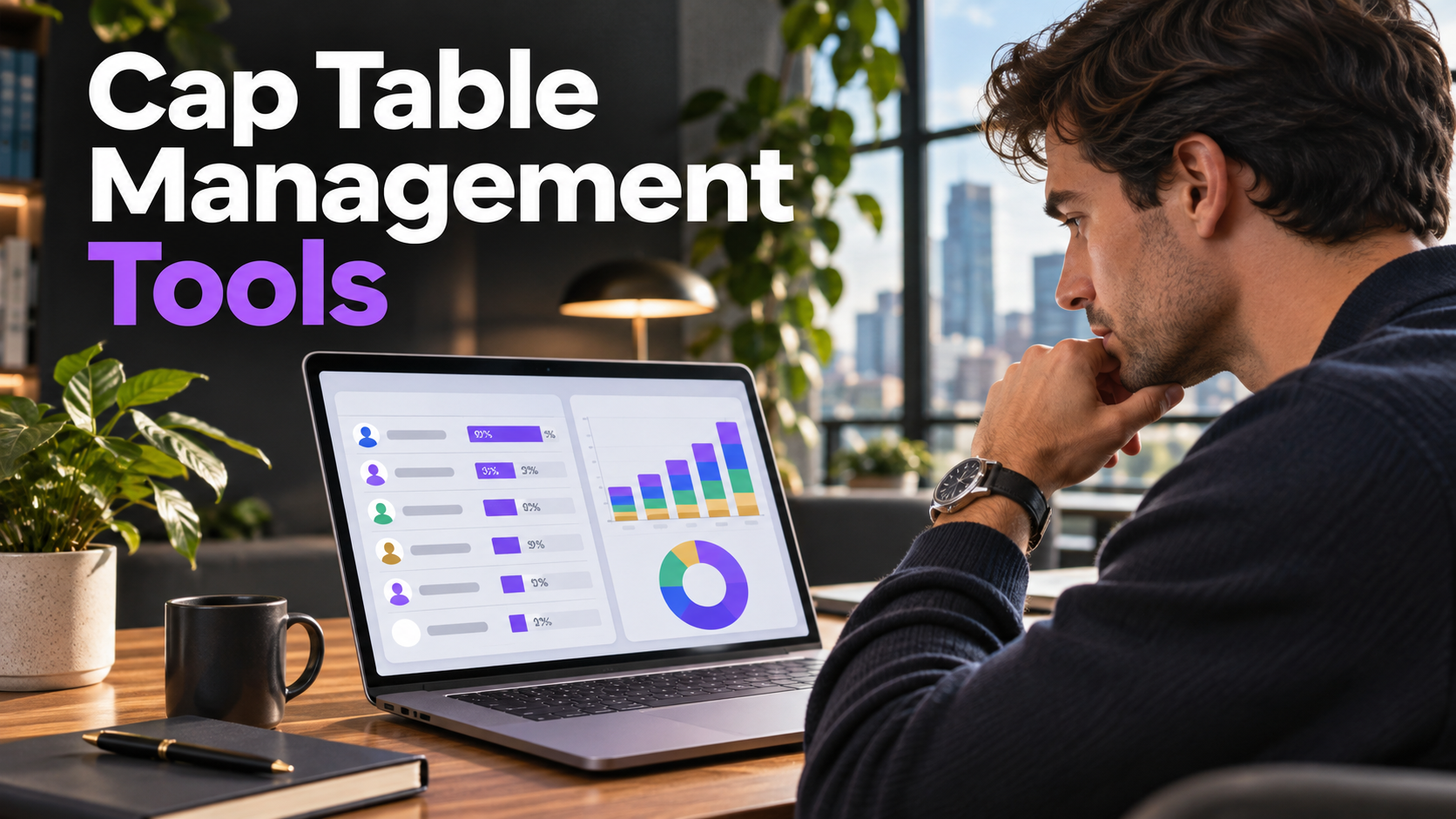
A capitalization table summarizes how an organization’s equity is held and can represent instruments that may turn into equity. Cap table management tools maintain ownership and transaction data, support equity administration, and may help model financing scenarios. The most useful distinction in a purchase is between the record of completed events and the model of possible events. Both need clear definitions and supporting evidence.
Start with the records that substantiate ownership
Collect governing documents, approvals, grant records, and relevant transaction documents. Decide who can interpret them and confirm the opening balances. An import can transfer rows quickly, but the organization still needs to reconcile totals and investigate conflicting information. Keep a record of unresolved items rather than forcing them into a single clean-looking number.
Use stable identifiers for holders and transactions. A holder’s name or email can change. The record should still connect the same person or entity to the right instruments. Check what happens when an investor holds interests through multiple entities or when an employee changes their contact details after leaving.
Ask the vendor to show a transaction history as of a prior point in time. A finance team may need to explain what the cap table looked like before a pool expansion or before a conversion. Compare the totals with the supporting documents available then. Make sure later adjustments remain visible without obscuring the version used for a previous decision.
Be precise about ownership denominators
The question “What percentage does this person own?” needs a denominator. An issued and outstanding view can differ from a fully diluted view that includes certain options, reserves, or securities under defined assumptions. The relevant definition depends on the analysis and the governing terms. Require the platform to show which view is in use and what it includes.
Consider a hypothetical company with 900 issued shares and a pool of 100 unissued shares. A holder with 90 issued shares has 10% of issued shares. If a particular planning view includes the entire pool in its denominator, that same holding represents 9% in that view. Both percentages can be calculated correctly. They answer different questions and should be labeled clearly in every export.
Give the vendor a similar case and ask them to reproduce it in several views. Then add an outstanding grant and model a cancellation. Check whether the pool reserve and grant are counted in accordance with the selected methodology. A clear report should show the numbers behind the percentage so a reviewer can catch double counting.
Follow one grant across its lifecycle
Have an administrator enter an approved grant with a documented vesting schedule. Ask an employee to view the information intended for them. Then simulate a departure and an exercise or cancellation, using terms chosen for the test. Verify which approvals and records are required and what the employee, administrator, and reviewer can each see.
Some organizations need self-service for a large workforce. Others need a dependable administrator view and reliable exports to advisers. Ask what actions holders can initiate, who confirms completion, and how the platform records the result. A notification that somebody requested a change has a different meaning from a completed transaction reflected in ownership records.
Employee equity administration can raise jurisdiction-specific questions. Check the proposed software against the actual instruments and processes the company uses, and involve qualified advisers where treatment depends on local law or plan terms. Ask the vendor which forms or workflows it supports in the relevant regions. Avoid relying on a general statement that the product serves international companies.
Keep financing scenarios reproducible
Scenario modeling helps a team compare how different transaction assumptions affect ownership. Carta advertises modeling for funding rounds and instruments such as SAFEs, with scenarios based on cap table data. Check the proposed product against your own instrument terms and involve counsel or finance in validating the calculation.
Build a baseline, then change one assumption at a time. For example, compare a financing with and without a pool expansion under the assumptions selected for the model. Show which holders are affected, how the ownership denominator changes, and what inputs produced the result. When several instruments convert, ask whether reviewers can trace the calculations and export the assumptions.
Ask how working scenarios are shared and whether someone can accidentally treat an unapproved scenario as the live table. Preserve both the approved source data and the assumptions used for a decision. A model is easier to review when someone else can reproduce it without asking its author which values were entered.
Evaluate access and portability before the next transaction
| User | Typical need to verify |
|---|---|
| Employee or holder | View their own instruments and relevant documents |
| Equity administrator | Enter approved events and reconcile the transaction record |
| Finance or counsel | Inspect historical balances and supporting evidence |
| Investor or diligence reviewer | Receive an authorized snapshot at the appropriate level of detail |
Test exports for each relevant audience. A summary PDF can help with a meeting. A transaction-level export and linked documents can support a deeper review. Ask how exports represent vesting schedules, historical actions, and references to approved documents. Check what you can retrieve if you end the subscription or move to another system.
A carefully controlled spreadsheet can be sufficient when the ownership structure is simple, events are infrequent, and a second reviewer can verify changes. Specialized software becomes more attractive as grants, holder access, and financing scenarios create repeated work. Compare the cost of the platform with the time required to maintain and reconcile the records under each approach.
Use the discrepancy that first prompted the search as the pilot case. Have the vendor recreate the history, reconcile the current figure, and produce the view needed for counsel. A tool that makes every material change explainable will be easier to trust during the next financing.