Introduction
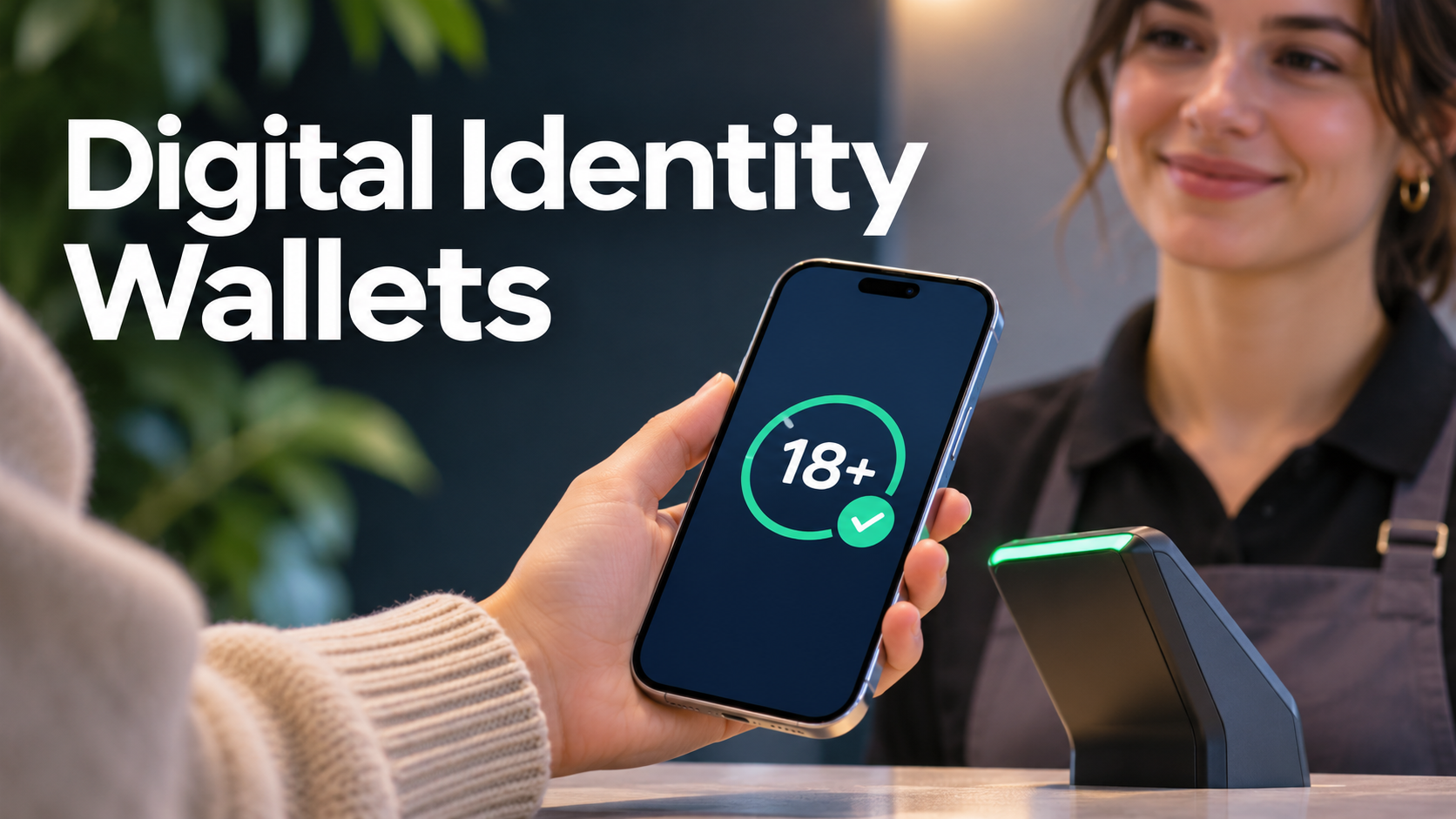
A customer needs to show that they meet an age requirement. A conventional identity check might ask them to upload a complete document, including their address and exact date of birth. A digital identity wallet can support a narrower exchange when the credential and verifier are designed for it. The customer can present the relevant claim, and the verifier can check the source and integrity of what it receives. The quality of that exchange depends on what each participant requests, accepts, and retains.
Digital identity wallets help people or organizations receive, store or manage, and present digital credentials. The wallet is one participant in the system. An issuer makes a claim, a holder presents it, and a verifier applies its own acceptance policy. The W3C Verifiable Credentials Data Model describes that ecosystem. A wallet project needs a clear account of what the issuer attests, what the holder can share, and what the verifier can conclude from the resulting proof.
Design the acceptance decision first
Choose one transaction and write down the minimum evidence required. A building operator may need proof of current access eligibility. A licensing organization may need to verify a specific qualification and expiry date. A service with an age restriction may need only an age threshold. The wallet experience should reflect that decision, including which issuers qualify and what the service does when a credential cannot be verified.
Cryptographic verification answers questions about the credential and its securing mechanism. The service still needs to decide whether it trusts the issuer for that purpose and whether the credential is current and relevant. An authentic credential for one role may be insufficient for another. Keep the verifier’s policy explicit so that a successful technical check does not obscure the business decision.
Show the user who is requesting information and what will be shared. Test the display with someone who has never seen the wallet. They should be able to identify the service, understand the data request, and decline or choose an alternative if the workflow permits it. A technically valid request can still ask for more data than the transaction requires.
Test selective disclosure at the claim level
Selective disclosure lets a holder present a subset of information where the format and proof mechanism support it. Some programs issue a claim such as “over the required age,” which can be shared without exposing the exact date of birth. Other formats let a holder disclose selected attributes from a broader credential. Buyers should determine what their specific combination of credential, wallet, and verifier actually supports.
Inspect the data the service receives and stores. A screen that shows one field can coexist with logs that retain more information. Review analytics, error logs, and support exports along with the main application. Ask whether identifiers in multiple presentations can let parties link them and whether your use case requires such linkage.
Think through status checks as well. A verifier may need to know whether a credential is expired, suspended, or revoked. Establish where it gets that information, what it sends during the lookup, and how it behaves if the source is temporarily unavailable. An in-person workflow that must work without a network needs a clear rule about how recent the verifier’s status information must be and what happens when it ages out.
Check the combination of format, protocol, and policy
Claims about support for open standards are a useful starting point. Compatibility depends on the details. A credential data model expresses information about claims and proofs. A presentation protocol moves the relevant information between the wallet and verifier. The trust framework tells a verifier whose credentials to accept and under which conditions. The pieces can vary independently.
The OpenID Foundation’s OpenID for Verifiable Presentations specification defines a presentation protocol. When comparing wallets, name the credential formats, protocol profile, device flow, and verifier implementation the project will use. Test the exact combination with an issuer and verifier outside the vendor’s own demonstration environment. A platform that works across its own components may require additional configuration or integration for another ecosystem.
Include cross-device and same-device journeys if both matter. A person can start a request on a computer and complete it on a phone, or use one device throughout. Observe what happens if they return to a stale request, change applications mid-flow, or receive a request from an unrecognized verifier. Check whether the person can recover without accidentally presenting a credential to the wrong service.
Try replacing the phone before launch
Device loss and replacement reveal important choices about control. A wallet can use device-held keys, recovery mechanisms, cloud-assisted storage, or issuer reissuance, depending on its architecture. Ask where keys live, what the backup contains, and what the provider or issuer can do on behalf of a user. Recovery should satisfy the service’s security needs while remaining feasible for ordinary people.
Run a lost-device exercise. Have the user replace the phone, regain access where supported, and present a credential. Check what happens to the old device and whether the issuer can invalidate or replace the prior credential where appropriate. A recovery flow that depends on the same device being present will fail in the scenario that matters most.
Include users who share a device, lack a compatible phone, or need an accessible alternative. Test screen-reader use and navigation where relevant. For an essential service, define a path for users who cannot complete the wallet exchange. That path affects actual access and gives support staff a sensible response when interoperability or recovery fails.
Measure a full transaction with independent participants
A useful pilot starts with issuance, continues through a real presentation, and ends with the verifier’s recorded decision. Add an expired credential, an unavailable status source, and a device replacement. Ask the issuer, holder, and verifier to explain what they saw and which information they retained.
Compare the costs of enrollment, integration, support, and reissuance. Include onboarding for issuers and verifiers if the project depends on organizations joining the ecosystem. Pay particular attention to what happens when an issuer or wallet provider leaves. A credential can remain in a person’s possession while becoming difficult to verify if its trust information or supporting infrastructure is unavailable.
The strongest evidence for a wallet is an ordinary transaction that works across the intended parties and shares only the information needed for the decision. Pair it with one difficult recovery case. Together, those tests show whether the system can support both convenient presentation and dependable access over time.