Introduction
A customer reports a transfer they do not recognize. A detection alert already exists, a support agent has opened a ticket, and the payments team has started a separate review. Each team sees a different timestamp and assumes another team owns the next step. The underlying problem is familiar in fraud operations. Information travels quickly through individual systems, while responsibility for the case becomes unclear at the handoffs.
Fraud case management tools organize the work after a report or alert. They can collect evidence, link related activity, assign decisions, and track actions such as account restrictions, customer communications, or payment recovery attempts. The systems that detect suspicious activity and execute transactions may sit elsewhere. A good case platform makes their interactions visible so investigators can act without rebuilding a timeline by hand.
Start with the point where the case begins
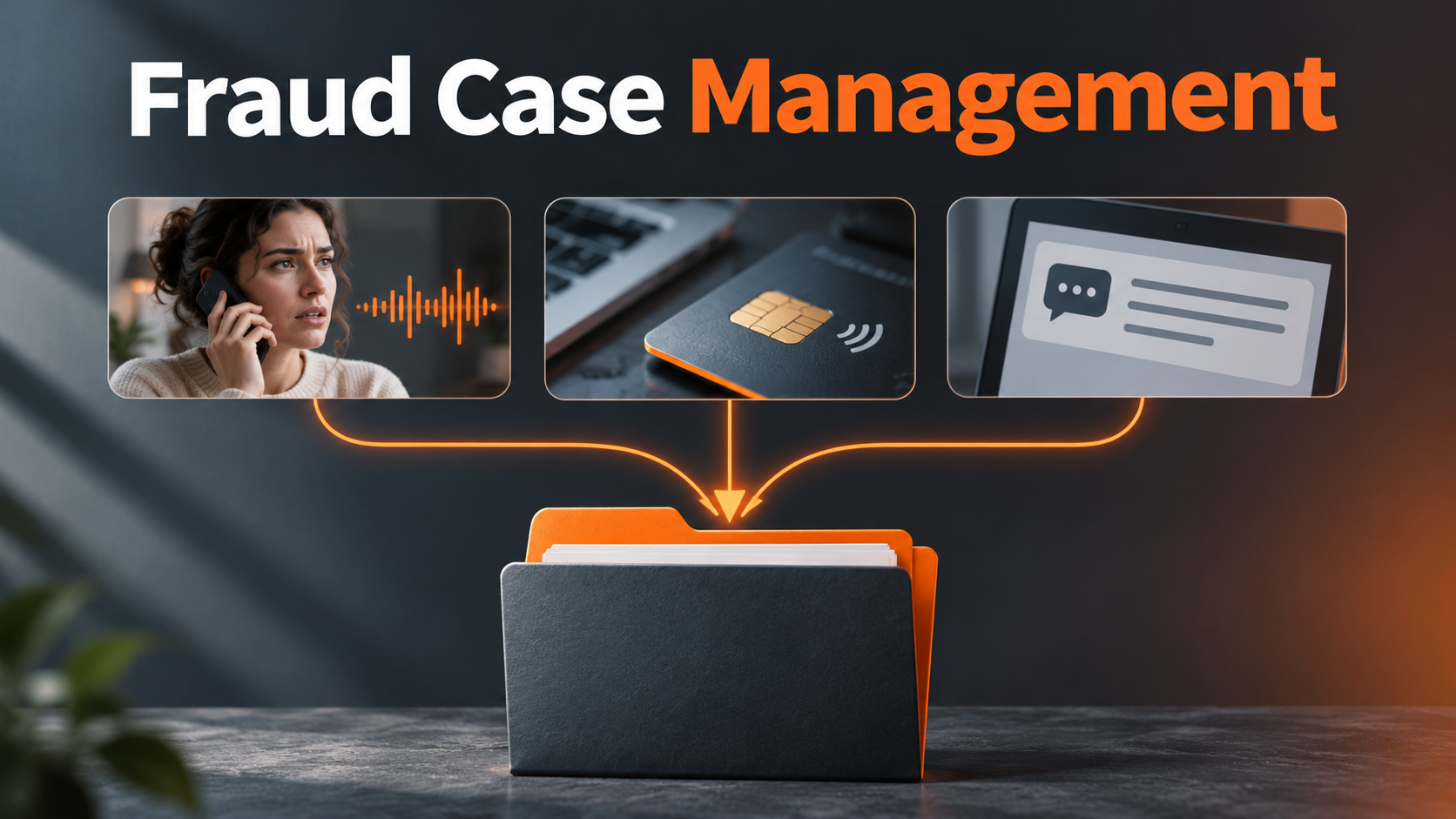
Fraud cases arrive through several channels. A customer can call support, submit a form, or respond to an alert. A detection system may flag activity before anyone contacts the firm. A partner can also report a dispute or send new evidence. Map the inputs and define which event starts the workflow, what information each channel supplies, and how the system handles repeated reports.
Use stable references to identify the account, transaction, and customer communication. A payment identifier can help link records, but several transactions can be part of one case and one transaction can be relevant to several investigations. Test a repeated customer contact that adds information to an existing case, then a similar report from a different customer that should remain distinct. Check whether the analyst can correct a mistaken link without losing the earlier history.
Design intake for people under pressure. An agent should be able to record the report promptly with the information available and indicate what needs confirmation. Requiring complete evidence before opening a case can delay action. Give the case an owner and record when the report reached the firm, even if a later review determines that another workflow applies.
Keep the timeline and its sources together
A timeline can contain the disputed transaction, earlier account activity, the customer’s report, contacts with other organizations, and changes made by staff. Each item should have a source and a meaningful time field. A case creation time describes when the record was opened. It does not necessarily describe when the customer first notified the firm or when a payment occurred.
Distinguish original evidence from an analyst’s interpretation. A transaction record may establish that an instruction was processed. A support note may record what a customer says happened. An investigator can use both, while the record should make clear what each source supports. Check whether edits to notes are tracked and whether attachments retain their origins when the firm exports the case.
Run a case in which a payment record is corrected after an initial review. Observe whether the correction updates the timeline and alerts the owner. Give another reviewer the case export and ask them to explain which facts were known at the earlier decision. The export should preserve enough detail to support that review without exposing unrelated customer information.
Make deadlines follow the right workflow
A fraud investigation, consumer error resolution, and a card network dispute can overlap. Each can have its own starting event, requirements, and deadlines. The case system should represent those workflows without forcing one deadline to stand in for all of them. Assign responsibility for each and link them through a common transaction reference.
For covered U.S. electronic fund transfer errors, CFPB Regulation E § 1005.11 addresses error-resolution procedures. The product team needs to determine which transactions and reports fall under its applicable rules and configure deadlines accordingly. Use a realistic example that begins with a customer report, receives additional evidence, and reaches a decision. Test whether the system can show why a deadline applied and whether any actions changed the schedule.
Inspect how the platform handles overdue work. A reminder in an individual mailbox can be missed during an absence. Supervisors need visibility into ownership, outstanding evidence, the next required action, and the age of unresolved cases. A transfer between teams should preserve those details. Ask what happens when an integration fails while cases continue arriving.
Reconcile actions outside the case tool
An investigator may ask another service to restrict an account, attempt a payment recall, issue a credit, or send a customer communication. A case status that says “requested” gives different information from one that says “completed.” Verify how the tool records both states and how staff investigate an action that remains pending.
Test duplicate delivery and retries. An integration may send a confirmation twice or fail just after the receiving system acts. The case worker should be able to distinguish a retry from a new action and verify the result against the system that owns the transaction or account state. This matters most for irreversible or financially material actions. Identify which actions require approval, who can approve them, and what evidence the case should keep.
Fraud staff may also work with teams responsible for legal review, compliance reporting, or customer remediation. Those teams need different levels of access. Check whether the case manager can share the relevant evidence with each team while limiting access to unrelated records. Review exported attachments and notifications as part of the same test.
Choose a deployment the team can operate
A general workflow platform can be a reasonable option for a smaller team with straightforward case types and existing integrations. It requires someone to maintain data definitions, permissions, deadlines, and audit records. A specialist fraud operations platform may offer stronger links to payment and detection systems. Verify those connections using your transaction types and controls. A product that links well to one processor can still require significant work for another.
Estimate the cost with the team that will operate the system. Include analyst licenses, integrations, historical migration, evidence retention, and any charges tied to case or transaction volume. Test the import of a closed case and one with an active deadline. Review whether the firm can preserve the original notification date and supporting evidence without creating a misleading new case history.
The deciding exercise should include an ambiguous report, an external action, and a correction. Have a support agent take the report, an investigator build the timeline, a supervisor review the decision, and an operations specialist reconcile the result. When those people can follow the same evidence and identify who owns the next action, the platform is helping the firm manage the case as one piece of work.