Introduction
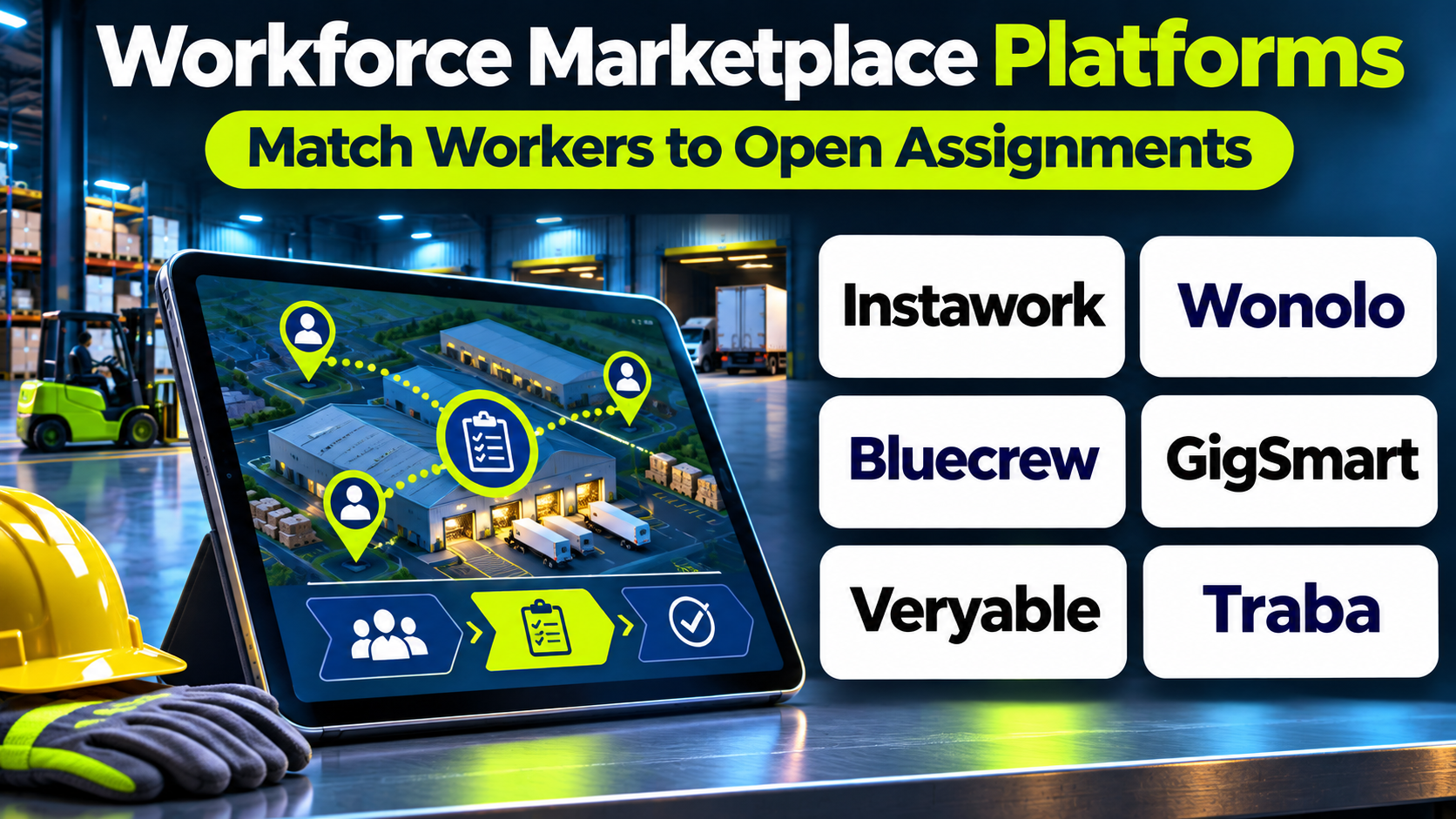
Organizations increasingly need flexible ways to connect available talent with changing business requirements.
Traditional workforce planning often relies on fixed job descriptions, departmental boundaries, and lengthy recruitment processes. These approaches can make it difficult to identify employees with relevant skills, assign specialists to temporary projects, or respond quickly to fluctuating staffing demand.
Workforce marketplace platforms address these challenges by connecting people with employment opportunities, projects, assignments, and career development activities.
Some platforms operate as internal talent marketplaces, helping companies match existing employees with projects and career opportunities.
Others support external workforce sourcing by connecting organizations with temporary workers, independent professionals, or staffing suppliers.
Although these models differ, they share a common objective: improving how organizations discover, allocate, and engage available talent.
The right platform can help businesses improve workforce visibility, increase internal mobility, support skills development, and reduce unnecessary recruitment activity.
However, choosing a solution requires careful consideration of workforce structure, integration requirements, matching capabilities, data governance, and operational goals.
This guide examines ten workforce marketplace platforms and explains how organizations can select technology suited to their talent and staffing strategies.
What Are Workforce Marketplace Platforms?
Workforce marketplace platforms are digital systems that connect available workers or employee capabilities with relevant work opportunities.
These opportunities may include permanent roles, temporary assignments, internal projects, mentoring, skills development, or external staffing engagements.
The precise functionality depends on the marketplace model.
Main Types of Workforce Marketplace Platforms
Internal talent marketplaces: Connect existing employees with internal vacancies, projects, mentors, and career opportunities.
Skills-based workforce marketplaces: Use skills profiles and matching technology to identify suitable people for specific work.
External talent marketplaces: Connect organizations with independent professionals or temporary workers.
Enterprise workforce marketplaces: Combine workforce visibility, internal mobility, talent development, and staffing requirements.
On-demand workforce marketplaces: Help organizations access workers for short-term assignments or fluctuating operational needs.
How Workforce Marketplace Platforms Work
A typical internal marketplace follows these steps:
- Employees create or update profiles containing their skills, experience, and interests.
- Managers publish projects, assignments, or internal opportunities.
- The platform identifies potential matches based on relevant information.
- Employees explore opportunities and express interest.
- Managers evaluate suitability and approve participation.
- Assignments begin according to organizational policies.
- Completed work and newly developed skills inform future matching.
External marketplaces use a different process involving worker registration, employer requests, availability, selection, and engagement administration.
Benefits of Workforce Marketplace Platforms
Better workforce visibility: Organizations gain a clearer understanding of available skills and talent capacity.
Improved internal mobility: Employees can discover opportunities beyond their current departments.
More flexible staffing: Managers can find suitable workers for temporary or specialized assignments.
Reduced unnecessary recruitment: Existing capabilities may be reused before external hiring begins.
Employee development: Project opportunities can help employees build practical experience.
Skills-based planning: Workforce decisions can reflect demonstrated capabilities rather than job titles alone.
Operational responsiveness: Organizations can respond more effectively to changing project requirements.
Top 10 Workforce Marketplace Platforms
The following solutions represent internal talent marketplaces, enterprise workforce platforms, and external workforce sourcing systems. Their suitability depends on which marketplace model an organization requires.
1. Gloat
Best For: Enterprise internal talent marketplaces and skills-based workforce allocation.
Short Description
Gloat is a talent marketplace technology provider focused on helping organizations connect employees with internal opportunities based on skills, interests, and business requirements.
Its platform is designed to support workforce agility by making employee capabilities more visible across departments.
Instead of relying exclusively on traditional reporting structures, organizations can use Gloat to identify employees who may be suitable for projects, internal positions, or development opportunities.
The platform emphasizes skills-based matching and internal mobility.
This approach is particularly relevant to large enterprises where valuable expertise may remain hidden within individual departments.
Gloat can also support broader workforce transformation initiatives by helping organizations understand how available skills relate to emerging business needs.
However, successful implementation depends on accurate employee information, organizational participation, and management support for cross-functional assignments.
Key Features
- Internal talent marketplace: Connects employees with relevant organizational opportunities.
- Skills-based matching: Identifies potential matches using employee capabilities and opportunity requirements.
- Project opportunities: Helps managers find employees for temporary assignments.
- Internal mobility: Supports employee discovery of roles beyond current departments.
- Skills visibility: Provides a more structured understanding of workforce capabilities.
- Career development: Connects employees with experiences that may support professional growth.
- Workforce insights: Helps organizations examine talent availability and skills distribution.
- Enterprise integration: Supports connections with relevant HR and workforce systems.
- Opportunity recommendations: Helps surface potentially relevant assignments to employees.
Benefits
Gloat can help enterprises make better use of existing talent.
Employees gain visibility into opportunities that might otherwise remain limited to informal networks.
Managers can discover capabilities across organizational boundaries, potentially reducing delays associated with external recruitment.
Pros
- Strong internal talent marketplace focus.
- Skills-based opportunity matching.
- Supports cross-functional assignments.
- Relevant to enterprise workforce transformation.
- Improves visibility into employee capabilities.
- Encourages internal career development.
Cons
- Requires reliable employee skills data.
- Implementation can involve organizational change.
- Managers must support employee mobility.
- May be excessive for small organizations.
- Enterprise integration and governance require planning.
Use Cases
Cross-functional project staffing: A company can identify employees with relevant skills from multiple departments.
Internal career mobility: Employees can explore opportunities aligned with their professional interests.
Skills-based workforce planning: HR teams can analyze capabilities and identify potential talent gaps.
Best Suited For: Large enterprises seeking to improve internal talent mobility and workforce agility.
2. Eightfold AI
Best For: AI-assisted talent matching, workforce intelligence, and internal mobility.
Short Description
Eightfold AI provides an AI-powered talent intelligence platform designed to support recruiting, workforce development, and internal talent mobility.
Its technology uses talent information to help organizations understand workforce capabilities and identify potentially relevant opportunities.
Eightfold AI is particularly relevant to enterprises seeking to connect talent acquisition with employee development and workforce planning.
Its talent management capabilities can help employees discover internal roles and career pathways while giving organizations better insight into available skills.
The platform also supports broader talent intelligence use cases beyond internal marketplaces.
This makes it suitable for organizations seeking an integrated approach to recruiting and workforce development.
However, AI-assisted matching requires careful oversight. Organizations should evaluate data quality, explainability, privacy, and fairness before relying on automated recommendations.
Key Features
- AI-assisted talent matching: Helps connect people with relevant roles and opportunities.
- Skills intelligence: Supports analysis of employee capabilities.
- Internal mobility: Helps employees discover organizational opportunities.
- Career recommendations: Suggests potential professional development directions.
- Talent acquisition capabilities: Connects workforce intelligence with recruitment activities.
- Workforce analytics: Provides insights into skills and talent distribution.
- Talent development support: Helps identify relevant learning and career opportunities.
- Enterprise integrations: Supports connections with HR technology environments.
- Talent intelligence: Helps organizations analyze workforce capabilities and requirements.
Benefits
Eightfold AI can help organizations make workforce decisions using more comprehensive talent information.
Its integrated approach supports both existing employee development and future hiring strategies.
Pros
- Broad talent intelligence capabilities.
- AI-assisted opportunity matching.
- Supports internal mobility.
- Connects recruiting and workforce development.
- Useful enterprise workforce analytics.
- Relevant to skills-based talent strategies.
Cons
- Implementation requires data governance.
- AI recommendations require human oversight.
- Enterprise configuration may be complex.
- Commercial costs depend on product scope.
- Data completeness influences matching quality.
Use Cases
Enterprise workforce planning: HR teams can identify skills relevant to future organizational needs.
Internal role matching: Employees can discover opportunities aligned with their experience.
Talent development: Organizations can connect skills gaps with development pathways.
Best Suited For: Enterprises seeking integrated talent intelligence, recruiting, and internal mobility capabilities.
3. Fuel50
Best For: Employee career development and internal talent mobility.
Short Description
Fuel50 is a talent marketplace and career development platform designed to help organizations connect employees with internal opportunities.
Its approach emphasizes employee aspirations, skills, career pathways, and professional development.
Fuel50 is particularly useful for businesses that want to improve retention by helping employees understand how they can grow within the organization.
Employees can explore potential career directions and identify opportunities to develop relevant capabilities.
Managers and HR teams can use talent information to support workforce mobility and development planning.
The platform’s career-focused approach distinguishes it from external staffing marketplaces.
However, successful adoption requires employees to participate actively and managers to support career movement across teams.
Key Features
- Internal talent marketplace: Connects employees with organizational opportunities.
- Career pathway exploration: Helps employees understand potential career directions.
- Skills profiles: Organizes information about workforce capabilities.
- Opportunity matching: Recommends potentially relevant roles and projects.
- Career development planning: Supports structured employee growth.
- Talent mobility: Helps employees move between internal opportunities.
- Skills gap visibility: Identifies capabilities relevant to future roles.
- Workforce insights: Supports HR analysis of talent development needs.
- Employee engagement: Encourages participation in career planning.
Benefits
Fuel50 can help organizations make internal career development more transparent.
Employees gain greater visibility into potential opportunities without necessarily leaving their employer.
Pros
- Strong career development orientation.
- Supports employee retention initiatives.
- Skills-based internal mobility.
- Useful career pathway tools.
- Encourages employee participation.
- Relevant to talent development programs.
Cons
- Requires sustained employee engagement.
- Managers must support internal movement.
- Less relevant to external temporary staffing.
- Implementation depends on HR data quality.
- May require substantial change management.
Use Cases
Employee retention: Organizations can provide visible internal career opportunities.
Career development programs: HR teams can help employees identify relevant skills.
Internal project matching: Managers can discover employees interested in cross-functional work.
Best Suited For: Organizations prioritizing career development, internal mobility, and employee growth.
4. Workday Talent Marketplace
Best For: Organizations seeking internal opportunities within a broader Workday HR environment.
Short Description
Workday provides enterprise human capital management technology with capabilities for talent development, skills management, and internal opportunity discovery.
Its talent marketplace-related functionality helps organizations connect employees with relevant internal experiences and development opportunities.
Workday is especially relevant to companies already using its human capital management ecosystem.
A major advantage is the potential to connect employee records, skills information, workforce planning, and talent processes within a broader enterprise environment.
Organizations can use these capabilities to improve internal mobility and support skills-based development.
However, specific marketplace functionality depends on the organization’s Workday products, configuration, and implementation.
Businesses should verify available capabilities rather than assume every Workday subscription includes the same talent marketplace features.
Key Features
- Internal opportunity discovery: Helps employees explore relevant organizational opportunities.
- Skills information: Supports structured workforce capability data.
- Talent management integration: Connects opportunities with broader HR processes.
- Career development support: Helps employees identify growth opportunities.
- Employee profiles: Uses workforce information to support talent processes.
- Workforce analytics: Provides insight into employee and organizational data.
- Learning integration: Connects development activities with available learning capabilities.
- Enterprise workflows: Supports organizational approvals and governance.
- HR ecosystem connectivity: Reduces separation between talent and workforce administration.
Benefits
Workday can provide a more connected talent management experience for organizations already using its HR platform.
This can reduce the need to maintain completely separate employee records and talent processes.
Pros
- Strong enterprise HR ecosystem.
- Connects workforce and talent information.
- Supports internal development initiatives.
- Relevant to existing Workday customers.
- Enterprise reporting capabilities.
- Potentially reduces fragmented HR processes.
Cons
- Marketplace functionality depends on product configuration.
- Implementation can be complex.
- Less appropriate for small organizations.
- Requires accurate employee information.
- External workforce marketplace capabilities are not its primary focus.
Use Cases
Internal career opportunities: Employees can explore roles and development options.
Skills-based workforce planning: HR teams can connect employee capabilities with organizational requirements.
Enterprise talent development: Companies can coordinate learning and mobility programs.
Best Suited For: Enterprises already invested in the Workday ecosystem.
5. SAP SuccessFactors Opportunity Marketplace
Best For: Internal assignments and employee development within SAP HR environments.
Short Description
SAP SuccessFactors Opportunity Marketplace is designed to connect employees with internal opportunities that support skills development and organizational mobility.
It operates within the broader SAP SuccessFactors talent management environment.
The platform helps organizations make projects, assignments, and other development experiences more visible to employees.
This can be valuable in large companies where professional opportunities are often restricted by departmental boundaries.
SAP SuccessFactors Opportunity Marketplace supports a more flexible approach to workforce development by helping employees discover experiences relevant to their interests and capabilities.
Its integration with the wider SAP SuccessFactors ecosystem is a key consideration for organizations already using SAP HR technology.
However, implementation requires attention to opportunity governance, employee participation, and existing talent management processes.
Key Features
- Internal opportunity marketplace: Presents development and work opportunities.
- Assignment discovery: Helps employees identify relevant internal projects.
- Skills-based recommendations: Supports matching opportunities with employee capabilities.
- Career development: Encourages practical learning experiences.
- Employee profiles: Uses relevant talent information.
- HR ecosystem integration: Connects marketplace activities with SAP SuccessFactors processes.
- Opportunity administration: Supports management of available assignments.
- Workforce development visibility: Helps HR teams understand participation.
- Employee engagement: Encourages exploration of internal opportunities.
Benefits
The platform can help organizations create more transparent internal development opportunities.
Employees can build experience through assignments that may not require permanent role changes.
Pros
- Integrated with SAP SuccessFactors.
- Supports internal development opportunities.
- Encourages skills-based assignments.
- Relevant to large enterprises.
- Helps increase internal mobility.
- Supports employee growth initiatives.
Cons
- Primarily suitable for SAP-oriented environments.
- Requires opportunity governance.
- Employee participation affects value.
- Configuration and integration may require expertise.
- Not designed primarily for external staffing marketplaces.
Use Cases
Temporary internal projects: Managers can advertise assignments to employees across departments.
Skills development: Employees can gain experience outside their usual responsibilities.
Enterprise talent mobility: HR teams can support cross-functional development.
Best Suited For: SAP SuccessFactors customers seeking structured internal opportunity programs.
6. 365Talents
Best For: Skills intelligence and internal talent opportunity matching.
Short Description
365Talents is a skills-focused talent management platform designed to help organizations understand workforce capabilities and connect employees with relevant opportunities.
Its approach emphasizes skills visibility and internal talent mobility.
Organizations can use the platform to identify employees with particular capabilities and explore how those skills align with business requirements.
The platform is relevant to companies transitioning from job-title-based workforce management toward skills-based talent strategies.
Employees may benefit from greater visibility into projects, roles, and development opportunities.
However, organizations must establish appropriate data governance and ensure that skills information remains accurate.
Key Features
- Skills intelligence: Helps identify workforce capabilities.
- Employee skills profiles: Organizes relevant professional information.
- Internal opportunity matching: Connects employees with suitable assignments.
- Talent mobility: Supports movement across organizational roles and projects.
- Skills gap analysis: Helps identify missing capabilities.
- Career development insights: Supports employee growth planning.
- Workforce analytics: Provides visibility into talent distribution.
- HR integrations: Connects with relevant enterprise systems.
- Skills-based planning: Supports workforce decisions beyond traditional job titles.
Benefits
365Talents can help organizations discover capabilities that are not immediately visible through formal job descriptions.
This can improve project staffing and support long-term workforce development.
Pros
- Strong skills-based focus.
- Supports internal mobility.
- Useful workforce capability insights.
- Relevant to talent transformation initiatives.
- Helps identify hidden employee expertise.
- Supports development planning.
Cons
- Matching depends on data quality.
- Skills frameworks require governance.
- Adoption requires employee participation.
- Implementation may involve HR process changes.
- Not primarily an external staffing platform.
Use Cases
Skills inventory: HR teams can map employee capabilities.
Internal project staffing: Managers can identify suitable employees.
Workforce transformation: Organizations can plan development around emerging skill requirements.
Best Suited For: Enterprises pursuing skills-based workforce planning and mobility.
7. Hitch
Best For: Internal project staffing and employee opportunity matching.
Short Description
Hitch is an internal talent mobility platform focused on connecting employees with projects, assignments, and organizational opportunities.
Its approach supports businesses seeking more flexible ways to allocate existing workforce capabilities.
Rather than relying solely on formal departmental structures, managers can identify employees who may contribute to projects based on their skills and interests.
This is particularly relevant to organizations with cross-functional initiatives requiring temporary expertise.
Hitch also supports employee development by making internal opportunities more accessible.
However, organizations should verify current product availability, ownership, and supported capabilities before selecting it, particularly where procurement requires a long-term platform commitment.
Key Features
- Internal project marketplace: Connects employees with available assignments.
- Skills-based matching: Helps identify relevant contributors.
- Employee profiles: Presents capabilities and professional interests.
- Opportunity discovery: Allows employees to explore internal work.
- Project staffing support: Helps managers identify potential team members.
- Internal mobility: Encourages movement across organizational boundaries.
- Talent visibility: Provides information about available capabilities.
- Development opportunities: Supports experience-based professional growth.
Benefits
Hitch’s internal marketplace approach can help businesses use existing skills more effectively.
Employees may gain access to projects that provide new experiences without requiring permanent transfers.
Pros
- Focused on internal project opportunities.
- Supports flexible staffing.
- Encourages cross-functional collaboration.
- Relevant to skills-based organizations.
- Helps improve talent visibility.
Cons
- Current commercial availability requires verification.
- Internal mobility requires managerial cooperation.
- Skills data must remain accurate.
- Not intended for external staffing marketplaces.
- Enterprise integration needs should be assessed.
Use Cases
Cross-functional initiatives: Teams can find internal specialists for temporary projects.
Employee development: Workers can participate in assignments beyond their primary roles.
Workforce flexibility: Managers can identify available internal expertise.
Best Suited For: Organizations exploring project-based internal talent allocation.
8. Magnit
Best For: Enterprise external workforce sourcing and contingent labor programs.
Short Description
Magnit provides external workforce management technology and services for organizations managing contingent workers and related staffing arrangements.
Unlike internal talent marketplaces, Magnit focuses primarily on external workforce programs.
Its offerings support businesses that engage temporary workers, independent professionals, and staffing suppliers.
Magnit is particularly relevant to enterprises requiring structured sourcing, workforce oversight, supplier coordination, and expenditure visibility.
The platform’s broader workforce management capabilities can support complex staffing programs.
However, organizations seeking a lightweight internal project marketplace should evaluate more specialized internal mobility solutions.
Key Features
- External workforce management: Supports contingent labor programs.
- Talent sourcing support: Helps organizations access external workforce resources.
- Supplier coordination: Supports relationships with staffing providers.
- Workforce visibility: Centralizes external labor information.
- Engagement administration: Supports contingent worker processes.
- Spend analytics: Provides insight into external workforce costs.
- Compliance-oriented workflows: Supports consistent engagement administration.
- Enterprise reporting: Helps evaluate workforce program performance.
- Workforce program services: Supports broader external workforce operations.
Benefits
Magnit can help large organizations improve control over complex external workforce programs.
Its combination of technology and services is relevant when staffing involves multiple suppliers and business units.
Pros
- Strong external workforce focus.
- Enterprise program capabilities.
- Supplier coordination.
- Workforce spending visibility.
- Relevant to complex staffing requirements.
- Supports workforce governance.
Cons
- May be excessive for small employers.
- Implementation can be complex.
- Not primarily an internal mobility platform.
- Service arrangements require evaluation.
- Commercial costs depend on program scope.
Use Cases
Enterprise contingent staffing: Organizations can coordinate temporary workforce programs.
Supplier-based labor sourcing: Procurement teams can oversee staffing providers.
External workforce optimization: Businesses can analyze staffing activity and costs.
Best Suited For: Enterprises managing substantial external workforce programs.
9. Instawork
Best For: On-demand hourly workforce sourcing.
Short Description
Instawork is a flexible staffing marketplace connecting businesses with workers for hourly and shift-based assignments.
Its marketplace is relevant to industries such as hospitality, events, warehousing, and other operational environments requiring flexible labor.
Businesses can request staffing support for specific shifts or operational needs.
Workers use the platform to discover available opportunities and participate according to applicable eligibility and marketplace requirements.
Instawork differs from internal talent marketplaces because it focuses on connecting businesses with an external worker network.
Its value is particularly evident when staffing demand changes frequently.
However, organizations must evaluate local market coverage, worker availability, assignment requirements, and total staffing costs.
Key Features
- On-demand worker marketplace: Connects businesses with available hourly workers.
- Shift posting: Supports requests for specific work periods.
- Worker profiles: Provides relevant information about marketplace participants.
- Availability-based matching: Helps connect workers with suitable assignments.
- Operational staffing: Supports short-term workforce requirements.
- Assignment coordination: Organizes scheduled work.
- Workforce visibility: Helps businesses review staffing activity.
- Payment-related administration: Supports marketplace compensation workflows.
- Business staffing tools: Helps organizations manage flexible labor requests.
Benefits
Instawork can help businesses respond to unexpected staffing gaps and fluctuating operational demand.
Its marketplace model reduces the need to recruit every temporary worker independently.
Pros
- Designed for flexible hourly staffing.
- Relevant to operational industries.
- Supports short-term assignments.
- Marketplace-based worker discovery.
- Useful during demand fluctuations.
- Reduces some manual sourcing effort.
Cons
- Availability varies by location.
- Not suitable for every professional category.
- Staffing costs require evaluation.
- Worker continuity may vary.
- Businesses must confirm applicable engagement responsibilities.
Use Cases
Hospitality staffing: Businesses can request workers during busy periods.
Event operations: Organizers can seek temporary staffing support.
Warehouse demand: Operations teams can address short-term labor requirements.
Best Suited For: Businesses seeking flexible external hourly workers.
10. Wonolo
Best For: Flexible labor sourcing for operational and shift-based work.
Short Description
Wonolo is an on-demand staffing platform designed to connect businesses with workers for flexible operational assignments.
Its marketplace is particularly relevant to organizations facing variable labor demand.
Businesses can use Wonolo to request workers for available assignments, while participating workers can explore relevant opportunities.
The platform focuses on operational staffing rather than corporate internal mobility.
It can support businesses that require additional workers during seasonal peaks, unexpected absences, or short-term projects.
Wonolo’s suitability depends on geographic coverage, worker availability, and the nature of the work.
Organizations should also review applicable staffing arrangements, insurance requirements, and workforce responsibilities.
Key Features
- On-demand staffing marketplace: Connects businesses with available workers.
- Work opportunity posting: Supports publication of operational assignments.
- Worker discovery: Helps businesses access flexible labor.
- Assignment scheduling: Organizes work periods.
- Worker participation workflows: Supports engagement with available assignments.
- Operational staffing support: Addresses temporary workforce requirements.
- Workforce activity visibility: Helps businesses review assignments.
- Marketplace administration: Supports coordination of staffing requests.
- Flexible labor access: Helps organizations respond to demand changes.
Benefits
Wonolo can provide an additional staffing channel for businesses with variable operational requirements.
Its marketplace approach may reduce delays associated with traditional temporary labor sourcing.
Pros
- Focused on flexible operational staffing.
- Useful for short-term assignments.
- Supports variable workforce demand.
- Marketplace-based labor discovery.
- Relevant to logistics and operational businesses.
Cons
- Geographic coverage varies.
- Worker availability is not guaranteed.
- Not designed for internal corporate talent mobility.
- Engagement costs must be assessed.
- Businesses must evaluate assignment suitability and legal requirements.
Use Cases
Distribution operations: Facilities can seek workers during demand increases.
Seasonal staffing: Businesses can supplement workforce capacity during peak periods.
Operational coverage: Organizations can address temporary labor shortages.
Best Suited For: Businesses requiring flexible external labor for operational assignments.
Workforce Marketplace Platforms Comparison Table
| Platform | Marketplace Type | Primary Strength | Best For | Main Limitation |
|---|---|---|---|---|
| Gloat | Internal talent | Skills-based opportunities | Large enterprises | Change management |
| Eightfold AI | Talent intelligence | AI-assisted matching | Enterprise HR teams | Data governance |
| Fuel50 | Internal talent | Career development | Employee mobility | Participation requirements |
| Workday | Internal opportunity ecosystem | HR integration | Workday customers | Product dependencies |
| SAP SuccessFactors | Internal opportunity marketplace | Development assignments | SAP customers | Configuration complexity |
| 365Talents | Skills marketplace | Workforce skills visibility | Skills-based organizations | Data quality |
| Hitch | Internal project marketplace | Project staffing | Cross-functional teams | Availability verification |
| Magnit | External workforce | Contingent labor management | Large enterprises | Operational complexity |
| Instawork | External hourly marketplace | On-demand staffing | Hospitality and operations | Geographic coverage |
| Wonolo | External labor marketplace | Flexible assignments | Logistics and operations | Worker availability |
How to Choose the Best Workforce Marketplace Platform
Step 1: Identify the Marketplace Model
Determine whether the organization needs internal employee mobility, external staffing, or both.
This distinction should guide the entire evaluation.
Step 2: Define Workforce Objectives
Possible goals include reducing external hiring, improving internal career opportunities, filling temporary shifts, increasing skills visibility, or improving staffing efficiency.
Select measurable objectives before reviewing products.
Step 3: Assess Matching Capabilities
Evaluate how the platform matches people with opportunities.
Consider skills, experience, availability, location, preferences, and required qualifications.
Matching recommendations should be explainable and subject to appropriate human review.
Step 4: Review Worker Profiles
The system should maintain information relevant to its marketplace model.
Internal platforms may require skills and career interests.
External staffing platforms may require availability, qualifications, and assignment eligibility.
Step 5: Evaluate Integration Requirements
Internal marketplaces often require connections with HR, learning, identity, and workforce planning systems.
External marketplaces may need scheduling, procurement, and financial integrations.
Step 6: Consider Governance
Define who can publish opportunities, approve assignments, access worker information, and make selection decisions.
Step 7: Assess Employee or Worker Experience
Participants should be able to discover opportunities easily.
Clear descriptions, transparent requirements, and convenient communication improve participation.
Step 8: Evaluate Reporting
Important measures include opportunity participation, match relevance, internal mobility, assignment completion, staffing coverage, and workforce spending.
Step 9: Compare Total Costs
Consider subscriptions, implementation, integrations, transaction fees, staffing charges, and internal administration.
Step 10: Run a Pilot
Test the platform with a defined department, location, or workforce category before expanding.
Best Workforce Marketplace Platforms by User Type
| User Type | Recommended Platform | Reason |
|---|---|---|
| Enterprise seeking internal mobility | Gloat | Skills-based talent marketplace |
| HR team seeking talent intelligence | Eightfold AI | AI-assisted workforce insights |
| Company prioritizing career growth | Fuel50 | Career development pathways |
| Workday enterprise customer | Workday | Connected HR environment |
| SAP SuccessFactors customer | SAP SuccessFactors | Internal development opportunities |
| Skills-based workforce organization | 365Talents | Skills visibility and matching |
| Cross-functional project organization | Hitch | Internal project assignments |
| Enterprise external workforce program | Magnit | Contingent workforce administration |
| Hospitality staffing team | Instawork | Flexible hourly staffing |
| Logistics operations team | Wonolo | On-demand operational labor |
Practical Example: Launching an Internal Talent Marketplace
Consider a technology company with 3,000 employees across engineering, marketing, finance, and operations.
The company frequently hires external consultants for projects even though some employees already possess relevant skills.
Step 1: Identify the Problem
HR discovers that managers have limited visibility into employee capabilities outside their departments.
Employees also report difficulty discovering internal development opportunities.
Step 2: Establish Objectives
The organization wants to increase internal project participation, improve skills visibility, and reduce unnecessary external sourcing.
Step 3: Select a Platform
The company evaluates Gloat, Fuel50, and Eightfold AI.
It prioritizes skills-based matching, internal project opportunities, and integration with existing HR systems.
Step 4: Build Employee Skills Profiles
Employees review and update relevant skills, experience, and professional interests.
HR establishes guidelines for handling personal information.
Step 5: Publish Pilot Opportunities
Five departments publish temporary projects requiring specialized expertise.
Each opportunity includes expected outcomes, time commitments, required skills, and manager approval conditions.
Step 6: Match Employees
The platform recommends potentially relevant opportunities.
Employees can express interest, while managers evaluate availability and suitability.
Step 7: Approve Assignments
Current and receiving managers coordinate workloads before assignments begin.
Step 8: Track Participation
HR measures applications, approved assignments, completed projects, and employee feedback.
Step 9: Evaluate Results
The company compares internal staffing outcomes with previous external recruitment processes.
It also examines whether employees gained useful development experience.
Step 10: Expand the Program
After refining governance and matching criteria, the company extends the marketplace to additional departments.
Expected Outcome
The organization develops a more transparent system for using internal capabilities.
Its success depends on employee participation, managerial support, accurate skills information, and practical assignment governance.
Frequently Asked Questions
1. What is a workforce marketplace platform?
A workforce marketplace platform connects workers or employees with relevant work opportunities, assignments, projects, or development experiences.
2. What is an internal talent marketplace?
An internal talent marketplace helps employees discover opportunities within their existing organization.
These may include projects, roles, mentoring, or development assignments.
3. How is a workforce marketplace different from a job board?
A job board primarily advertises employment vacancies.
A workforce marketplace may support skills matching, internal projects, temporary assignments, and broader talent allocation.
4. Which platform is best for internal mobility?
Gloat, Fuel50, Eightfold AI, and SAP SuccessFactors Opportunity Marketplace are relevant options.
Selection depends on organizational needs and existing HR systems.
5. Can workforce marketplaces reduce recruitment costs?
They may reduce unnecessary external hiring by making existing talent more visible.
Actual savings depend on workforce availability, adoption, and implementation costs.
6. Are workforce marketplaces suitable for small businesses?
Some external staffing marketplaces are suitable for smaller organizations.
Comprehensive internal talent marketplaces are generally more relevant when workforce size and complexity justify them.
7. Do workforce marketplaces use artificial intelligence?
Some platforms use AI-assisted matching and skills intelligence.
Organizations should evaluate recommendation quality, privacy, and fairness.
8. What information is needed for skills matching?
Relevant information may include professional experience, verified capabilities, certifications, interests, and opportunity requirements.
9. Can employees work on projects outside their departments?
Yes, when organizational policies and managers support cross-functional assignments.
10. Are external workforce marketplaces the same as freelance marketplaces?
They overlap, but external workforce marketplaces may emphasize hourly staffing, temporary labor, or enterprise contingent workforce programs rather than independent professional projects.
11. What integrations are important?
Common integrations include HR systems, learning platforms, scheduling tools, procurement systems, and workforce analytics.
12. How should organizations measure success?
Useful indicators include opportunity participation, assignment completion, internal mobility, staffing speed, worker satisfaction, and workforce utilization.
Final Thoughts
Workforce marketplace platforms help organizations connect talent with work more effectively.
Gloat, Fuel50, Eightfold AI, 365Talents, and Hitch emphasize internal skills and mobility.
Workday and SAP SuccessFactors provide marketplace-related capabilities within broader enterprise HR environments.
Magnit supports complex external workforce programs, while Instawork and Wonolo address flexible operational staffing.
The most important selection decision is whether the organization needs an internal talent marketplace or an external staffing marketplace.
Once that distinction is clear, businesses can evaluate matching quality, integration requirements, governance, user experience, and measurable workforce outcomes.
The right platform can improve workforce flexibility, but sustained value depends on accurate information, clear processes, and active organizational participation.