Full Fasting vs Protein-Only Eating: Which Burns Fat Faster?
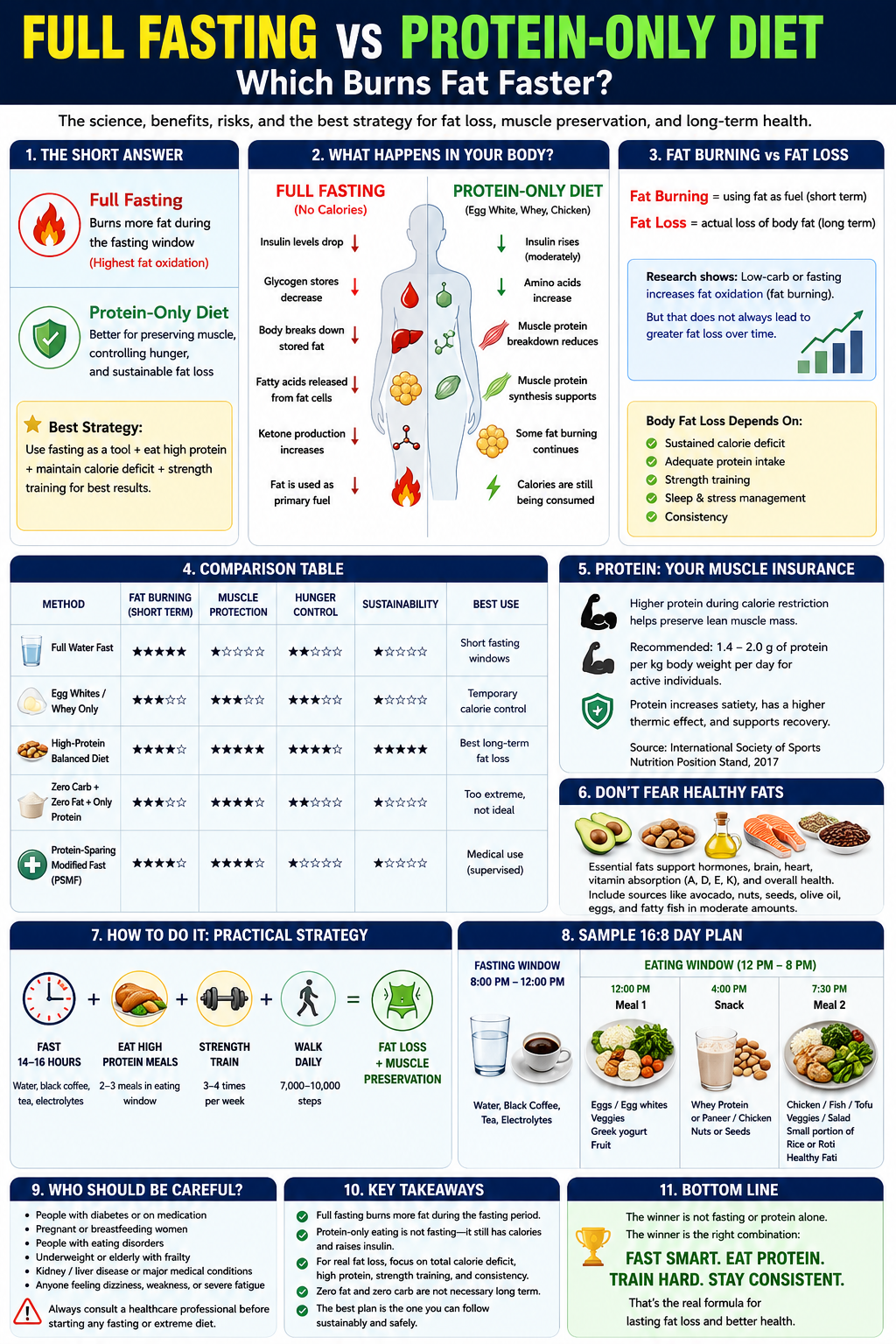
The Science-Backed Guide to Fat Burning, Fasting, Protein, Muscle Protection, and Real Fat Loss Introduction: The Big Fat-Loss Confusion One […]
The Science-Backed Guide to Fat Burning, Fasting, Protein, Muscle Protection, and Real Fat Loss Introduction: The Big Fat-Loss Confusion One […]
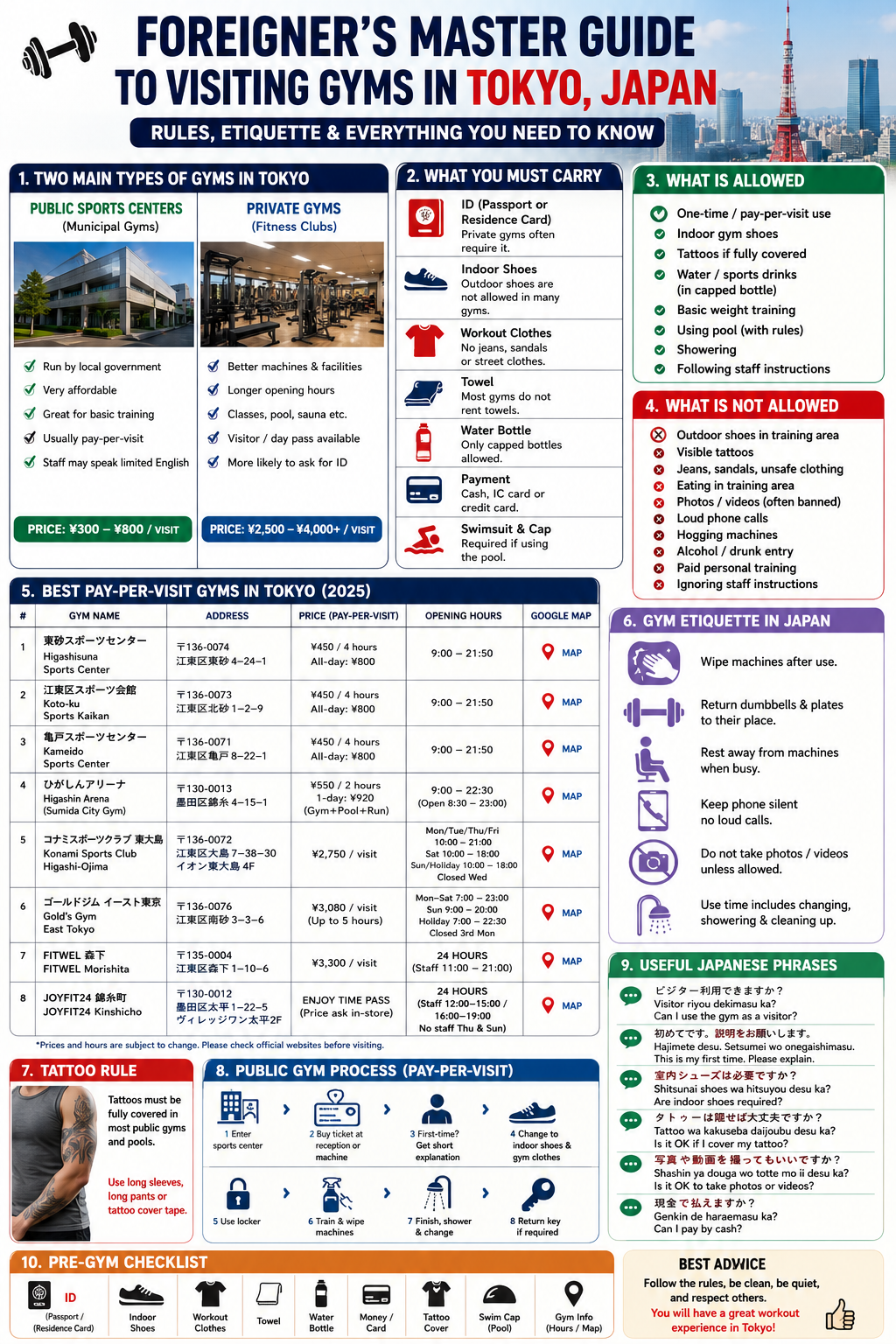
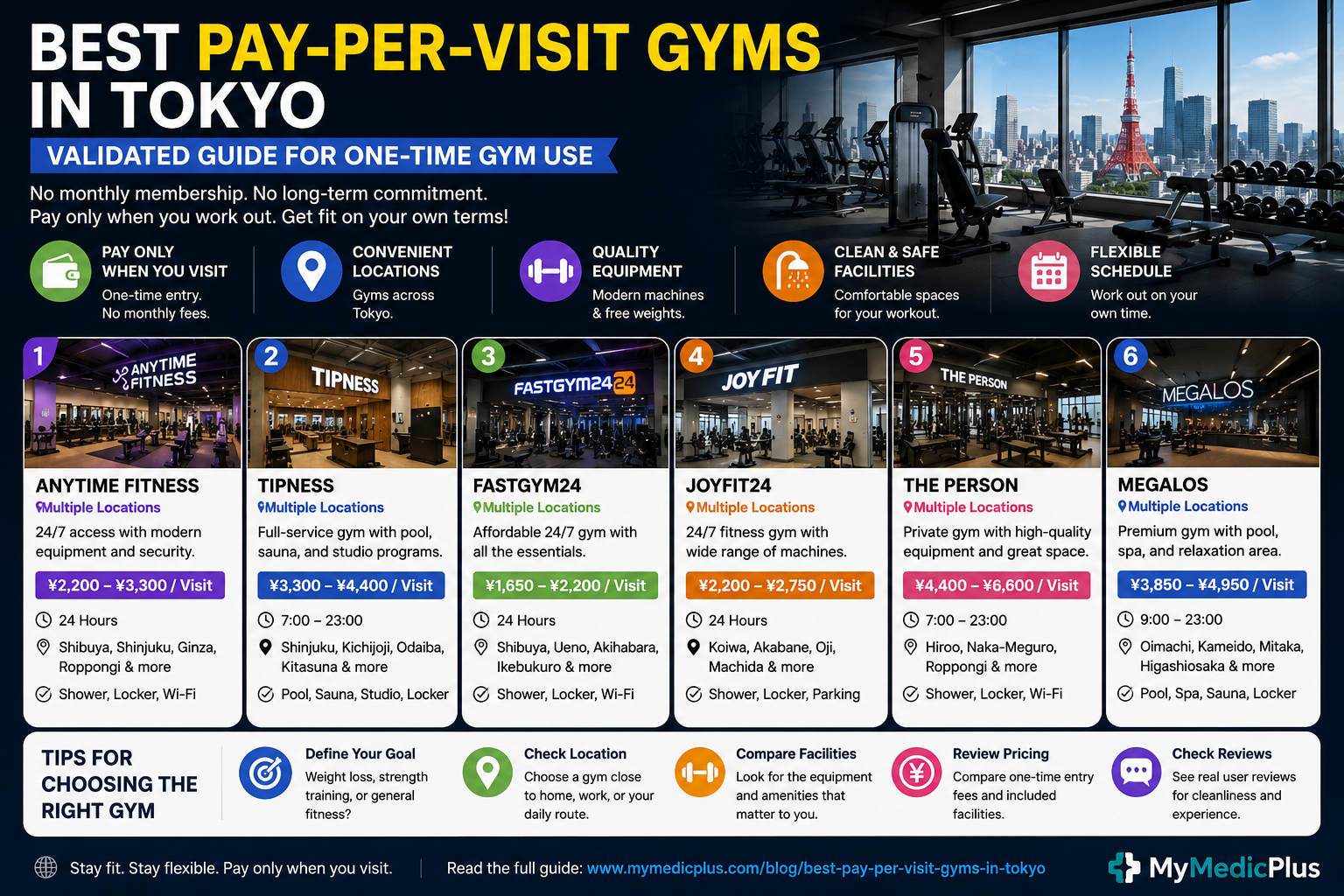
Tokyo has many excellent gyms, from cheap public sports centers to premium private gyms like Gold’s Gym and Konami Sports […]
Tokyo has two kinds of “pay-per-visit” gyms: public sports centers, which are usually the cheapest, and private gyms with visitor/day-use […]
If you live near Kitasuna 5-chome Danchi / 北砂五丁目団地, you do not need to join an expensive monthly gym immediately. […]
AI-assisted development is no longer experimental. Engineering teams are using AI tools to generate application code, unit tests, scripts, documentation, […]
Introduction Bacteriostatic water is a term many people see online when searching for “reconstitution solution,” “sterile diluent,” or “water for […]
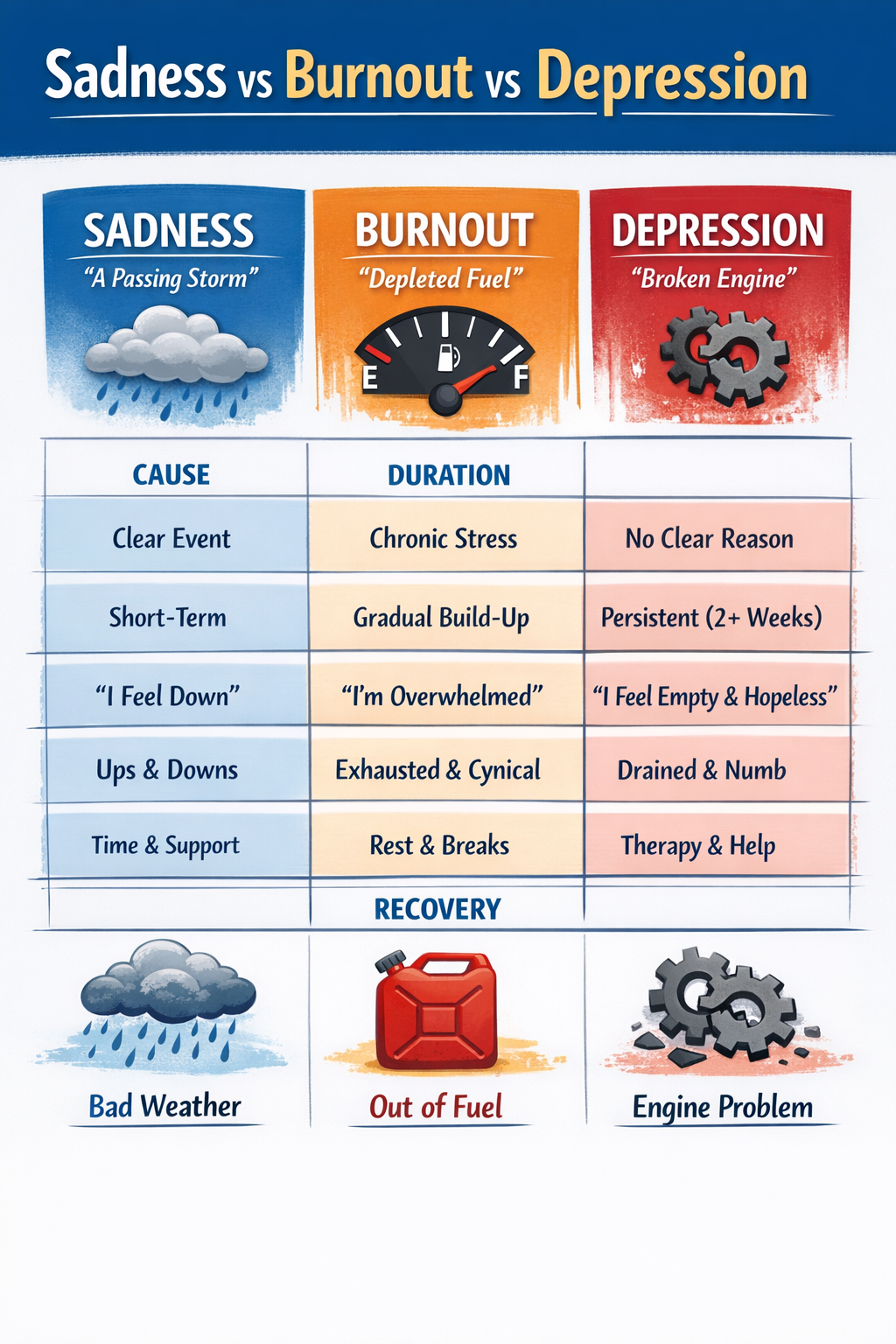
A Complete, In-Depth Blog-Style Guide 🌑 What is Depression (Brief Context) Depression (major depressive disorder and related conditions) is more […]
An Autotransfusion cell saver system is a hospital medical device used to collect a patient’s blood lost during surgery or trauma care, process it (typically by filtering, centrifugation, and washing), and return concentrated red blood cells back to the same patient. It is part of modern patient blood management and is increasingly considered essential hospital equipment in settings where significant blood loss is anticipated.
Extracorporeal membrane oxygenation ECMO system is a high-acuity, resource-intensive form of extracorporeal life support used in critical care to temporarily support gas exchange (oxygenation and carbon dioxide removal) and/or circulatory function when conventional therapies are insufficient. It is not a single part, but a complete clinical device ecosystem: a console, pump, membrane oxygenator, tubing circuit, cannulas, sensors, alarms, and the trained team and protocols required to operate it safely.
Retinoscope is a handheld ophthalmic medical device used to perform **retinoscopy**—an objective method for estimating refractive error by observing the light reflex from the patient’s retina. It remains a core piece of medical equipment in eye clinics, hospitals, and outreach programs because it can provide useful refractive information even when a patient cannot reliably answer subjective questions.
Occluder paddle is a simple, non-powered clinical device used to temporarily block vision in one eye during eye examinations and vision screening. It is widely used across ophthalmology, optometry, orthoptics, emergency care, and community screening because it helps standardize testing and reduce variability compared with “covering with a hand.”
Stereoacuity test kit is a clinical device used to assess **stereoacuity**—a practical measure of binocular depth perception based on how well the brain integrates slightly different images from each eye. In day-to-day services, this medical equipment is commonly used in eye clinics, pediatric screening pathways, orthoptic services, and broader neuro-visual evaluations because it is **non-invasive, fast, and low infrastructure** compared with many other diagnostic tools.
Color vision test plates are a widely used, low-complexity clinical device for screening how a person perceives colors under standardized viewing conditions. In hospitals and clinics, they support fast decision-making in eye care pathways, occupational health checks, pre-employment assessments, and documentation of baseline visual function where color discrimination is relevant.
Portable vision screener is a category of handheld or easily transportable medical equipment designed to rapidly screen visual function and identify patients who may need a more complete eye examination. In day-to-day hospital and clinic operations, it is commonly used to support early detection workflows (especially in pediatrics), streamline triage, and extend access to basic vision screening in settings where a full ophthalmic workup is not immediately available.
A Handheld slit lamp is a portable ophthalmic examination medical device that combines a focused “slit” of light with magnified viewing to support inspection of the eye’s front structures. Compared with a traditional tabletop slit lamp, the handheld format prioritizes mobility and bedside access—often at the cost of some stability, magnification range, and documentation features (varies by manufacturer).